
Lithium Toxicity Risk Calculator
Lithium Risk Assessment
This tool estimates how common medications may affect your lithium levels based on clinical data.
Risk Assessment Results
When lithium was first approved in 1970, doctors knew it worked wonders for bipolar disorder-but they also knew it was dangerous if the dose slipped just a little. Today, it’s still one of the most effective mood stabilizers we have, especially for preventing suicide. But here’s the problem: lithium doesn’t play nice with two of the most common medications people take every day-diuretics and NSAIDs.
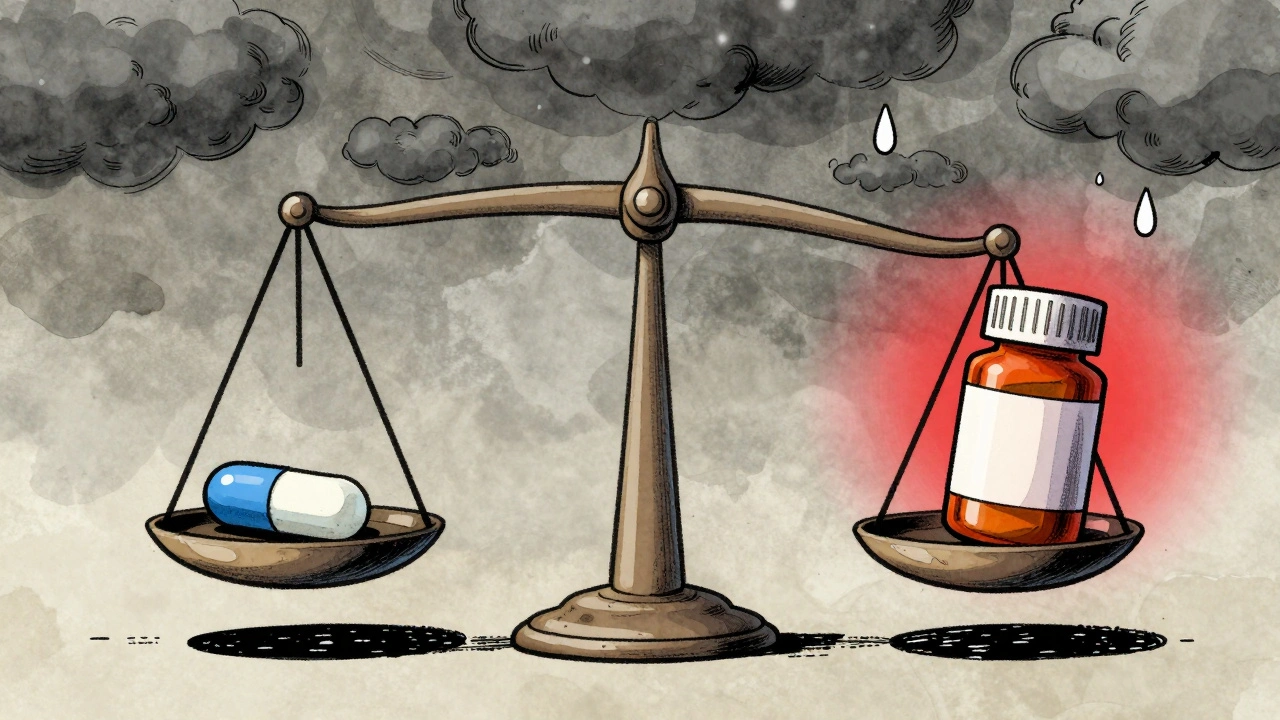
Think of lithium like a tiny, precise scale. The difference between healing and hospitalization is often less than 0.3 mmol/L in your blood. Too low? The mood swings come back. Too high? You get tremors, confusion, nausea, seizures-even death. And those common over-the-counter painkillers or water pills? They can push that scale over the edge without you even noticing.
Why Lithium Is So Fragile
Lithium isn’t broken down by your liver. It doesn’t get stored in fat. It doesn’t bind to proteins. It just floats in your blood, filtered by your kidneys, and then mostly reabsorbed back into your body. That’s why it’s so effective-but also why it’s so easy to overdose.
When your kidneys work normally, lithium levels stay steady between 0.6 and 1.2 mmol/L. That’s the sweet spot. But if your kidneys start holding onto more sodium, they also hold onto more lithium. And that’s exactly what diuretics and NSAIDs do.
Diuretics: The Silent Lithium Boosters
Diuretics-often called water pills-are prescribed for high blood pressure, heart failure, or swelling. But not all diuretics are equal when it comes to lithium.
Thiazide diuretics like hydrochlorothiazide and bendroflumethiazide are the worst offenders. They act on the part of the kidney where lithium gets reabsorbed. In studies, they can bump lithium levels up by 25% to 40%, and in some cases, even four times higher. One case in New Zealand involved a 72-year-old woman on lithium who started taking a thiazide. Her lithium level jumped from 0.8 to 1.9 mmol/L in just seven days. She didn’t survive.
Loop diuretics like furosemide are a bit safer-but still risky. They usually raise lithium levels by 10% to 25%, especially if you already have kidney problems (eGFR under 60). That’s why doctors often choose furosemide over hydrochlorothiazide if someone on lithium needs a diuretic.
Here’s the catch: these changes don’t happen slowly. Lithium levels can spike within 3 to 5 days of starting a thiazide. That’s why monitoring isn’t optional-it’s life-saving.
NSAIDs: The Over-the-Counter Trap
NSAIDs-like ibuprofen, naproxen, and aspirin-are everywhere. You grab them for headaches, back pain, or menstrual cramps without thinking twice. But if you’re on lithium, you’re playing Russian roulette.
NSAIDs block prostaglandins in the kidneys. That reduces blood flow to the filtering units, which means less lithium gets flushed out. The result? Lithium builds up. Ibuprofen at 600 mg three times a day can raise levels by 15% to 30%. Naproxen? Similar. But indomethacin? It’s the worst-up to 40% increase.
One patient in a 2013 case report took ibuprofen for a sprained ankle. Within days, his lithium level hit 2.8 mmol/L-severe toxicity. He needed dialysis. Even after his blood levels dropped, lithium stayed trapped in his brain and nerves. That’s why symptoms can keep getting worse even after stopping the NSAID.
And here’s the hidden danger: most people don’t tell their psychiatrist they’re taking Advil or Aleve. They think it’s harmless. But over-the-counter doesn’t mean safe with lithium.

Not All NSAIDs Are Created Equal
If you absolutely need an NSAID, not all are equally risky. Celecoxib (Celebrex) is the safest option among them. It raises lithium levels by only 5% to 10%, compared to 20% or more with others. That’s why guidelines now say: if you must use an NSAID, choose celecoxib.
But even celecoxib isn’t risk-free. The key isn’t just which drug you pick-it’s how you monitor.
What to Do If You’re on Lithium
Here’s the practical checklist if you take lithium:
- Never start a new medication without telling your psychiatrist. That includes vitamins, herbs, or supplements. Some, like St. John’s Wort, can also interfere.
- If you’re prescribed a diuretic or NSAID, get your lithium level checked within 5 days. Don’t wait for symptoms.
- Ask your doctor about lowering your lithium dose by 15% to 25% when starting these drugs. Many patients need it.
- Watch for early signs of toxicity: hand tremors, frequent urination, nausea, vomiting, dizziness, or slurred speech. These aren’t "just side effects"-they’re warning signals.
- Never stop lithium suddenly. If you feel off, call your doctor. Stopping abruptly can trigger a relapse or even mania.
Doctors should also check your kidney function (eGFR) and sodium levels regularly. Low sodium (hyponatremia) makes lithium toxicity worse. So if you’re sweating a lot, on a low-salt diet, or sick with vomiting or diarrhea, your risk goes up.
What Happens in Toxicity?
Lithium toxicity is graded by blood level:
- Mild: 1.5-2.0 mmol/L → nausea, tremors, mild confusion
- Moderate: 2.0-2.5 mmol/L → vomiting, drowsiness, muscle twitching, blurred vision
- Severe: 2.5+ mmol/L → seizures, coma, kidney failure, death
At severe levels, dialysis isn’t just helpful-it’s necessary. Lithium doesn’t just stay in your blood. It slips into your brain and nerves. Standard treatments won’t clear it fast enough. Multiple dialysis sessions are often needed.
And here’s the scary part: your blood level might drop after dialysis, but your brain’s lithium levels take days to catch up. That’s why people can seem fine at first-then crash hours later.

What’s New in Monitoring
Technology is catching up. In 2023, the FDA approved LithoLink™, a home-testing device that lets patients check their lithium levels with a finger prick and send results directly to their doctor. It’s still new, but it’s a big step toward catching problems before they become emergencies.
Researchers are also studying genetic differences. Some people have a version of the CYP2D6 gene that makes them process lithium slower. When they take NSAIDs, their levels rise 20-30% more than others. Personalized dosing based on genetics might be the next big thing.
Even more promising: a new nano-encapsulated form of lithium citrate is in clinical trials. Early results show it causes 40% less fluctuation in blood levels when taken with ibuprofen. That could mean fewer hospital visits and less fear.
Why This Matters
Over 750,000 Americans use lithium. It’s cheap, effective, and uniquely reduces suicide risk by 44% compared to other treatments. But it’s also one of the most dangerous drugs if not managed carefully.
Most deaths from lithium toxicity aren’t from overdoses. They’re from drug interactions-often because no one checked the levels.
The American Psychiatric Association says it plainly: avoid NSAIDs if possible. If you must use them, check lithium levels every 4-5 days. That’s not a suggestion. It’s a standard of care.
And if you’re on lithium, you’re not just taking a pill. You’re managing a delicate balance. Every new medication, every change in diet, every bout of illness-those all matter. Your doctor can’t monitor you if you don’t tell them what you’re taking.
Don’t assume your pharmacist or GP knows you’re on lithium. Don’t assume your symptoms are "just stress." Lithium toxicity doesn’t always look like a medical emergency. Sometimes, it just looks like you’re feeling "off."
Trust your body. If something feels wrong, get tested.
Can I take ibuprofen if I’m on lithium?
It’s not recommended. Ibuprofen can raise lithium levels by 15% to 30%, increasing your risk of toxicity. If you need pain relief, talk to your doctor first. Acetaminophen (paracetamol) is usually safer. If you must use ibuprofen, get your lithium level checked within 5 days and watch for symptoms like tremors, nausea, or confusion.
Which diuretic is safest with lithium?
Furosemide (Lasix) is generally safer than thiazide diuretics like hydrochlorothiazide. Thiazides increase lithium levels by 25-40% in most people, while furosemide typically raises them by 10-25%. Still, any diuretic requires close monitoring. Your doctor may lower your lithium dose and check kidney function and sodium levels regularly.
How often should lithium levels be checked when starting a new drug?
When starting an NSAID or diuretic, check lithium levels every 4-5 days for the first week, then weekly for the first month. After that, if levels are stable, you can return to the usual schedule of every 3-6 months. Never wait for symptoms-by then, it may be too late.
Can herbal supplements interact with lithium?
Yes. Many herbal products-like St. John’s Wort, ginkgo biloba, or licorice root-can affect kidney function or sodium balance, which alters lithium levels. Even "natural" doesn’t mean safe. Always tell your doctor about every supplement you take. The NHS and FDA both warn that there’s not enough data to confirm their safety with lithium.
What should I do if I think I’m experiencing lithium toxicity?
Stop taking the suspected medication (like an NSAID or diuretic) and contact your doctor immediately. If you have severe symptoms-vomiting, confusion, seizures, or difficulty speaking-go to the emergency room. Don’t wait. Lithium toxicity can progress quickly. Blood tests will confirm levels, and treatment may include IV fluids, stopping lithium, or even dialysis in severe cases.
Is lithium still worth taking given these risks?
For many people, yes. Lithium is the only mood stabilizer proven to reduce suicide risk by nearly half. It’s also effective for long-term mood stability in bipolar disorder. The risks are real, but they’re manageable with proper monitoring, communication with your care team, and avoiding high-risk drugs. For those who respond well, the benefits often outweigh the dangers-especially when care is consistent.
Final Thoughts
Lithium isn’t going away. It’s too effective, too unique, and too life-saving for too many people. But it’s not a drug you can take and forget. It demands attention-regular blood tests, honest conversations with your doctor, and caution with every new pill you pick up.
If you’re on lithium, you’re part of a group that needs to be extra careful. But you’re not alone. Thousands manage it safely every day. The difference? They know the rules. They check their levels. They ask questions. And they never assume a common medication is harmless.
Your health isn’t a guessing game. With lithium, the stakes are too high to guess.
10 Comments

Gene Linetsky
December 4, 2025 at 03:05 AM
Of course the FDA approves some fancy new gadget like LithoLink™ while Big Pharma quietly pushes NSAIDs like candy. This is all a scam to make you dependent on blood tests and expensive generics. They dont want you to know lithium is just a cheap salt that works better than any antidepressant. The real danger? The system that lets you take Advil like it’s water.

Ignacio Pacheco
December 4, 2025 at 05:36 AM
So let me get this straight. A drug that’s been around since the 70s, with a therapeutic window thinner than a razor blade, is still first-line treatment… and the solution is to just check levels more often? No wonder people get confused. Why not just develop something that doesn’t require a PhD in nephrology to use safely?

Jim Schultz
December 5, 2025 at 16:41 PM
Let’s be real-this isn’t about lithium. This is about lazy prescribing. Doctors hand out hydrochlorothiazide like it’s candy, and patients don’t even know they’re on lithium. And then? They blame the patient for ‘noncompliance’ when they end up in the ER. This is systemic negligence. If you’re prescribing lithium, you’re responsible for knowing what interacts with it. Period. End of story.

Kidar Saleh
December 7, 2025 at 08:41 AM
I’ve been on lithium for 14 years in the UK. The NHS mandates monthly blood tests and a mandatory pharmacist review when any new med is added. No exceptions. It’s not complicated. It’s just basic care. We don’t treat mental health like a side hustle here. You don’t get to be casual with a drug that can kill you in a week. This isn’t science fiction-it’s standard practice in civilized countries.

Chloe Madison
December 8, 2025 at 18:19 PM
Thank you for writing this with such clarity. I’ve been on lithium for 8 years and I’ve never once had a doctor explain the NSAID risk to me. I thought Tylenol was the only safe option. I’m sharing this with my entire support group. You’ve saved lives today. Seriously.

Vincent Soldja
December 9, 2025 at 18:04 PM
So the takeaway is avoid NSAIDs and diuretics. Done.

Makenzie Keely
December 11, 2025 at 15:09 PM
Just a quick note: if you’re on lithium and you’re feeling even slightly off-tremors, nausea, dizziness-don’t wait. Don’t think it’s "just a bug." Don’t wait until tomorrow. Call your doctor TODAY. Lithium toxicity doesn’t wait. It doesn’t care if you’re busy. It doesn’t care if you’re "just tired." Your brain is literally drowning in salt. Get tested. Now.

Francine Phillips
December 12, 2025 at 13:25 PM
i read this and thought about my cousin who died last year. they said it was "natural causes" but they never tested lithium. she was on hctz for hypertension and had been on lithium for 5 years. i wonder.

Katherine Gianelli
December 13, 2025 at 16:37 PM
My therapist told me to stop taking ibuprofen cold turkey and switch to turmeric and heat wraps. I thought she was nuts. But then I remembered my tremors vanished in two days. I didn’t know it was lithium until I googled it. Now I carry a card in my wallet that says "LITHIUM PATIENT - AVOID NSAIDS AND DIURETICS." My grandma calls it my "superhero ID." I don’t care how silly it looks. I’m alive because I didn’t guess.
parth pandya
December 2, 2025 at 18:59 PM
Man i just started lithium last month and didnt know about this at all. Took ibuprofen for my back last week and felt weirdly off but thought it was just stress. Gonna get my levels checked tomorrow. Thanks for the heads up, this couldve been bad.