Generic Manufacturing: How Affordable Medicines Are Made and Why It Matters
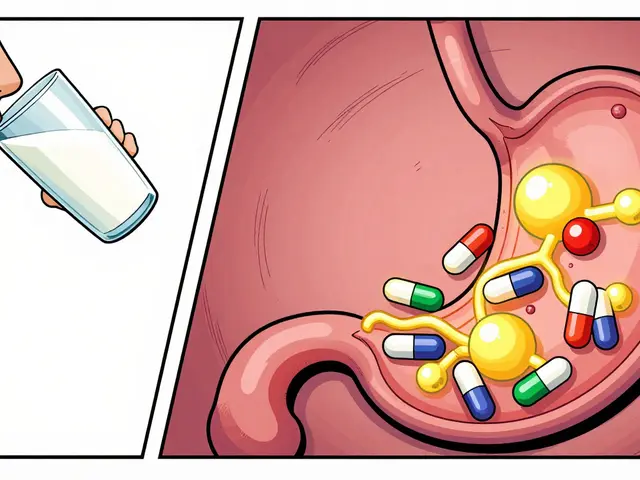
When you pick up a generic pill at the pharmacy, you’re holding a product shaped by generic manufacturing, the process of producing chemically identical versions of brand-name drugs after patents expire. Also known as follow-on drugs, this system lets millions save money without sacrificing safety or effectiveness. It’s not just copying pills—it’s a tightly controlled science that ensures every batch matches the original in strength, purity, and how your body absorbs it.
The foundation for all this? The Hatch-Waxman Amendments, a 1984 law that created the legal pathway for generic drugs to enter the U.S. market without repeating expensive clinical trials. Before this, generic makers had to prove safety from scratch—something only big companies could afford. Hatch-Waxman changed that by letting generics prove bioequivalence, the scientific proof that a generic drug performs the same way in the body as the brand-name version. Today, 9 out of 10 prescriptions filled in the U.S. are generics, and that’s thanks to this system.
But not all drugs are created equal when it comes to manufacturing. For drugs with a narrow therapeutic index, medicines where tiny differences in dosage can cause serious harm, like warfarin or lithium, regulators demand even stricter standards. The FDA and EMA require tighter bioequivalence ranges—sometimes within 90–111% instead of the usual 80–125%. This isn’t about fear—it’s about precision. One percent too much or too little can mean a clot or a bleed. That’s why you won’t find just any generic for these drugs; only those that pass the toughest tests make it to shelves.
And it’s not just the chemistry. The whole FDA drug regulation, the framework that oversees drug safety from factory to pharmacy plays a role. Manufacturing sites—whether in the U.S., India, or elsewhere—are inspected regularly. Facilities must follow Current Good Manufacturing Practices (cGMP), which cover everything from clean rooms to worker training to how ingredients are mixed. A single violation can halt production. That’s why your generic pill isn’t a gamble—it’s a regulated product.
Some people still worry that generics are "lesser." But the truth? They’re made with the same active ingredients, in the same quality-controlled environments, and tested just as hard. The only real difference? The price. And that’s not by accident. It’s the result of smart policy, strict oversight, and a system built to put health within reach.
Below, you’ll find real-world examples of how this system works—from the legal rules that made generics possible to the specific drugs where bioequivalence matters most. Whether you’re taking blood thinners, seizure meds, or heart pills, knowing how they’re made helps you trust them more.
Future of Global Generic Markets: Key Predictions and Trends Through 2030
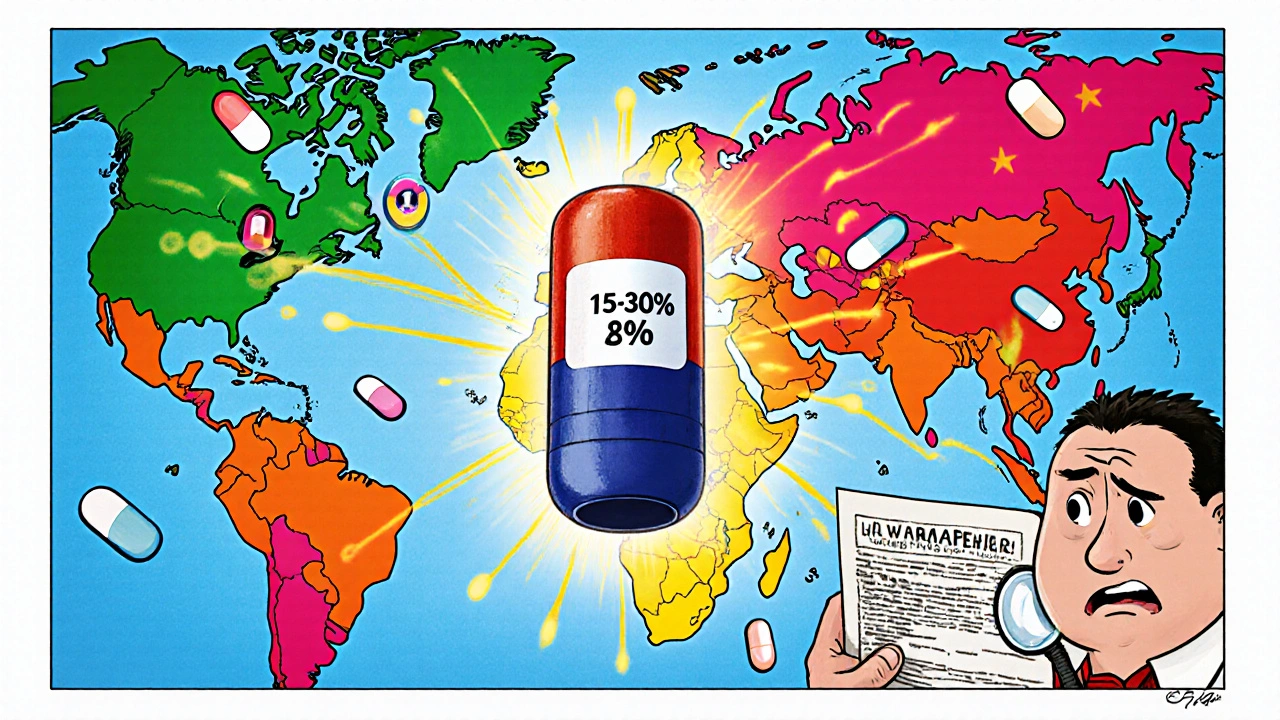
The global generic drugs market is growing rapidly, driven by cost pressures and chronic disease trends. Key trends include the rise of biosimilars, expansion in pharmerging markets, supply chain risks, and tightening regulations through 2030.
View More