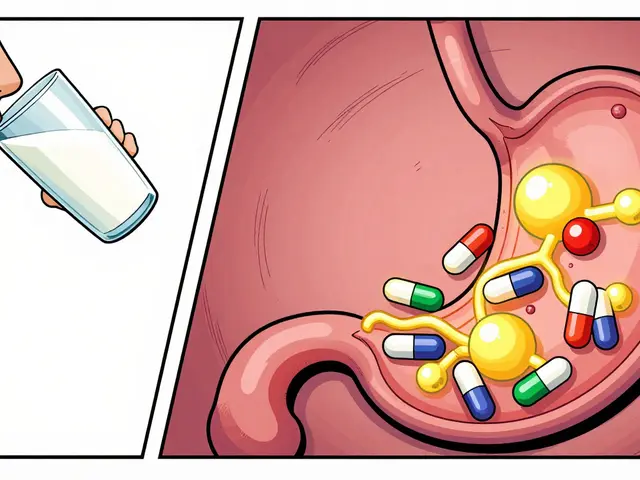
When Do Side Effects Start? Timing, Triggers, and What to Expect
When you start a new medication, your body doesn’t just sit still—it reacts. Side effects, unintended physical or mental responses to a drug that aren’t the main purpose of treatment. Also known as adverse drug reactions, they can show up in minutes or months, and knowing when to expect them helps you stay in control. Some people feel dizzy or nauseous within hours of taking a pill. Others don’t notice anything until weeks later. It’s not random—it’s biology. The timing depends on how your body absorbs, processes, and clears the drug, plus your age, liver function, and even what else you’re taking.
For example, antidepressants, medications used to treat depression and anxiety often take 2 to 6 weeks to improve mood, but side effects like nausea, insomnia, or sexual dysfunction can appear in the first few days. That doesn’t mean the drug isn’t working—it means your body is adjusting. With statins, cholesterol-lowering drugs, muscle pain might not show up until after a few weeks of daily use, and sometimes not until you’ve been on it for months. Meanwhile, anticholinergics, drugs that block acetylcholine and are used for overactive bladder, allergies, or sleep, can slowly chip away at memory over years, even if you never feel anything unusual at first.
It’s not just about the drug itself. Your diet, other medications, and even genetics play a role. Taking a blood thinner, medication that reduces clotting to prevent strokes or clots with ibuprofen? That raises bleeding risk fast—sometimes within hours. A DMARD, disease-modifying antirheumatic drug used for autoimmune conditions like rheumatoid arthritis might take weeks to calm inflammation, but liver stress or low white blood cell counts can show up early in blood tests. And if you’re on mood stabilizers, drugs like lithium or valproate used for bipolar disorder, even small changes in salt intake or hydration can push levels into dangerous territory within days.
There’s no universal clock for side effects. Some hit hard and fast. Others creep in like a slow leak. What matters isn’t just when they start—but whether they’re warning signs or just noise. If you feel worse after starting a new pill, don’t assume it’s "just part of the process." Track it. Note the day, the symptom, and what else you took. That’s how you tell if it’s a normal adjustment or something that needs a doctor’s attention. The posts below break down real cases: from the first 24 hours of an antidepressant to the silent damage of long-term anticholinergic use. You’ll find what to watch for, when to worry, and how to respond before things get serious.
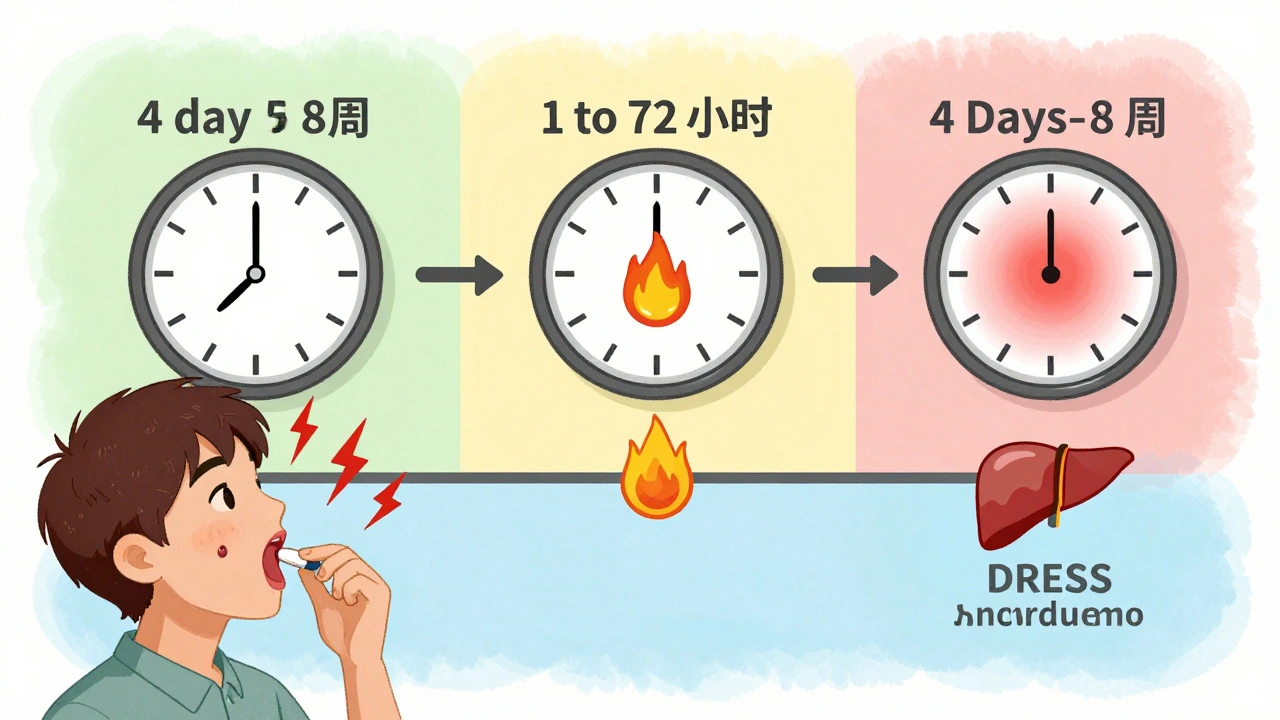
Timeline for Medication Side Effects: When Drug Reactions Typically Appear
Learn when side effects from medications typically appear-from minutes to months after taking a drug. Understand the timelines for allergic reactions, rashes, liver damage, and more to know when to act.
View More