
Antidepressant Safety During Pregnancy Calculator
Antidepressant Safety Comparison
This tool compares the risks of different antidepressants during pregnancy based on current medical research.
Safety Profile
Risk Factors
- Birth Defects
- Neonatal Adaptation
- PPHN Risk
- Long-Term Development
Key Facts
Recommendation
Depression During Pregnancy Is Common-And Dangerous to Ignore
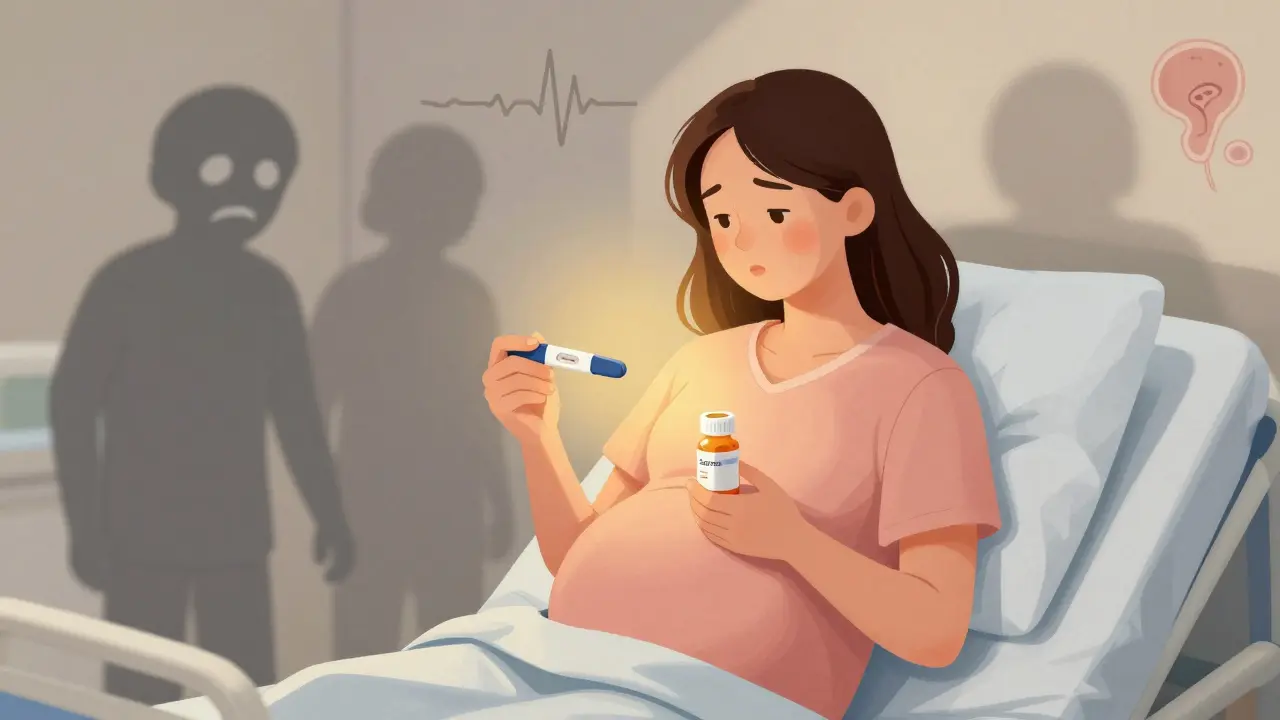
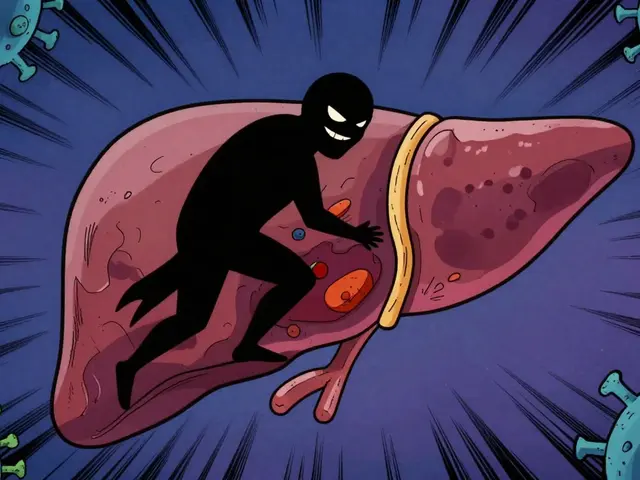
One in seven pregnant people in the U.S. experiences depression. That’s not rare. It’s not unusual. It’s a medical reality. Yet, many women stop their antidepressants the moment they find out they’re pregnant-out of fear, not facts. The truth? Untreated depression carries far greater risks to both mother and baby than most medications do.
When depression goes untreated during pregnancy, the chances of preterm birth go up by 40%. Low birth weight becomes 30% more likely. Preeclampsia risk climbs by 25%. And the mother? She’s 50% less likely to show up for prenatal visits. She may stop eating well, skip vitamins, avoid exercise-all because she can’t get out of bed. Depression doesn’t just affect mood. It affects survival.
And here’s the hard part: stopping medication doesn’t fix the problem. Studies show that 68% of women who quit their antidepressants during pregnancy relapse into severe depression. Compare that to just 26% who stay on treatment. That’s not a risk-it’s a choice between two dangers.
Not All Antidepressants Are the Same
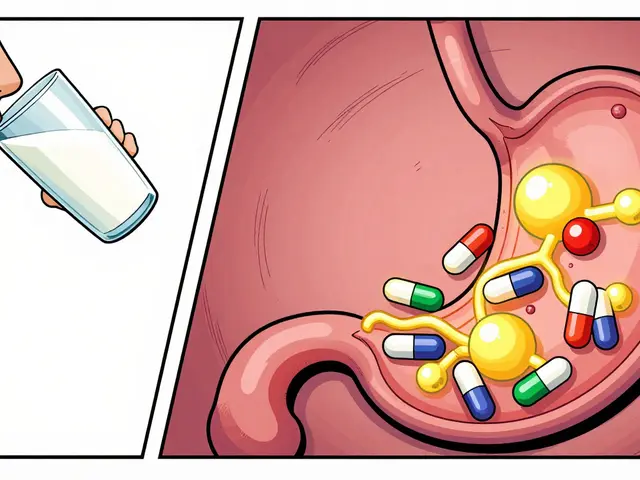
If you’re pregnant and need medication, not all antidepressants are created equal. The most commonly prescribed are SSRIs-selective serotonin reuptake inhibitors. These include sertraline (Zoloft), citalopram (Celexa), escitalopram (Lexapro), and fluoxetine (Prozac). Among them, sertraline is the most studied and the most recommended.
Why sertraline? Because decades of research show it has the cleanest safety profile. It doesn’t cross the placenta as easily as others. It’s less likely to cause side effects in newborns. And when compared to women with depression who didn’t take any medication, sertraline users didn’t have higher rates of birth defects, growth problems, or developmental delays in their children.
There’s one major exception: paroxetine (Paxil). This SSRI has been linked to a 1.5 to 2 times higher risk of heart defects in babies. That’s why doctors don’t start new patients on paroxetine during pregnancy-and strongly recommend switching away from it if you’re already taking it when you conceive.
SNRIs like venlafaxine (Effexor) are sometimes used, but they have less data behind them. Tricyclics are rarely chosen today because they come with more side effects and older, less reliable safety records. The bottom line? If you need medication, sertraline is the safest bet.
Birth Defects? The Data Says No
For years, people worried that antidepressants caused birth defects. Early studies seemed to confirm it. But those studies were flawed. They didn’t account for the fact that women taking antidepressants were also more likely to have depression, smoking, poor nutrition, or stress-all of which can affect fetal development.
Then came better research. A 2024 meta-analysis of over 5 million pregnancies found that when you compare women taking SSRIs to women with depression who didn’t take medication, the risk of major birth defects dropped from 1.25 times higher to almost the same-just 1.04 times higher. That’s not a real difference. That’s noise.
Another study looked at siblings-one child exposed to SSRIs in the womb, one not. The exposed child didn’t have more birth defects. Not more heart problems. Not more limb abnormalities. Just the same. The same risk as their unexposed sibling. That’s powerful evidence.
The Society for Maternal-Fetal Medicine put it bluntly in July 2025: “The available data consistently show that SSRI use during pregnancy is not associated with congenital anomalies, fetal growth problems, or long-term developmental problems.” That’s not a guess. That’s the consensus of top obstetricians, psychiatrists, and researchers.
Neonatal Adaptation Syndrome: Real, But Temporary
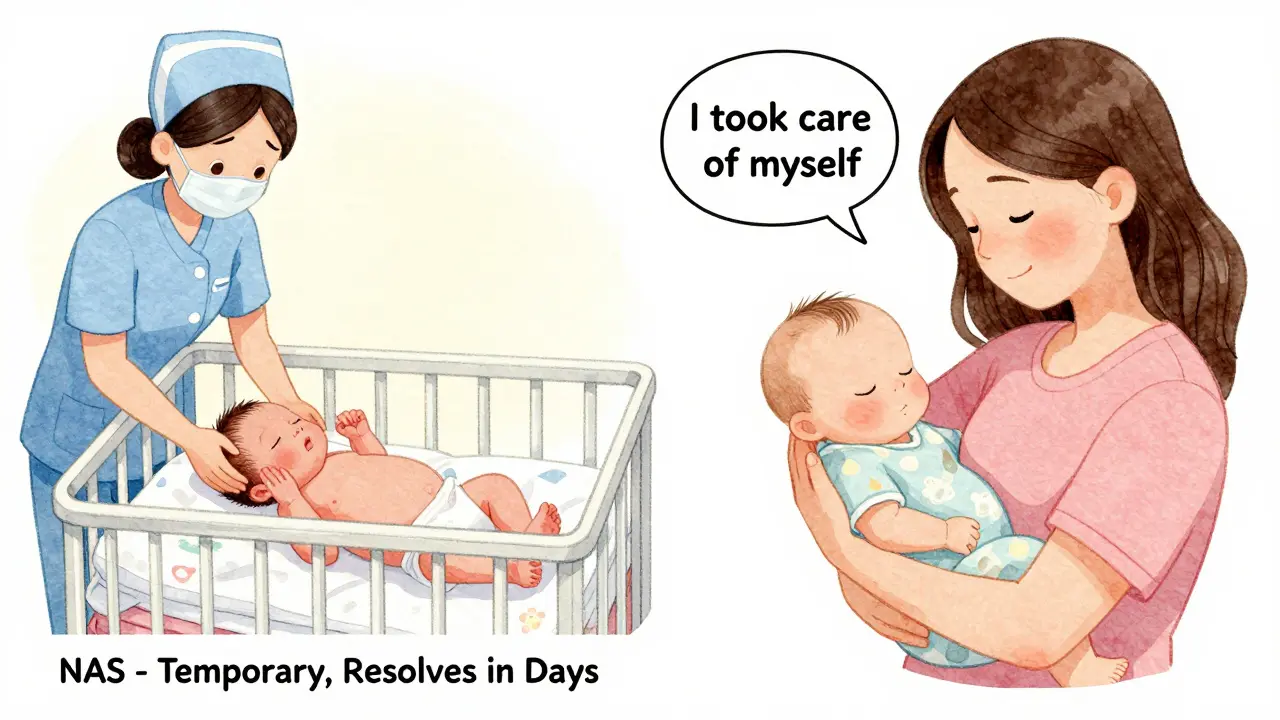
Yes, some babies exposed to SSRIs in the last trimester have trouble adjusting after birth. About 30% of them might be jittery, have trouble feeding, or breathe a little fast. This is called neonatal adaptation syndrome (NAS), or sometimes PNAS-perinatal adaptation syndrome.
It’s not a birth defect. It’s not brain damage. It’s not permanent. It’s a physiological reaction to the sudden drop in medication after birth. The baby’s body has to relearn how to regulate serotonin on its own.
These symptoms show up within hours or days after delivery. They usually fade within 1 to 2 weeks. No long-term treatment is needed. No special care beyond what any newborn might need. No follow-up scans. No developmental delays later on.
And here’s the key: the risk is lowest with sertraline and citalopram. Fluoxetine stays in the system longer, so babies exposed to it may have slightly longer or more noticeable symptoms. But even then-still temporary. Still manageable.
What About Long-Term Development?
Parents worry: Will my child be different? Will they have autism? ADHD? Learning problems?
A 2022 study tracked 44,000 children from birth to age five. Half were exposed to SSRIs in the womb. Half weren’t. The researchers controlled for every possible factor-genetics, income, education, maternal mental health, smoking, alcohol. The result? No difference in language skills, motor development, behavior, or IQ scores.
Other large studies from Sweden, Canada, and Australia confirmed the same thing. Children exposed to SSRIs in utero grow up just like their peers. No higher rates of autism. No higher rates of anxiety. No higher rates of school struggles.
Here’s what we do know: children of mothers with untreated depression are more likely to have emotional and behavioral problems. Their stress hormone levels are higher. Their brain development is altered. The medication doesn’t cause that. The depression does.
Fluoxetine and PPHN: A Small Risk, But Worth Knowing
There’s one specific concern with fluoxetine: a rare condition called persistent pulmonary hypertension of the newborn (PPHN). It’s when a baby’s lungs don’t transition properly after birth, making it hard to get oxygen.
The risk? About 5 to 6 cases per 1,000 births in fluoxetine-exposed babies. That’s higher than the 2 to 3 per 1,000 in unexposed babies. But here’s the context: PPHN is still extremely rare. And it’s treatable-with oxygen, ventilation, sometimes ECMO. Most babies recover fully.
Compare that to the risk of severe depression: 23.4% of pregnancy-related deaths in the U.S. between 2017 and 2019 were due to mental health conditions. Suicide. Overdose. Neglect. That’s the real threat.
If you’re on fluoxetine and you’re worried, talk to your doctor. Switching to sertraline might make sense. But don’t stop cold. Don’t panic. The risk of PPHN is small. The risk of untreated depression? Not small at all.
Stopping Antidepressants During Pregnancy Is Risky
A 2025 study in JAMA Network Open found something alarming: nearly half of pregnant women stopped taking their antidepressants after becoming pregnant. And guess what? Psychotherapy didn’t increase to make up for it. No more counseling. No more support. Just silence.
That’s dangerous. Abruptly stopping SSRIs can trigger withdrawal symptoms-nausea, dizziness, brain zaps, insomnia. Worse, it can trigger a full relapse. And when depression returns during pregnancy, it’s harder to treat. Medication becomes less effective. Therapy takes longer to help.
Doctors don’t recommend stopping unless you’ve been symptom-free for over a year and have strong support. Even then, tapering slowly under supervision is safer than quitting cold turkey.
If you’re thinking about stopping, ask yourself: What’s the alternative? Will I get therapy every week? Will I have someone to help me cook, sleep, and care for myself? If the answer is no, then staying on medication might be the most responsible choice.
What Should You Do?
Here’s what the experts agree on:
- If you’re already on an antidepressant and find out you’re pregnant, don’t stop. Talk to your doctor immediately.
- If you’re not on medication but have moderate to severe depression, don’t wait. Treatment is safe and necessary.
- Sertraline is the first-choice SSRI. It has the most safety data and the lowest risk profile.
- Avoid paroxetine. If you’re on it, switch before or early in pregnancy.
- Work with both your OB and your psychiatrist. One handles pregnancy. The other handles your mental health. They need to talk.
- Combine medication with therapy. CBT works. Exercise helps. Sleep matters.
- Don’t let fear make your decision. Let data, your symptoms, and your support system guide you.
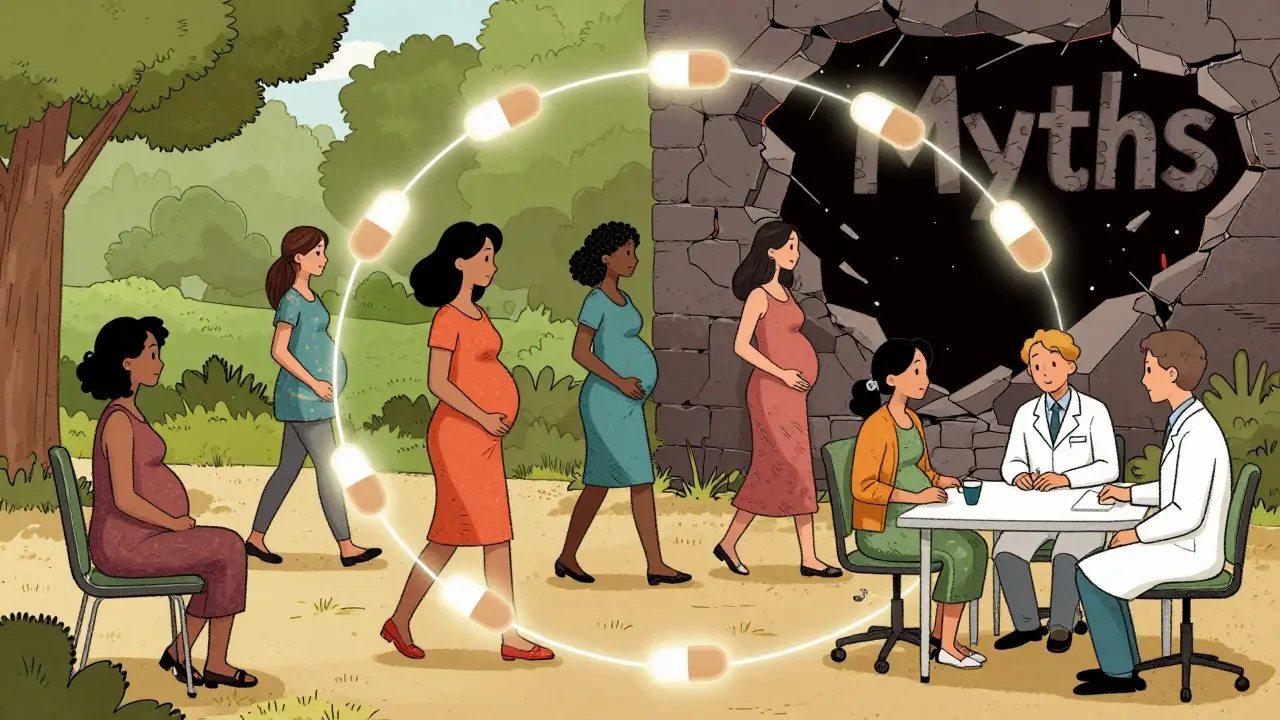
The idea that antidepressants are dangerous in pregnancy is a myth built on old studies and emotional fear. The truth? The real danger is leaving depression untreated. Your mental health isn’t a luxury. It’s part of your baby’s health.
What About Breastfeeding?
Yes, most SSRIs are safe while breastfeeding. Sertraline passes into breast milk in tiny amounts-so small that it rarely affects the baby. Fluoxetine is less ideal because it builds up over time. But even then, most babies show no side effects.
Studies show no delays in motor skills, language, or behavior in breastfed babies whose mothers take SSRIs. The benefits of breastfeeding-immune protection, bonding, nutrition-far outweigh the minimal risk.
If you’re planning to breastfeed, tell your doctor. They can pick the best medication for both pregnancy and nursing.
Final Thoughts
This isn’t about choosing between a pill and a baby. It’s about choosing between a healthy mom and a sick one. Between a baby born to a mother who can hold her, and one born to a mother who can’t get out of bed.
The data is clear. The guidelines are clear. The experts are clear. Antidepressants-especially sertraline-are safe during pregnancy. The risks are low. The benefits are high.
If you’re pregnant and struggling, you’re not broken. You’re human. And you deserve care. Not guilt. Not silence. Not fear. You deserve the best chance-for yourself, and for your child.
15 Comments

Uzoamaka Nwankpa
January 4, 2026 at 13:06 PM
This article is a pharmaceutical propaganda piece disguised as medical advice. The real danger is not depression-it’s the system pushing pills on vulnerable women because they don’t have access to real care. You think a pill fixes trauma? It doesn’t. It just silences the scream.

Dee Humprey
January 5, 2026 at 00:00 AM
If you're pregnant and depressed, please talk to your OB and your therapist. Together. Sertraline is safe. Not perfect, but safe. And if you're scared? That's normal. But don't let fear make the decision. Your mental health is part of your baby's health. You deserve support, not shame. 💛

John Wilmerding
January 6, 2026 at 00:37 AM
The evidence base supporting sertraline use during pregnancy is robust and methodologically sound. Multiple large-scale cohort studies, including those from Sweden and Canada, demonstrate no significant increase in congenital anomalies or neurodevelopmental deficits when compared to unmedicated depressed controls. Clinical guidelines from SMFM and ACOG align on this consensus.

Siobhan Goggin
January 6, 2026 at 02:53 AM
I wish more people understood that choosing to stay on medication isn't weakness-it's courage. I cried when I started sertraline again after my positive test. But I also held my baby for the first time with my whole heart. That matters.

Vikram Sujay
January 7, 2026 at 15:04 PM
The paradox of modern maternal care is that we demand perfection from women while offering them fragmented support. A pill may stabilize neurochemistry, but it cannot replace community, rest, or dignity. The real question is not whether SSRIs are safe-but why we make women choose between their mind and their body in the first place.

Shanna Sung
January 9, 2026 at 01:47 AM
They say sertraline is safe but what about the babies who had seizures? What about the ones who cried nonstop for weeks? They hide those stats. Big Pharma doesn't want you to know the truth. The FDA knows. The doctors know. They just don't tell you.

Ashley Viñas
January 9, 2026 at 17:19 PM
I’m sorry, but if you’re so depressed you can’t get out of bed, maybe you shouldn’t be having a baby? There’s a reason adoption exists. You’re not ‘deserving care’-you’re being irresponsible with a life you can’t even manage yourself.

Doreen Pachificus
January 10, 2026 at 18:59 PM
Huh. I always thought depression just meant being sad. Didn’t realize it affected birth weight and prenatal visits. That’s wild.

Cassie Tynan
January 10, 2026 at 22:06 PM
Oh so now we’re telling women to take a pill instead of asking why society makes motherhood so damn exhausting? Cute. Let’s fix the system, not just the serotonin.

Jack Wernet
January 11, 2026 at 14:21 PM
In many cultures, mental health is treated as a private matter, even during pregnancy. This article provides a necessary bridge between Western medical consensus and the global silence surrounding perinatal depression. Thank you for the clarity.

Charlotte N
January 12, 2026 at 16:05 PM
I took citalopram and my kid is 4 and he’s literally a genius but also hates socks?? I mean… is it the meds or the socks?? I don’t know but I’m glad I didn’t stop

Chris Cantey
January 14, 2026 at 04:45 AM
The real tragedy isn’t depression. It’s that we’ve turned motherhood into a performance. You’re not supposed to be broken. You’re supposed to be radiant. So you swallow the pill and smile. And no one asks if you’re actually okay.

Oluwapelumi Yakubu
January 15, 2026 at 19:21 PM
In Nigeria, we say ‘the child carries the mother’s soul’. If the mother is drowning, the child drowns with her. Medication isn’t betrayal-it’s salvation. The West needs to learn that healing isn’t about purity, it’s about presence.

Terri Gladden
January 17, 2026 at 10:14 AM
I stopped my meds and now my baby has colic and I’m crying all the time and my husband says I’m just being dramatic but I know its because I stopped the pills and now I feel like a monster and I hate myself

Vicki Yuan
January 4, 2026 at 09:19 AM
I was on sertraline during both my pregnancies and my kids are now 7 and 9-perfectly healthy, brilliant, and emotionally grounded. No developmental delays, no weird behaviors. The fear is real, but the data is clearer. You’re not being selfish for staying on meds-you’re being responsible.