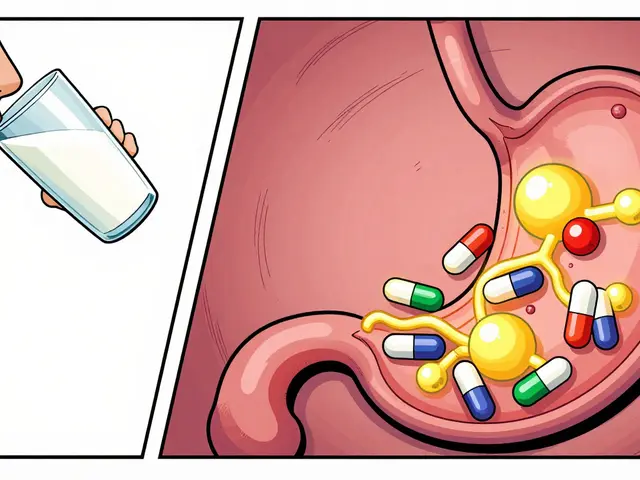
AE Reporting: Understanding Adverse Event Reporting in Medication Safety
When you take a medication and something unexpected happens—like a rash, dizziness, or trouble breathing—that’s not just bad luck. It’s a signal, and AE reporting, the process of documenting and submitting unexpected side effects from medications to health authorities. Also known as adverse event reporting, it’s the backbone of pharmacovigilance, the science and activities focused on detecting, assessing, understanding, and preventing adverse effects of medicines. Without this system, dangerous drug reactions would go unnoticed until too many people are hurt.
AE reporting isn’t just for doctors. Patients, pharmacists, and caregivers all play a role. If you notice a new symptom after starting a drug—especially if it’s severe, unusual, or gets worse over time—your report matters. The FDA, EMA, and other global agencies rely on these reports to spot patterns. For example, reports of muscle pain from certain statins led to clearer warnings about hydrophilic vs. lipophilic types. Similarly, reports linking NSAIDs to lithium toxicity helped update guidelines for bipolar patients. These aren’t abstract concepts—they’re real connections between what you experience and what gets changed in prescribing practices.
Some drugs carry higher risks because of their narrow therapeutic index, a range where the dose needed for effect is very close to the dose that causes harm. Lithium, warfarin, and some antiseizure meds fall into this category. Even tiny changes in how your body absorbs them—due to generic switches, kidney changes, or new meds like diuretics—can trigger toxicity. That’s why AE reporting is especially vital here. A single report might not change anything, but hundreds of similar reports? That’s how a drug label gets updated, or a black box warning gets added.
You don’t need to be a scientist to report. If you’ve taken lithium and started feeling confused or shaky after adding ibuprofen, that’s an AE. If your aunt’s hives didn’t go away after taking Benadryl, that’s an AE. If someone’s blood sugar crashed after a new diabetes med, that’s an AE. These aren’t rare events—they happen every day. And every time someone reports one, the system gets smarter. The posts below cover exactly these kinds of stories: how anticholinergics silently affect memory, how expired meds can still be safe (or deadly), how statins cause muscle pain, and why some drugs are riskier when combined. They show you the real-world impact of AE reporting—not just as a formality, but as a living safety net.
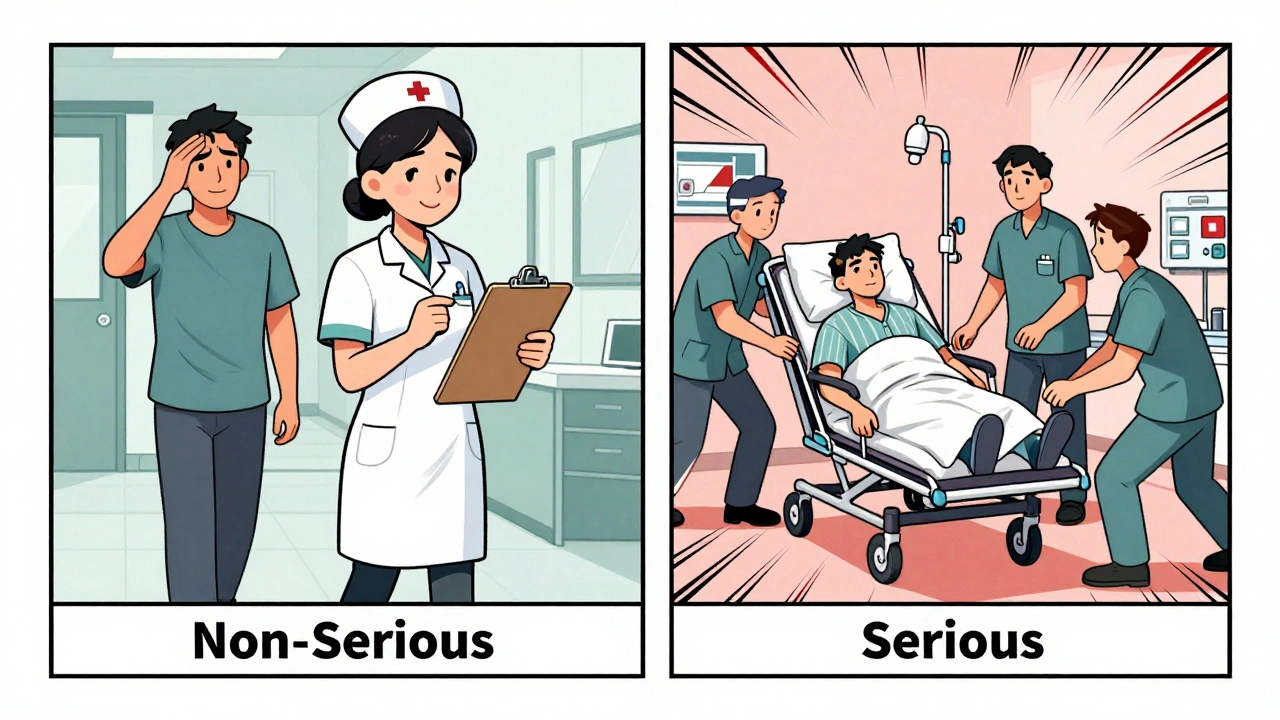
Serious vs Non-Serious Adverse Events: When to Report in Clinical Trials
Learn the critical difference between serious and non-serious adverse events in clinical trials, when to report each, and how to avoid common mistakes that waste time and risk patient safety.
View More