Lithium Drug Interactions: What You Need to Know Before Taking It
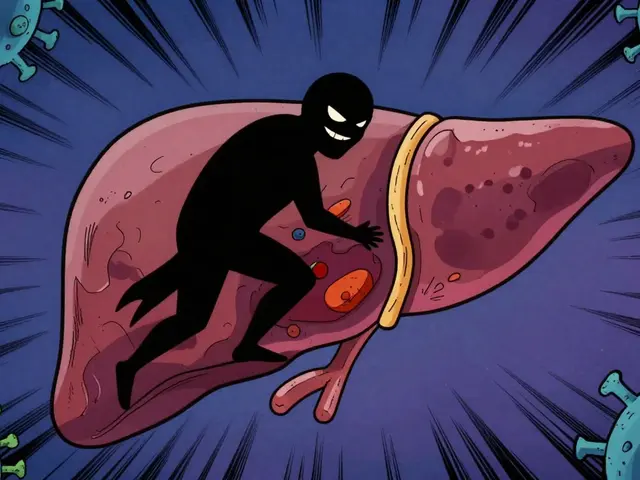
When you take lithium, a mood stabilizer used primarily to treat bipolar disorder by balancing brain chemicals. Also known as lithium carbonate, it works slowly over weeks to reduce mania and prevent depressive episodes. But lithium isn’t like most pills—it has a very narrow window between helping you and harming you. Even small changes in your body can push lithium into dangerous territory, leading to toxicity that causes tremors, confusion, kidney damage, or worse.
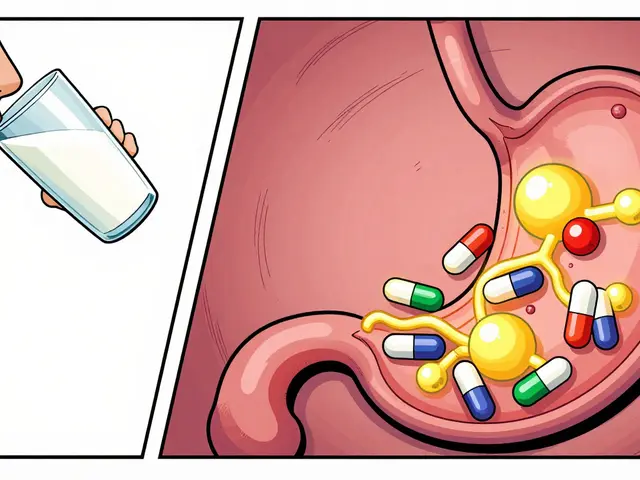
This is why drug interactions, when two or more medications affect each other’s absorption, metabolism, or elimination matter so much with lithium. Common painkillers like ibuprofen or naproxen can reduce how fast your kidneys clear lithium, causing it to build up. Even something as simple as cutting back on salt or getting dehydrated can spike lithium levels. Diuretics, ACE inhibitors, and some antidepressants also interfere with how your body handles lithium. And it’s not just pills—changes in your diet, sweat levels during exercise, or even hot weather can throw things off.
That’s why mood stabilizers, medications used to control extreme mood swings in bipolar disorder like lithium require careful monitoring. Doctors don’t just prescribe it and walk away—they check your blood levels regularly, watch your kidney function, and ask about every new medicine you start, even over-the-counter ones. You might think a cold pill or a muscle relaxer is harmless, but with lithium, it’s not. The same goes for birth control pills, thyroid meds, and even some herbal supplements. One wrong combo can land you in the ER.
What you’ll find in the posts below isn’t just a list of warnings—it’s real, practical advice from people who’ve been there. You’ll see how NSAIDs quietly raise lithium risk, why hydration isn’t just about drinking water, and what alternatives exist if lithium stops working or becomes too risky. There’s also a post on how other mood stabilizers like valproate and carbamazepine interact with the same drugs, so you can compare options. No fluff. No guesswork. Just what you need to know to stay safe while managing your condition.
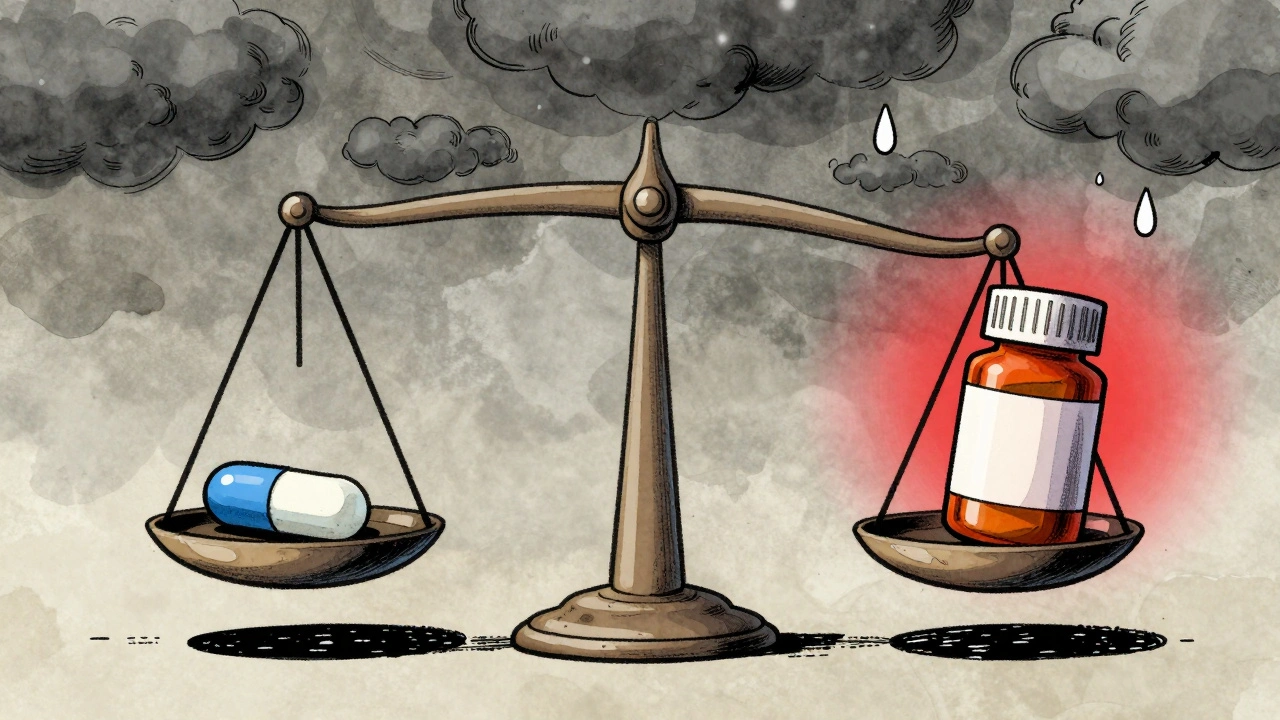
Lithium Toxicity: How Diuretics and NSAIDs Raise Risk and What to Do
Lithium is highly effective for bipolar disorder but dangerously sensitive to interactions with diuretics and NSAIDs. Learn how common medications can raise lithium levels, trigger toxicity, and what steps to take to stay safe.
View More