Lithium Monitoring: What You Need to Know About Safety and Blood Tests
When you’re taking lithium, a mood stabilizer used primarily to treat bipolar disorder. Also known as lithium carbonate, it works by balancing brain chemicals—but only if your blood levels stay in the right range. Too little, and it won’t help your mood. Too much, and it can poison you. That’s why lithium monitoring, the regular testing of blood lithium levels to ensure safe and effective dosing isn’t optional—it’s life-saving.
Lithium doesn’t play nice with other drugs. NSAIDs, like ibuprofen or naproxen, commonly used for pain or inflammation can cause lithium to build up in your blood, even if you haven’t changed your dose. Same goes for diuretics, water pills often prescribed for high blood pressure or swelling. Even a simple change in salt intake or dehydration from a hot day can throw your levels off. That’s why your doctor checks your lithium levels every few months when you start, then every 3 to 6 months after that. If you’re over 65, have kidney issues, or take other meds that affect your kidneys, you might need checks even more often.
What are you looking for? The safe range for lithium is usually between 0.6 and 1.0 mmol/L. Above 1.5, you’re in danger zone—symptoms like tremors, confusion, nausea, or dizziness mean you might be heading toward lithium toxicity, a serious condition that can cause seizures, kidney damage, or even coma. Many people don’t realize how fast it can happen. One extra dose, a bad case of the flu, or switching to a new blood pressure med can push you over the edge. That’s why tracking isn’t just about numbers—it’s about catching changes before you feel sick.
You’ll also need regular kidney and thyroid tests. Lithium can slow down your thyroid or damage your kidneys over time, even if your blood levels look fine. That’s why monitoring isn’t just about lithium—it’s about your whole body. If your doctor doesn’t ask for these tests, ask them yourself. You’re not being difficult—you’re being smart.
There’s no magic fix. No app, no home test, no shortcut. The only way to stay safe on lithium is through consistent, careful monitoring. The posts below cover exactly that: how lithium interacts with other meds, what symptoms to watch for, why some people need higher or lower doses, and how to avoid the most common mistakes that lead to hospital visits. You’ll find real advice from people who’ve been there, and clear explanations from doctors who know the science. This isn’t theory. It’s what keeps people alive.
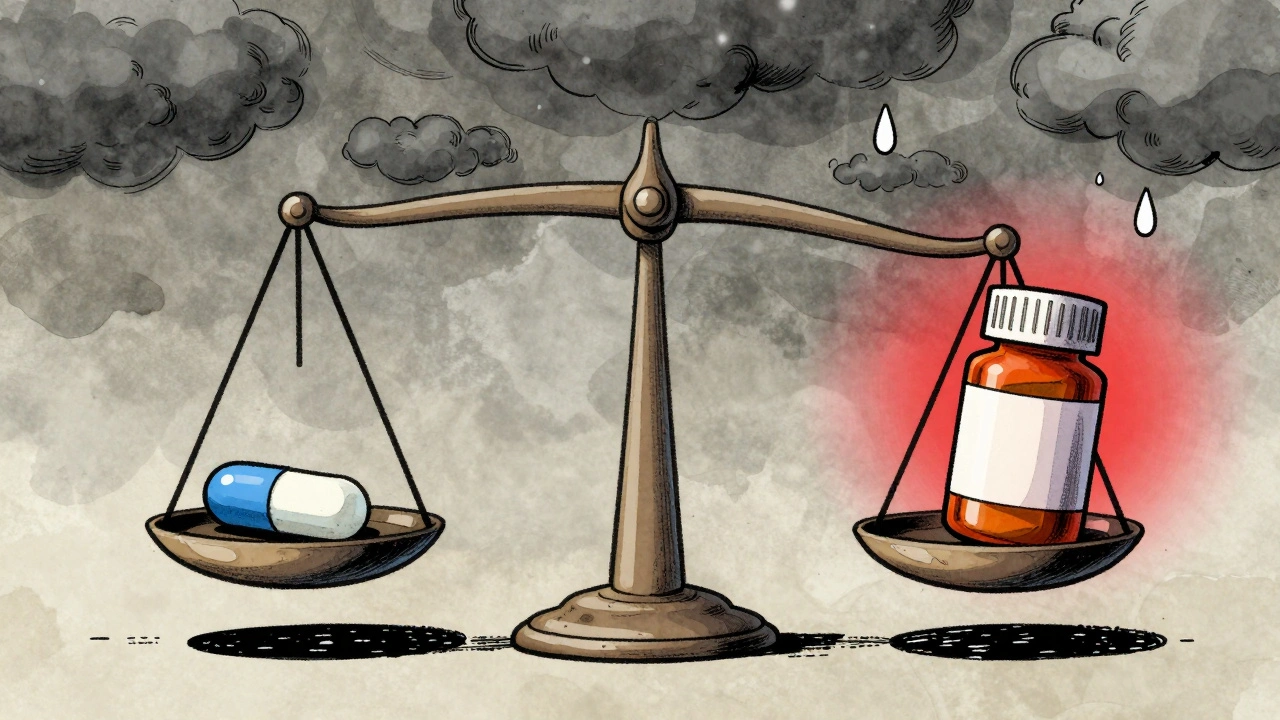
Lithium Toxicity: How Diuretics and NSAIDs Raise Risk and What to Do
Lithium is highly effective for bipolar disorder but dangerously sensitive to interactions with diuretics and NSAIDs. Learn how common medications can raise lithium levels, trigger toxicity, and what steps to take to stay safe.
View More