SAE Reporting: What It Is and Why It Matters for Patient Safety
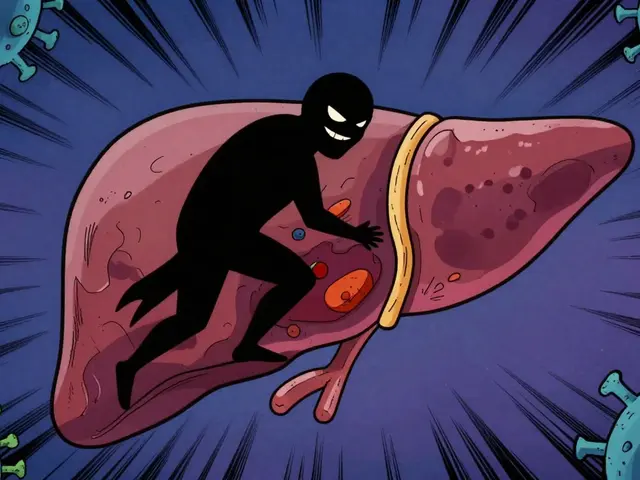
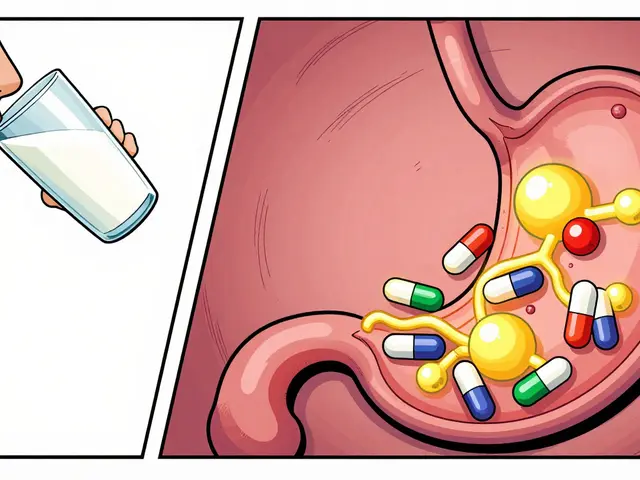
When a medication causes a life-threatening reaction, hospitalization, or permanent harm, that’s not just a side effect—it’s a serious adverse event (SAE), a harmful and unintended reaction to a drug that requires urgent medical attention or leads to lasting damage. Also known as serious adverse drug reaction, it’s the kind of event that triggers SAE reporting, the formal process of documenting and sending details of dangerous drug reactions to health regulators. This isn’t bureaucracy—it’s a safety net. Without it, dangerous patterns in drug use would stay hidden until too many people got hurt.
SAE reporting is how regulators like the FDA and EMA find out about risks that didn’t show up in clinical trials. Trials involve thousands, not millions, of people. Real-world use reveals things no lab can predict: a rare heart rhythm problem in older adults, liver damage from a new generic, or a deadly interaction with a common painkiller. These are the events that get reported by doctors, pharmacists, nurses, and even patients. When enough reports pile up, agencies can issue warnings, update labels, or pull a drug off the market. That’s how pharmacovigilance, the science of monitoring drug safety after approval keeps us protected. It’s the quiet system working behind the scenes every time someone fills a prescription.
Not every bad reaction counts as an SAE. A mild rash? Probably not. But if that rash turns into toxic epidermal necrolysis? That’s an SAE. If a drug causes a stroke, leads to a miscarriage, or makes someone suicidal? Those are SAEs too. The key is severity and connection to the drug. That’s why post-marketing surveillance, the ongoing monitoring of drugs after they’re sold to the public is just as important as the initial approval. The posts below cover real cases where SAE reporting made a difference—from lithium toxicity triggered by common NSAIDs to immune reactions in patients on biologics. These aren’t hypotheticals. They’re real stories of people who got hurt, reported it, and helped prevent others from suffering the same fate.
You don’t need to be a doctor to make a difference. If you or someone you know had a scary reaction to a medication, reporting it matters. Those reports are the foundation of safer drugs for everyone. Below, you’ll find practical guides on how certain drugs trigger serious reactions, what to watch for, and how to protect yourself—because knowing the signs is the first step in stopping them.
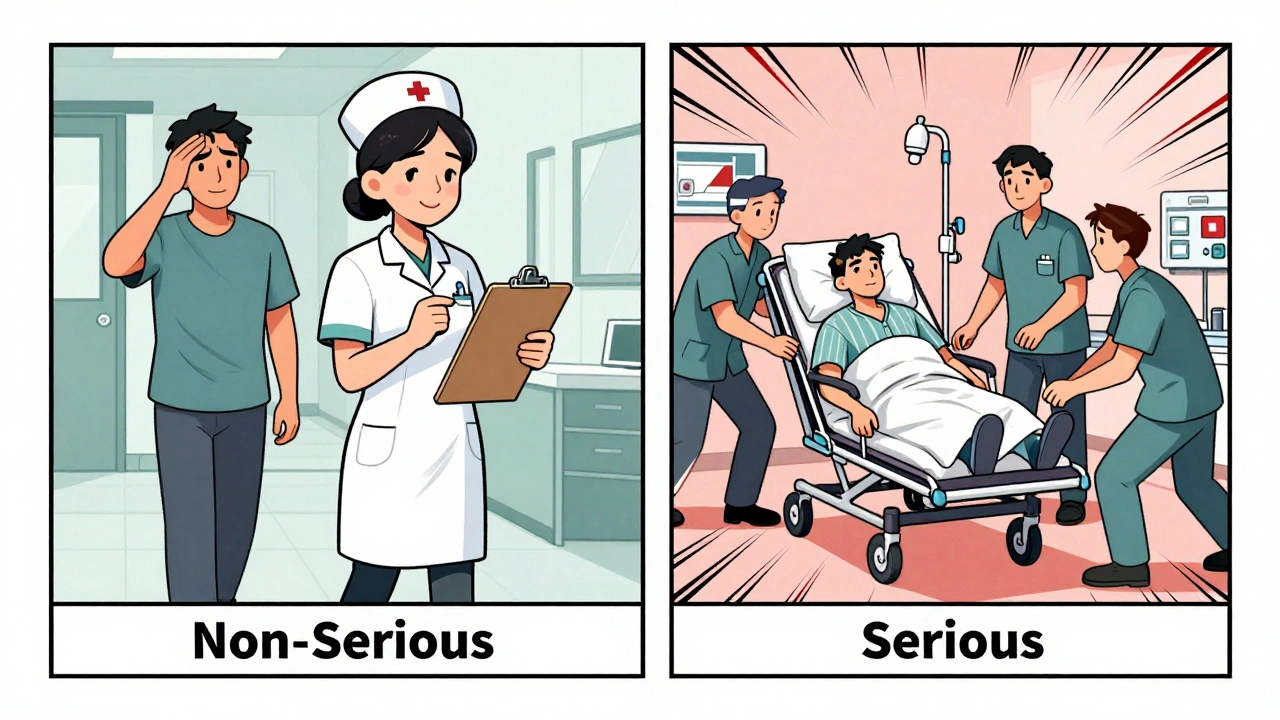
Serious vs Non-Serious Adverse Events: When to Report in Clinical Trials
Learn the critical difference between serious and non-serious adverse events in clinical trials, when to report each, and how to avoid common mistakes that waste time and risk patient safety.
View More