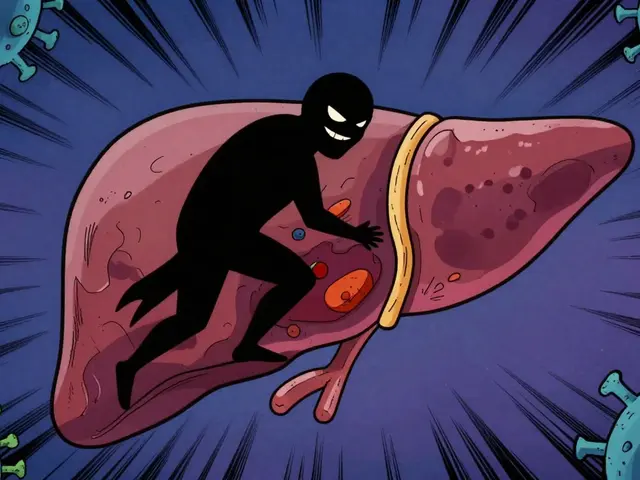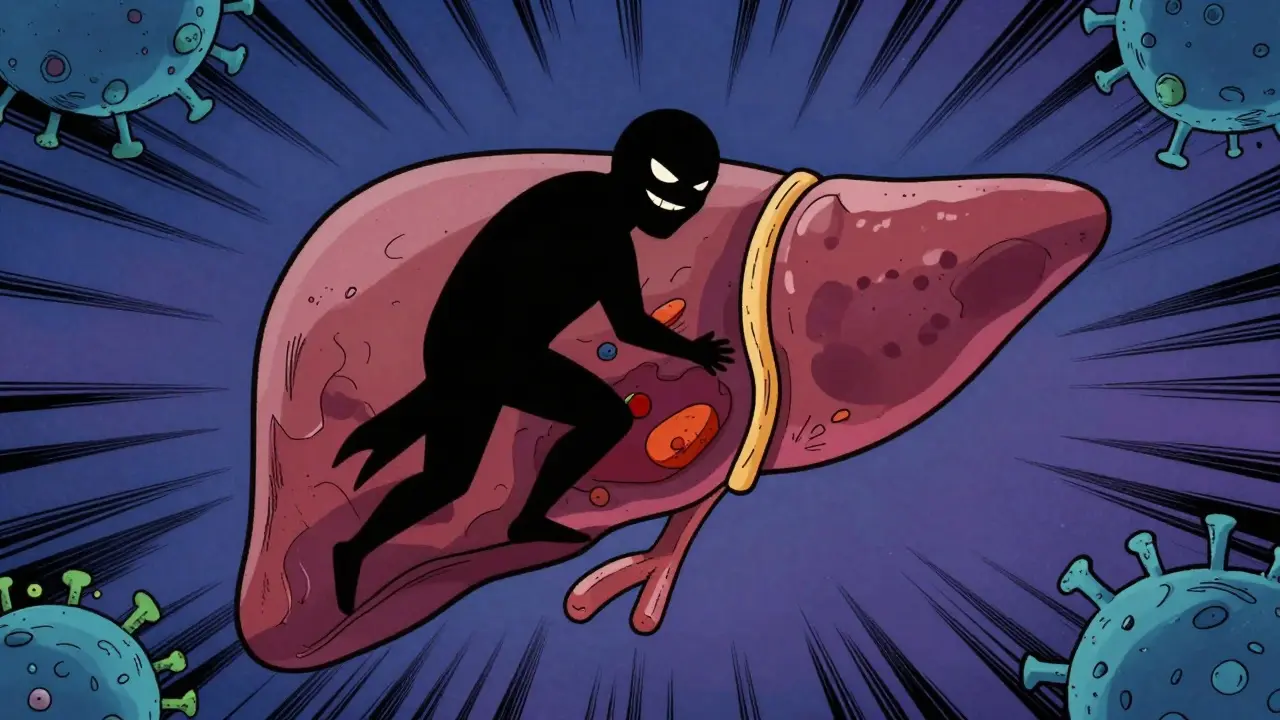
Imagine living with a silent intruder in your body that doesn't show its face until it has already caused significant damage. That is the reality for millions of people worldwide living with Hepatitis B is a liver infection caused by the hepatitis B virus (HBV) that can lead to both acute and chronic liver disease. It is a global health challenge, with nearly 300 million people carrying the chronic version of the virus. While it can be scary, the good news is that we now have highly effective ways to stop the virus from replicating, protect your liver from scarring, and prevent the infection from spreading to others through vaccination.
Understanding Chronic Infection
Not everyone who catches the virus will have a long-term struggle. Some people clear the infection on their own. However, when the Hepatitis B surface antigen (HBsAg) remains in the blood for six months or longer, it is officially classified as a chronic infection. This means the virus has set up a permanent home in the liver, and without intervention, it can cause slow, steady damage over decades.
The danger here isn't just the infection itself, but the progression. Over time, chronic inflammation leads to fibrosis (scarring), which can harden into cirrhosis. If left unchecked, this environment is a breeding ground for Hepatocellular Carcinoma, which is the most common type of primary liver cancer. Because the early stages of chronic HBV often have no symptoms, many people don't know they are sick until the liver is already struggling to function.
When is it Time for Antiviral Treatment?
You don't always need medication the moment you test positive. Doctors look at a few specific numbers to decide if it's time to start Antiviral Therapy. They typically balance three things: how much virus is in your blood (HBV DNA levels), how inflamed your liver is (ALT levels), and the amount of existing scarring (fibrosis stage).
Recent shifts in global health guidelines have made treatment more accessible. While older rules were strict, the WHO 2024 HBV guidelines have simplified things significantly. Now, the World Health Organization suggests that any adult with an HBV DNA level of 2,000 IU/mL or higher should be considered for treatment, regardless of their ALT levels or the stage of their fibrosis. This move aims to catch the disease earlier and prevent liver failure before it starts.
For those with cirrhosis, the rules are even more direct. If you have compensated cirrhosis, treatment is recommended regardless of your viral load. If the cirrhosis has become decompensated (meaning the liver is failing to perform its basic functions), oral antivirals are started immediately, and a referral for a liver transplant is usually prioritized.

The Modern Arsenal: Choosing the Right Antiviral
Modern medicine has moved toward "nucleos(t)ide analogs"-drugs that stop the virus from copying its genetic material. These aren't cures in the sense that they don't completely erase the virus from every cell, but they act like a highly effective leash, keeping the virus suppressed so the liver can heal.
For years, Tenofovir Disoproxil Fumarate (TDF) and Entecavir (ETV) were the gold standards. However, Tenofovir Alafenamide (TAF), often sold as VEMLIDY, has changed the game. TAF provides the same powerful suppression of the virus as TDF but is much gentler on the kidneys and bones. This is a huge deal for older patients or those who already have kidney concerns, as TDF can sometimes cause renal tubular dysfunction if not monitored closely.
| Medication | Primary Benefit | Main Consideration | Typical Use Case |
|---|---|---|---|
| Tenofovir Alafenamide (TAF) | High potency, low toxicity | More expensive in some regions | Patients with bone or kidney risks |
| Tenofovir Disoproxil (TDF) | Proven long-term efficacy | Risk of renal/bone density loss | General population with healthy kidneys |
| Entecavir (ETV) | Powerful viral suppression | Slightly higher resistance risk than TDF | Alternative for TDF-intolerant patients |
| Pegylated Interferon (PEG-IFN) | Potential for functional cure | Significant side effects (flu-like) | Selected patients with specific biomarkers |
Special Situations and Co-infections
Hepatitis B doesn't always travel alone. When HBV is paired with other viruses, the management becomes more complex. For example, if someone is co-infected with HIV, the approach is aggressive. Guidelines now state that these patients should start HIV treatment with antivirals that are also active against HBV immediately upon diagnosis, regardless of their immune cell count.
Another critical concern is the Hepatitis D virus (HDV). HDV is a "satellite" virus-it cannot exist without Hepatitis B. Because HDV can accelerate liver failure, doctors are now strongly encouraged to test every single HBsAg-positive patient for HDV. If you're treating Hepatitis C with Direct-Acting Antivirals (DAAs), it's also vital to start HBV therapy concurrently, especially if there is already significant fibrosis, to prevent a flare-up of the B virus during C treatment.
Pregnancy is another high-stakes scenario. To stop mother-to-child transmission, the WHO now recommends starting tenofovir at the 28th week of pregnancy for women with a viral load (HBV DNA) of 5.3 log10 IU/mL or higher. This simple intervention can prevent a lifetime of chronic illness for the child.

Prevention: The Power of Vaccination
The most effective way to deal with Hepatitis B is to make sure you never get it. The Hepatitis B Vaccine is one of the most successful public health tools in history. It works by training the immune system to recognize and destroy the virus before it can establish an infection.
But what happens if you've already been exposed? If you've had a discrete exposure-like a needle stick or contact with infected blood-time is of the essence. The CDC suggests a two-pronged approach called post-exposure prophylaxis. This involves getting both the vaccine and Hepatitis B Immune Globulin (HBIG). While the vaccine teaches your body to make its own antibodies over time, HBIG provides a "ready-made" dose of antibodies to fight the virus immediately. This combined attack is incredibly effective if administered promptly, ideally within 24 hours.
The Road Ahead: Is a Cure Possible?
Right now, the goal of treatment is "functional cure"-meaning the virus is so suppressed that it's undetectable and the liver inflammation stops, even if the virus isn't completely gone from the body. However, researchers are hunting for a total cure. The current frontier involves targeting cccDNA (covalently closed circular DNA), which is the "blueprint" the virus hides in the cell nucleus. If scientists can destroy this blueprint, they can effectively erase the virus from the liver.
Experts suggest that by 2030, we might see combination therapies that can achieve a functional cure for 30-40% of patients. Until then, the strategy remains simple: early diagnosis, consistent use of first-line antivirals like TAF or ETV, and regular check-ups every six months with a liver specialist to monitor for any signs of cancer or cirrhosis.
How often should I see a doctor if I have chronic Hepatitis B?
Most specialists and the Hepatitis B Foundation recommend follow-up visits every six months. These visits are crucial for monitoring ALT levels and screening for hepatocellular carcinoma (liver cancer) using ultrasound and blood tests, as early detection is key to successful treatment.
Can I stop taking my antiviral medication if my viral load is undetectable?
Generally, no. Antivirals for HBV are typically long-term therapies. Stopping medication without a doctor's supervision can lead to "viral rebound," where the virus returns aggressively, potentially causing severe liver inflammation or acute liver failure.
What is the difference between TDF and TAF?
Both are Tenofovir-based drugs that suppress HBV. TDF (Tenofovir Disoproxil Fumarate) is highly effective but can cause a decline in bone mineral density and kidney function in some people. TAF (Tenofovir Alafenamide) is a newer version that delivers the drug more efficiently to the liver cells, meaning lower levels in the blood and a significantly better safety profile for the kidneys and bones.
Does the Hepatitis B vaccine protect me from other types of hepatitis?
No. The Hepatitis B vaccine only protects against the HBV virus. It does not protect against Hepatitis A or Hepatitis C. You would need separate vaccinations for Hepatitis A and different medical management for Hepatitis C, as there is currently no vaccine for the C strain.
What should I do if I've been exposed to HBV but haven't been vaccinated?
You should seek medical attention immediately. If the exposure happened within the last 24 hours, starting the vaccine series is the priority. Depending on the severity of the exposure and the status of the source person, a doctor may also administer Hepatitis B Immune Globulin (HBIG) to provide immediate passive immunity.