
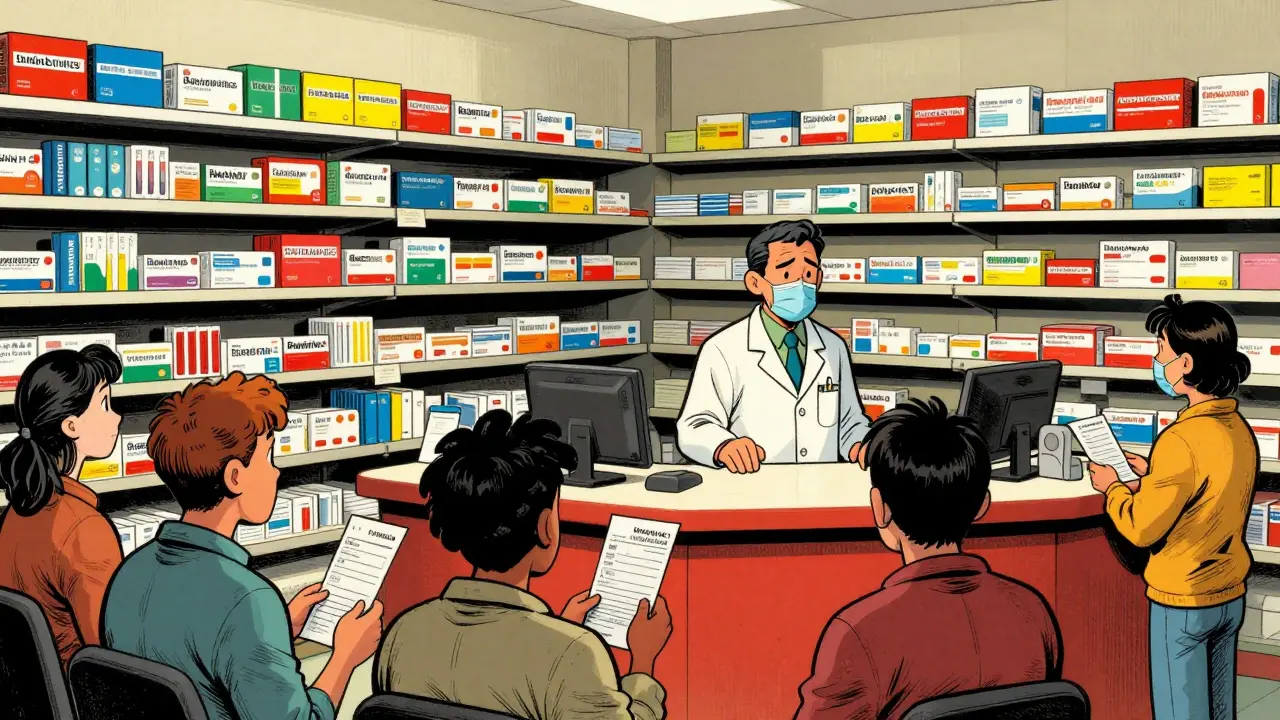
COVID-19 A viral pandemic declared by the World Health Organization that caused widespread health and economic disruption. did more than overwhelm hospitals; it sent shockwaves through the systems that deliver medicine to people everywhere. When lockdowns began in early 2020, patients suddenly found themselves unable to get life-saving medications. At the same time, the illicit drug market became far more dangerous. This dual crisis created a perfect storm where legitimate supply chains broke down while black-market purity dropped dangerously low. Understanding this history matters now because the scars on our healthcare infrastructure are still visible.
The Sudden Wall of Pharmaceutical Shortages
The very first months of the pandemic revealed how fragile our Drug Supply Chain The network of processes involved in producing, transporting, and delivering pharmaceutical products from manufacturer to patient. really was. We thought modern logistics were bulletproof, but travel restrictions and factory shutdowns proved otherwise. A major study published in JAMA Network Open showed that shortfalls weren't rare accidents-they were systemic. Between February and April 2020, nearly one-third of reported supply issues resulted in actual shortages. That means 34.2% of drugs flagged for problems had runs out completely or dropped below critical stock levels.
This wasn't just about niche treatments. Generic medications and critical care drugs were hit hard. Imagine trying to refill a prescription for insulin or blood pressure pills only to hear "out of stock." That reality forced many patients into rationing. They skipped doses or doubled down later, risking health complications. The numbers tell a clear story: compared to normal times, drugs with supply reports were five times more likely to face a shortage. By May 2020, things calmed slightly, but the damage was done. People realized that relying on overseas manufacturing hubs without backup plans was risky.
| Time Period | Shortage Rate (Reported Drugs) | Comparison Rate | Risk Increase |
|---|---|---|---|
| Feb-Apr 2020 | 34.2% | 9.5% | 4.9x |
| After May 2020 | 9.8% | 3.6% | 2.9x |
The Darker Side: Illicit Drugs and Overdoses
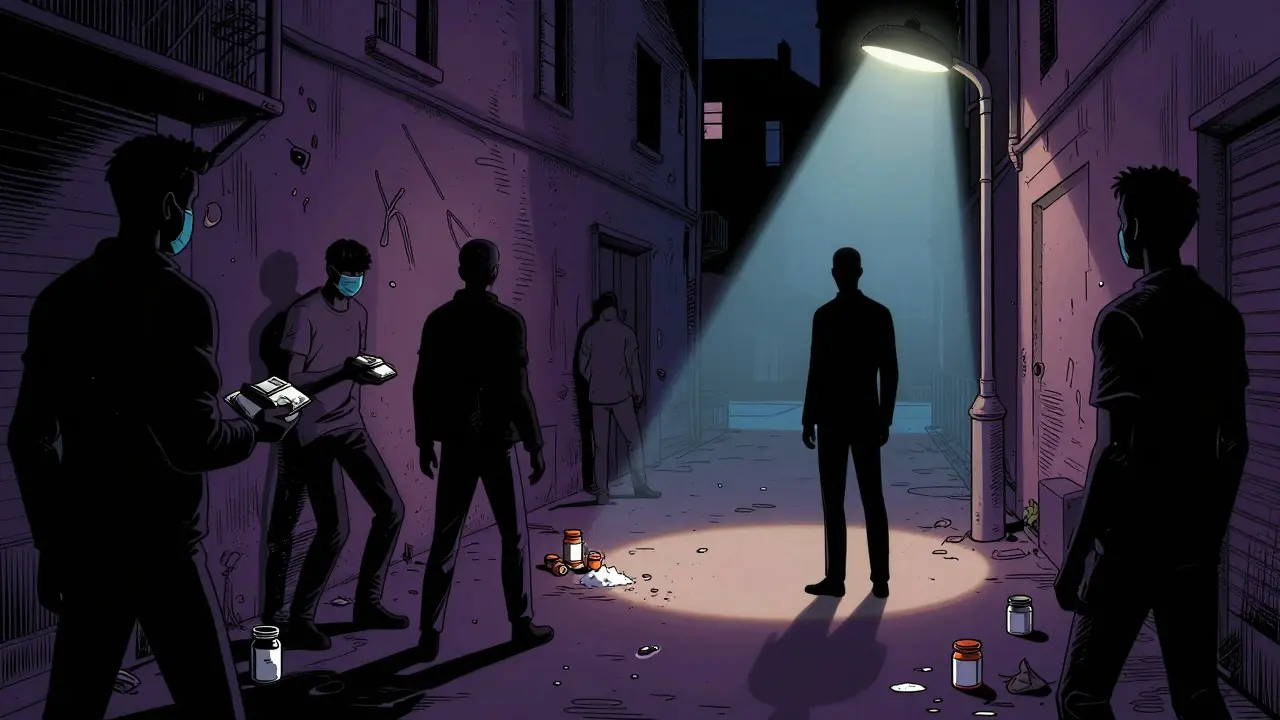
While pharmacies struggled with empty shelves, the streets were fighting their own war. The CDC Centers for Disease Control and Prevention, a U.S. national public health agency. tracked death data that showed a terrifying trend. As isolation cut people off from support networks, overdose deaths skyrocketed. In the 12-month period ending April 2021, nearly 98,000 Americans died from drug overdoses. Compare that to 2019, when the number was closer to 77,000. That is a jump of over 20,000 lives lost in just a year. States like West Virginia saw increases topping 50 percent.
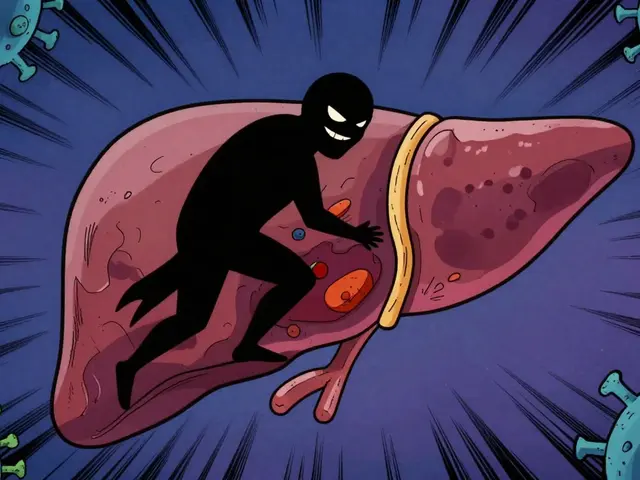
Why did this happen? When borders close and police protocols tighten, the Illicit Drug Market Unregulated trade of controlled substances often leading to variable potency and composition. adapts quickly. However, the adaptation was deadly. Traditional supply lines got severed, forcing dealers to move faster or use whatever chemical inputs were available. This led to higher contamination rates. Many users who relied on regular habits suddenly encountered fentanyl-laced products. A community forum post from June 2020 captured the horror perfectly: "People were getting knocked out by doses that used to be normal." One gram of a powder someone trusted could kill them unexpectedly because the mixture contained untested opioids. Mobility restrictions meant fewer people could go to detox centers or needle exchanges, leaving users vulnerable in isolation.
Telehealth: The Lifeline and the Barrier
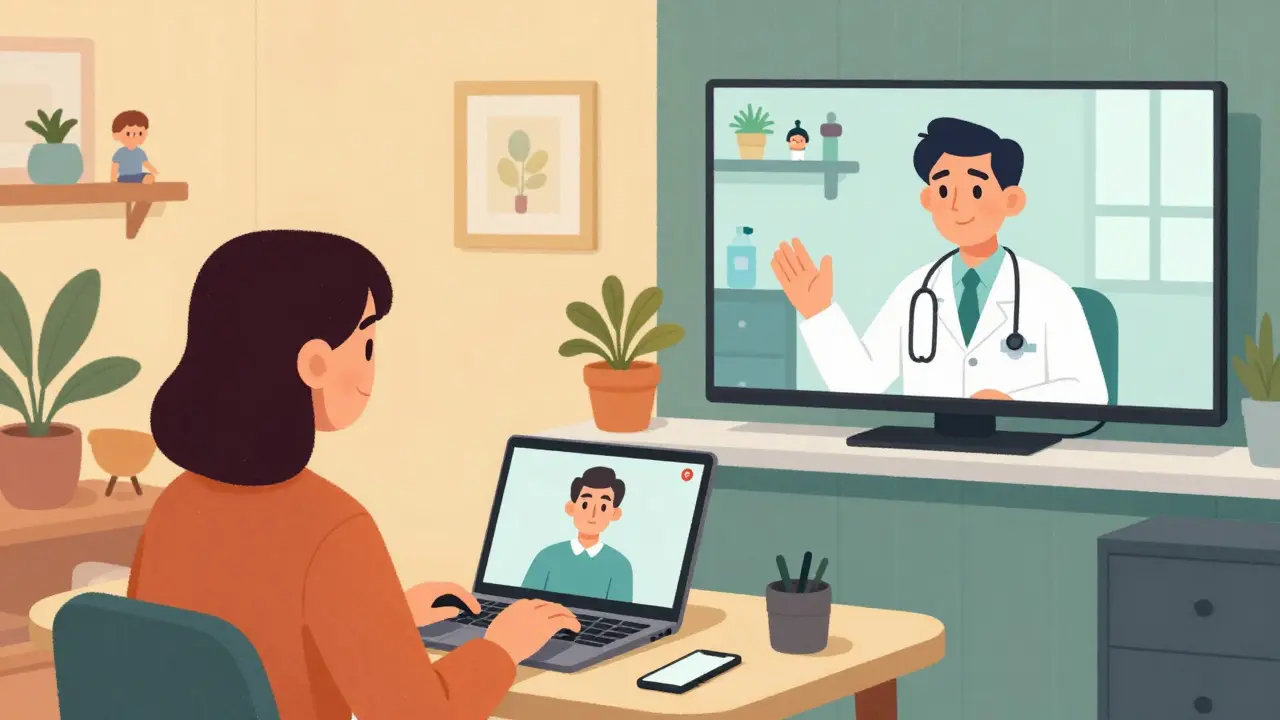
The crisis did force some positive changes. Healthcare systems had to find ways to treat addiction remotely. Telehealth Services Medical consultations delivered via video or phone technology instead of in-person visits. went from a novelty to a necessity overnight. For those needing medication for opioid use disorder, getting a prescription without traveling became vital. In February 2020, only 13% of buprenorphine prescriptions came through telehealth channels. By April, that shot up to 95%. The government relaxed rules, allowing doctors to prescribe controlled substances by telephone and let patients take more methadone home doses.
This shift saved lives, especially for Medicare beneficiaries. Research shows expanded remote access reduced fatal overdose risks. But there was a catch. Not everyone has a smartphone or stable internet. Older adults and rural residents faced a "digital divide." If you live in an area with poor connectivity, your life might depend on a clinic visit you cannot attend due to lockdowns. Behavioral healthcare utilization dropped 75% for privately insured individuals in the summer of 2020. While virtual visits rose, traditional group meetings and counseling sessions vanished for months. You can take a pill online easily, but recovering from addiction often needs human connection.
Policy Responses and Future Security
The FDA Food and Drug Administration, the federal agency responsible for regulating food and drugs. had to act fast to stop the bleeding on the pharmaceutical side. They started talking directly with manufacturers and prioritized inspections of critical facilities. After May 2020, shortage rates dipped back toward normal levels. However, researchers warned us that these improvements were temporary fixes, not cures. The root causes-economic incentives favoring cheap imports and lack of domestic redundancy-remained. Legislative action eventually followed, with transparency laws added to the National Defense Authorization Act in 2023. These laws aim to map exactly where ingredients come from so we aren't blindsided again.
Harm reduction groups also pivoted. Needle exchange programs set up drive-through services to maintain contact without risk. Organizations distributed more naloxone kits to reverse overdoses before emergency help arrived. The Boston Public Health Commission distributed 30% more kits in 2020 than the year prior. These local efforts filled gaps left by policy delays. Yet, experts stress that until we address the social determinants of health-housing, poverty, and mental wellness-the underlying drivers of substance misuse will persist regardless of supply chain tweaks.
Lessons Learned for Today
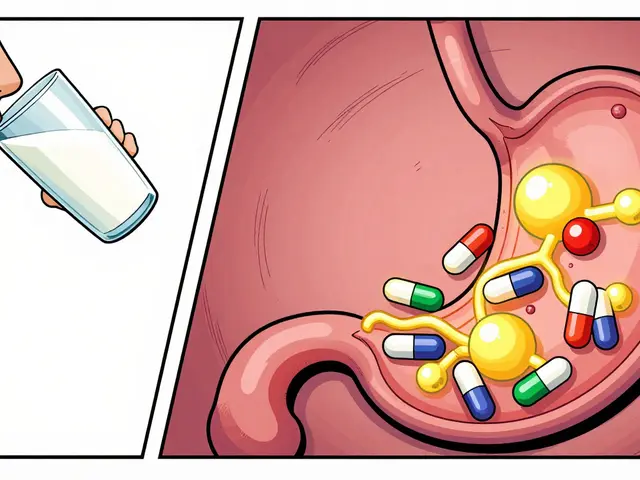
As we look back from 2026, the picture is mixed. We have learned to build buffer stocks for essential drugs, but the geopolitical landscape makes global shipping unpredictable. Patients are more aware of the fragility of their medication access. If your pharmacy has trouble ordering a specific brand, it helps to ask for a therapeutic alternative earlier rather than waiting until the bottle is empty. For those dealing with addiction recovery, knowing that telehealth remains a permanent option provides a safety net. The pandemic taught us that availability isn't guaranteed; it requires constant vigilance and resilient planning.
Did drug shortages go away after the pandemic?
Yes, for the most part. Statistics show that pharmaceutical shortages returned to pre-pandemic levels after May 2020. However, experts note that supply chain vulnerabilities still exist and require ongoing policy monitoring to prevent future spikes.
How did COVID affect addiction treatment?
It created a split effect. Telehealth made prescriptions like buprenorphine easier to get remotely. However, in-person support services and counseling groups saw a massive drop in attendance due to lockdowns and travel restrictions.
Were overdose rates higher during the pandemic?
Significantly higher. CDC data indicates a rise from roughly 77,000 deaths in 2019 to nearly 98,000 deaths by early 2021. This surge was linked to isolation and the presence of unregulated substances like fentanyl in the drug supply.
Which drugs were most likely to run out?
Critical care medications, antibiotics, and generic drugs were most affected. Essential medicines for chronic conditions, such as insulin and blood pressure regulators, also saw frequent reporting of availability issues during the peak months.
Is telehealth still used for addiction care?
Yes, regulations relaxed during the crisis remained in place for many providers. Virtual prescribing allows patients to continue treatment without frequent clinic trips, improving retention rates for many programs.
12 Comments

Cara Duncan
April 1, 2026 at 09:20 AM
That statistic about virtual visits rising is so hopeful for everyone affected 💖 🌻 I really wish we could have had this access sooner during the early lockdown days. It is amazing to see how systems adapted so quickly despite the chaos 🙏 ❤️.

Rocky Pabillore
April 2, 2026 at 16:46 PM
Most people think modern logistics are bulletproof and fail to realize the inherent weaknesses. But travel restrictions proved otherwise very quickly once borders closed completely. We ignored the warning signs for decades while prioritizing profit margins over security. The reliance on overseas manufacturing hubs was always a massive gamble. When factories shut down the inventory buffers evaporated instantly without preparation. It is embarrassing how unprepared the system actually remained for such an event. Generic medications suffered the most during those dark lockdown months. Patients rationing insulin shows exactly where leadership failed completely in their planning. The statistics on supply issues were obvious but largely ignored by policymakers worldwide. Relying on global shipping without backup plans is inherently risky behavior for nations. By May 2020 things calmed slightly but the underlying damage persisted through the year. People realized too late that domestic redundancy matters significantly for survival. Economic incentives favoring cheap imports are the true root causes of these shortages. Legislative action followed eventually but transparency laws came far too late for victims. We need to map exactly where ingredients come from to avoid repetition of this disaster. Until we address housing and poverty the social determinants remain unchanged for users. The scars on our healthcare infrastructure are visible even today in 2026.

Christopher Beeson
April 3, 2026 at 12:04 PM
It creates a tragic narrative where isolation breeds dependency on dangerous substances. The market adapts but adaptation comes with death tolls nobody expects. Traditional supply lines got severed forcing dealers to move faster or use inputs available. This led to higher contamination rates which terrified communities everywhere. Mobility restrictions meant fewer people could go to detox centers or needle exchanges. Users were left vulnerable in isolation without support networks nearby. The numbers tell a clear story about human cost versus economic efficiency.

Sharon Munger
April 5, 2026 at 09:16 AM
I agree with your assessment on systemic flaws completely.

Arun Kumar
April 5, 2026 at 13:55 PM
We often forget that the impacts stretch far beyond the immediate patient experience globally. From my perspective in India similar supply chain disruptions caused confusion among local providers too. Community health workers struggled to maintain consistency during the peak shortage periods. It brings up a need for broader cooperation between nations to share resources effectively. We must prioritize stability in essential drug delivery for all populations regardless of borders. Understanding this history helps us build resilience against future pandemics effectively.

Jenny Gardner
April 7, 2026 at 10:18 AM
Yes! The generic medications and critical care drugs were hit hard indeed!! It is absolutely clear that relying on overseas manufacturing hubs without backup plans was risky!! We need to learn from these mistakes urgently!!!

Eleanor Black
April 8, 2026 at 20:53 PM
As I reflect upon the surge in overdose deaths it becomes clear that compassion was often lost. The CDC tracked death data showing a terrifying trend of nearly ninety-eight thousand American lives lost. Isolation cut people off from vital support networks during the darkest times. Traditional supply lines got severed forcing dealers to move faster or use whatever chemical inputs were available. This unfortunately led to higher contamination rates within the illicit drug market. Many users who relied on regular habits suddenly encountered fentanyl-laced products unexpectedly. One gram of a powder someone trusted could kill them without prior warning. Behavioral healthcare utilization dropped significantly for privately insured individuals in the summer of 2020. While virtual visits rose traditional group meetings and counseling sessions vanished for months. You can take a pill online easily but recovering from addiction often needs human connection. These insights require us to look deeper into the social determinants of health issues.

Julian Soro
April 9, 2026 at 09:15 AM
Harm reduction groups also pivoted to help fill gaps left by policy delays efficiently. Needle exchange programs set up drive-through services to maintain contact without risk. Organizations distributed more naloxone kits to reverse overdoses before emergency help arrived. These local efforts filled gaps left by policy delays nicely during the crisis. We can be proud of how organizations responded with creativity under pressure. Keep up the great work everyone involved in recovery support.

Cullen Zelenka
April 10, 2026 at 02:04 AM
Future security depends on mapping exactly where ingredients come from so we are not blindsided again. Transparency laws aim to prevent spikes in shortages like we saw in early 2020. We have learned to build buffer stocks for essential drugs now. If your pharmacy has trouble ordering a specific brand it helps to ask for a therapeutic alternative earlier. For those dealing with addiction recovery knowing that telehealth remains a permanent option provides a safety net. The pandemic taught us that availability is not guaranteed but we are learning to plan resiliently.

Owen Barnes
April 10, 2026 at 22:13 PM
Policymakers need to act fast to stop the bleeding on the pharmaceautical side of things. They started talking directly with manufacteres and pirtionized inspections of critical facilites. After May 2020 shortage rates dipped back toward normal levles finally. However resarchers warned us that these improvements were temporary fixes not cures. The root causes remanied same due to lack of domistic redundency. We shuld focus on transparency laws added to the National Defense Authorization Act in 2023. These laws aim to map exaclty where ingredients come from so we aren't blindsided agian.

Russel Sarong
April 11, 2026 at 22:07 PM
The impact on society was truly devastating and we must never forget the lessons learned!!!! As isolation cut people off from support networks overdose deaths skyrocketed in record numbers!!! States like West Virginia saw increases topping fifty percent in just one year!!!!! This surge was linked to isolation and the presence of unregulated substances like fentanyl in the drug supply!!!!! We must honor the victims by ensuring better healthcare infrastructure moving forward!!!!!!!
James DeZego
April 1, 2026 at 01:37 AM
The data regarding telehealth expansion is truly remarkable this time around :) Seeing buprenorphine prescriptions jump from 13 percent to 95 percent shows real dedication to keeping patients safe. It reminds us that technology can bridge gaps when physical clinics close their doors entirely. Remote access reduced fatal risks significantly according to the research shared above. We should continue supporting these policies because they literally saved lives during the crisis. Thanks for sharing such clear information!