C. Difficile Symptom & Risk Checker
Disclaimer: This tool is for educational purposes only and is not a medical diagnosis. If you suspect a C. diff infection, contact your healthcare provider immediately.
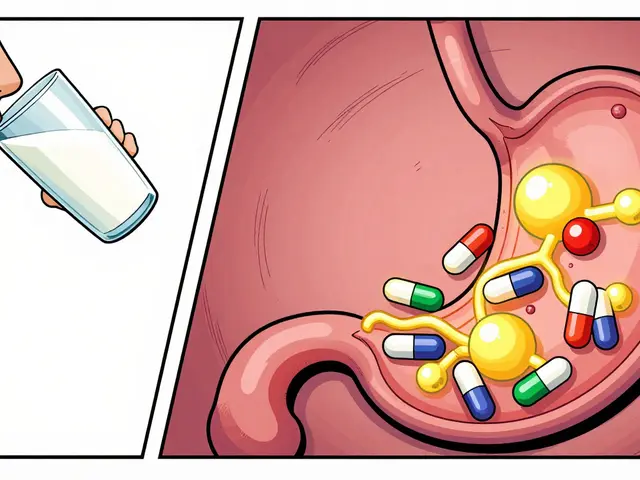
Taking a strong antibiotic can clear up an infection, but it can also leave your gut vulnerable. If you've been prescribed Clindamycin is a potent antibiotic used primarily for serious bacterial infections of the skin, soft tissue, and dental area. While it's incredibly effective, it carries a well-documented risk: it is one of the most likely antibiotics to trigger a C. difficile infection, often called "C. diff."
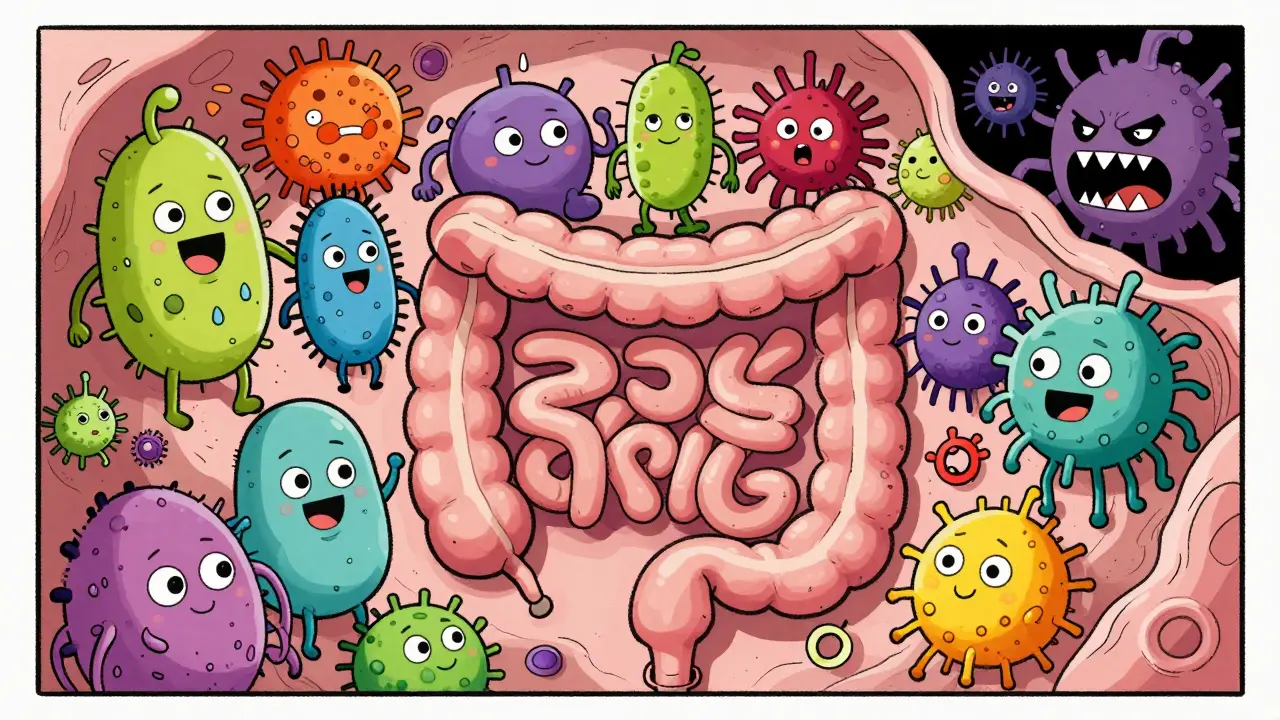
The problem isn't the drug itself, but how it interacts with your internal ecosystem. Your gut is home to billions of good bacteria that keep harmful germs in check. Clindamycin is broad-spectrum, meaning it kills a wide range of bacteria. When it wipes out the "good guys," a hardy bacterium called Clostridioides difficile can move in and take over. Once it dominates your gut, it releases toxins that attack the lining of your colon, leading to severe inflammation and diarrhea. Because clindamycin stays in your digestive tract longer than some other drugs, the window for this imbalance is wider.
Why Clindamycin Increases Your Risk
Not all antibiotics are created equal when it comes to your gut. Some, like doxycycline, have a relatively low impact on your microbiome. Clindamycin, however, is often cited by experts as the highest-risk option for developing C. difficile risk. This is because it creates a "permissive environment"-essentially an empty neighborhood where C. diff can grow without competition.
You don't have to be in a hospital to experience this. While we often hear about "healthcare-associated" infections, a significant number of cases are community-acquired. This often happens after people take clindamycin for a tooth abscess or a skin infection. In some rare and susceptible cases, even a single dose of the medication can be enough to trigger the process.
| Antibiotic Type | Relative Risk Level | Common Use Case |
|---|---|---|
| Clindamycin | Very High | Dental/Skin Infections |
| Cephalosporins | High | Respiratory/Urinary Tract |
| Fluoroquinolones | Moderate to High | Complex UTIs/Pneumonia |
| Doxycycline | Low | Acne/Lyme Disease |
Spotting the Early Warning Signs
The trickiest part about C. diff is that early symptoms look like a common stomach bug. You might think you just ate something bad or that the antibiotic is simply "upsetting your stomach." However, C. diff is a serious infection that requires specific medical treatment-standard anti-diarrheal meds can actually make it worse by trapping the toxins inside your colon.
Keep an eye out for "unformed stools." Instead of just frequency, look at the consistency. If your stools are consistently watery or take the shape of the container, it's a red flag. The typical timeline for symptoms to appear is between 5 to 10 days after starting clindamycin, but it can happen as early as day one or as late as 12 weeks after you've finished your prescription.
Pay close attention if you fall into a high-risk group. If you are over 65, have a weakened immune system, or have had C. diff in the past, your threshold for concern should be lower. For these individuals, just 24 hours of loose stools is enough reason to call a doctor.

When to Seek Urgent Care
Knowing when to move from "monitoring" to "emergency room" can be life-saving. There is a severe form of this infection called fulminant colitis, where the colon becomes dangerously distended (megacolon) or even perforates. This is a medical emergency.
You should seek immediate care if you experience any of the following:
- High Fever: A temperature climbing above 101.3°F (38.5°C).
- Stool Changes: Seeing blood or pus in your bowel movements.
- Severe Pain: Intense abdominal cramping or tenderness that doesn't go away.
- Dehydration: Very dark urine, a dry mouth, or feeling dizzy when you stand up.
Timing is everything. Data shows that patients who wait more than 72 hours from the start of symptoms to seek help have significantly higher rates of complications, including the need for surgery (colectomy) and a much higher risk of mortality. If you're in doubt, it is always better to call your provider early.

Managing the Aftermath and Prevention
If you are diagnosed with C. diff, your doctor will likely switch you to a different antibiotic, such as Vancomycin or Fidaxomicin. These are designed to target the C. diff bacteria specifically without further destroying your remaining gut flora.
For those who suffer from recurrent infections-where the diarrhea returns shortly after treatment-new options have emerged. The FDA recently approved VOWST, which uses purified bacterial spores to help restore the gut's natural balance. This is a safer, standardized alternative to the older practice of fecal microbiota transplantation.
To lower your risk while taking clindamycin, ask your doctor if there is a "microbiome-sparing" alternative available for your specific infection. In some cases, drugs like trimethoprim-sulfamethoxazole might be just as effective for a skin infection but far gentler on your digestive system. If clindamycin is the only option, stay vigilant about your symptoms and prioritize hydration.
Can I take Imodium or Pepto-Bismol if I have diarrhea while on Clindamycin?
No, you should avoid over-the-counter anti-diarrheal medications if you suspect C. diff. These drugs slow down the movement of your intestines, which can trap the C. diff toxins inside your colon and lead to a more severe, life-threatening condition called toxic megacolon. Always consult your doctor before using these products during antibiotic therapy.
How soon after finishing Clindamycin can C. diff develop?
While many people develop symptoms during the course of the medication, C. diff can appear up to 12 weeks after you stop taking the antibiotic. This happens because the disruption to your gut bacteria lasts long after the drug has left your system, leaving a window of opportunity for the harmful bacteria to proliferate.
Is C. diff contagious to other family members?
Yes. C. diff produces spores that are highly resistant to common cleaners and hand sanitizers. They can survive on surfaces like doorknobs and countertops for a long time. The best way to prevent spread is by washing your hands thoroughly with soap and water, as alcohol-based sanitizers do not effectively kill C. diff spores.
Does everyone who takes Clindamycin get C. diff?
No. While clindamycin has the highest risk among antibiotics, the absolute risk for any single patient remains relatively low-estimated at around 1-2% of courses. Most people tolerate the medication without developing a systemic C. diff infection, but the severity of the potential complication is why healthcare providers monitor it so closely.
What is the difference between regular antibiotic diarrhea and C. diff?
Regular antibiotic-associated diarrhea is often mild and resolves shortly after the medication ends. C. diff is a specific bacterial infection that causes inflammation of the colon (colitis). C. diff typically involves more severe cramping, a distinct foul smell, and a higher likelihood of fever and mucus or blood in the stool.