
Allergic Reaction Emergency: What to Do When It Strikes
When your body overreacts to something harmless—like peanuts, bee stings, or even a new pill—it can trigger an allergic reaction emergency, a sudden, life-threatening immune response that demands immediate action. Also known as anaphylaxis, this isn’t just a rash or a stuffy nose. It’s your body going into shock, and every minute counts. You might feel your throat closing, your skin breaking out in hives, or your blood pressure dropping. It doesn’t wait for a doctor’s appointment. It hits while you’re eating lunch, walking the dog, or driving home.
Most people who’ve had a serious allergic reaction know the warning signs: swelling of the lips or tongue, trouble breathing, dizziness, or a sudden feeling of doom. But many don’t realize how quickly things can turn dangerous. A study in the Journal of Allergy and Clinical Immunology found that over half of anaphylaxis deaths happened within 30 minutes of exposure. That’s why carrying an epinephrine auto-injector, a handheld device that delivers a life-saving dose of adrenaline isn’t optional—it’s your best shot at survival. Brands like EpiPen and Adrenaclick are common, but what matters is having one nearby and knowing how to use it. Even if you’re not sure it’s an allergic reaction, better to use it and be safe than wait and regret it.
Antihistamines like Benadryl might help with mild itching or hives, but they won’t stop anaphylaxis. They’re not a substitute. If you’re having trouble breathing, your tongue is swelling, or you feel faint, epinephrine is the only thing that works fast enough. And after you use it, you still need to go to the ER. The reaction can come back—sometimes worse—hours later. That’s called a biphasic reaction, and it’s why you can’t just go home and rest.
What triggers these emergencies? Common ones include foods like peanuts, shellfish, and eggs; insect stings from bees or wasps; and certain medications like penicillin or NSAIDs. But triggers can be surprising—latex gloves, food additives, even exercise after eating a trigger food. If you’ve had one reaction, you’re at higher risk for another. That’s why seeing an allergist isn’t just a good idea—it’s critical. They can test you, help you avoid triggers, and give you a personalized emergency plan.
Parents of kids with allergies, travelers, and anyone with a history of hives or asthma should keep an emergency kit handy. Know where your epinephrine is. Teach your family how to use it. Write down your triggers and keep them visible. And if you’ve ever had a reaction that made you feel like you couldn’t breathe, don’t ignore it. That wasn’t just bad luck—it was your body screaming for help.
Below, you’ll find real-world guides on how to recognize early signs, what meds to avoid, how antihistamines really work, and what to do when the usual treatments fail. These aren’t theory pieces—they’re tools from people who’ve lived through it. You’re not alone. And with the right info, you can be ready when it happens again.
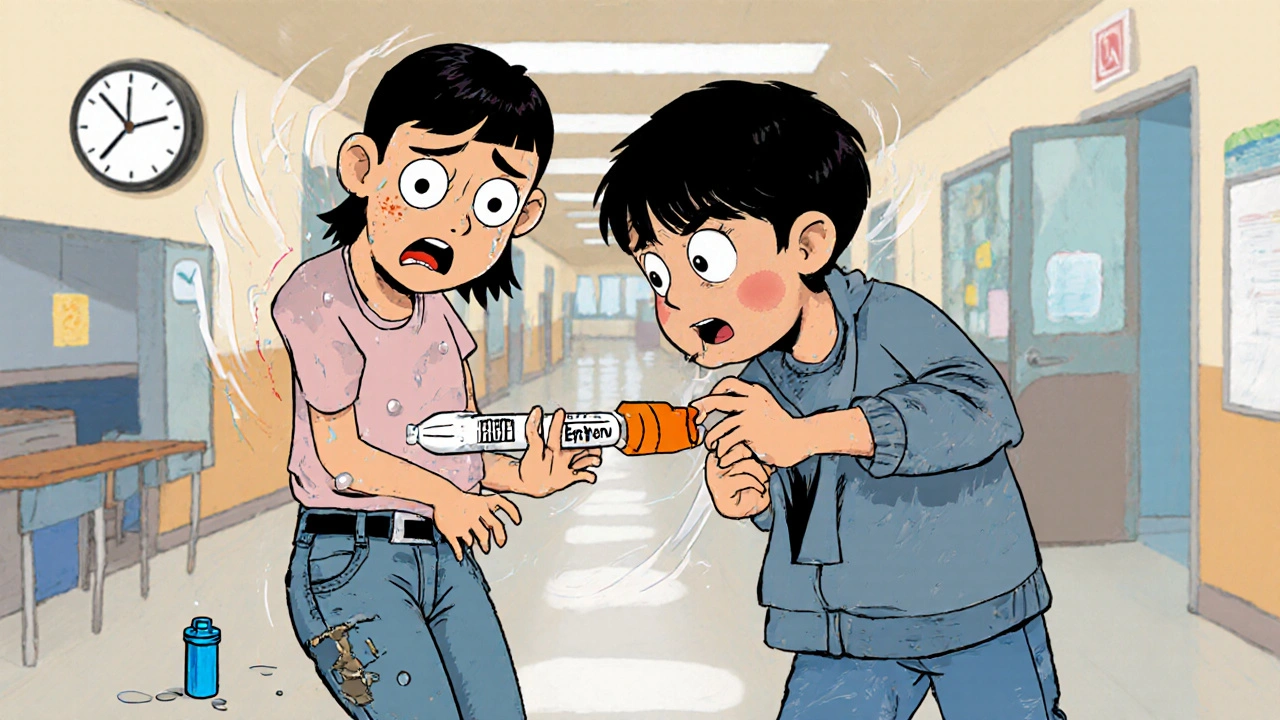
How to Use an Epinephrine Auto-Injector During an Anaphylactic Reaction
Learn how to use an epinephrine auto-injector during a life-threatening allergic reaction. Step-by-step guide for EpiPen, Auvi-Q, and other brands with tips to avoid common mistakes and save lives.
View More