
Anaphylaxis Treatment: What Works, What to Avoid, and When to Act
When your body overreacts to something harmless—like peanuts, bee stings, or medication—it can trigger anaphylaxis, a sudden, life-threatening allergic reaction that affects multiple body systems. Also known as anaphylactic shock, it doesn’t wait for permission to escalate. Without fast treatment, breathing stops, blood pressure crashes, and death can follow in minutes. This isn’t just a bad allergy—it’s a medical emergency that demands immediate action.
The only medication that stops anaphylaxis in its tracks is epinephrine, a hormone that reverses airway swelling, raises blood pressure, and calms the immune system’s runaway response. Antihistamines like Benadryl? They help with itching or hives, but they won’t save your life if your throat is closing. Many people think taking a pill is enough—they’re wrong. Epinephrine works in seconds. Everything else is backup. If you or someone you know has a history of severe allergies, carrying an epinephrine auto-injector, a simple device that delivers a precise dose with one click isn’t optional—it’s as essential as a seatbelt.
Knowing the signs makes the difference between panic and action. Swelling in the mouth or throat, wheezing, sudden dizziness, vomiting, or a feeling that something is terribly wrong—these aren’t just discomforts. They’re red flags. And time matters. The sooner epinephrine is given, the better the outcome. Delaying even 10 minutes can turn a treatable reaction into a fatal one. That’s why doctors stress: use it first, then call 911. Even if symptoms seem to improve after the shot, you still need emergency care. A second wave can hit hours later.
Some people avoid using their auto-injector because they’re scared of the needle, or they think it’s overkill. Others keep it in a hot car or a drawer where it expires unnoticed. These mistakes cost lives. Epinephrine doesn’t expire on the day stamped—it loses potency over time. Check the expiration date every six months. Replace it if it looks cloudy or has particles. Practice with a trainer device so your hands know what to do before panic sets in. Teach your family, coworkers, even your kids. Anaphylaxis doesn’t care if you’re alone at the grocery store or on a plane. It only cares if someone knows how to respond.
What you’ll find in the posts below isn’t theory—it’s real-world guidance from people who’ve lived through this. You’ll see how antihistamines are misused in emergency settings, why some people get false reassurance from steroids, and what actually happens in the ER after an injection. You’ll learn how to read labels to avoid hidden allergens, why some medications trigger reactions in unexpected ways, and how to build a safety plan that works when you’re not at home. This isn’t about fear. It’s about being ready.
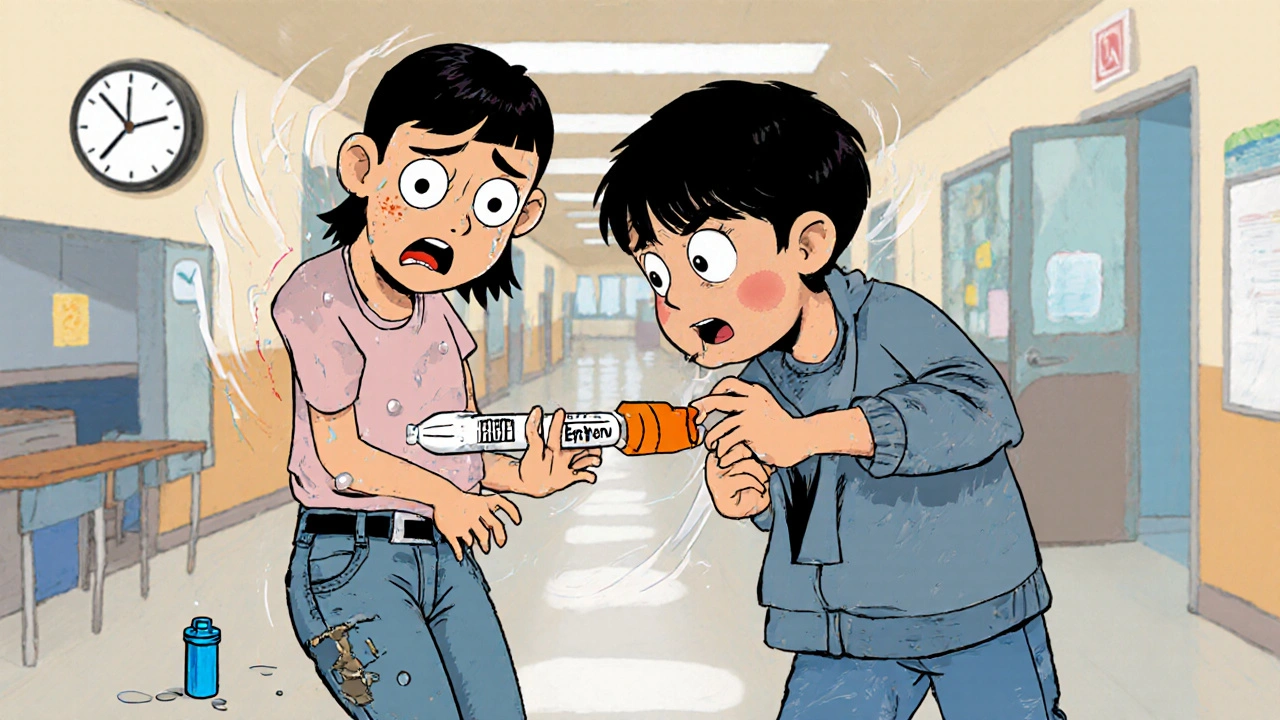
How to Use an Epinephrine Auto-Injector During an Anaphylactic Reaction
Learn how to use an epinephrine auto-injector during a life-threatening allergic reaction. Step-by-step guide for EpiPen, Auvi-Q, and other brands with tips to avoid common mistakes and save lives.
View More