
Epinephrine Auto-Injector: What It Is, When You Need It, and How It Saves Lives
When your body goes into anaphylaxis, a sudden, life-threatening allergic reaction that shuts down breathing and drops blood pressure. Also known as anaphylactic shock, it can strike in seconds after eating, being stung, or taking a medication. Without quick action, it can kill. That’s where the epinephrine auto-injector, a handheld device that delivers a precise dose of epinephrine to reverse severe allergic reactions. Common brands include EpiPen and Adrenaclick comes in. It’s not a cure — it’s a bridge to emergency care. And for people with known severe allergies, it’s the difference between life and death.
Epinephrine works fast. It tightens blood vessels to raise blood pressure, relaxes airway muscles so you can breathe, and blocks the chemicals that cause swelling and hives. But it only lasts 10 to 20 minutes. That’s why you must call 911 even after using it. The reaction can come back — harder. People with asthma, heart conditions, or a history of severe reactions are at higher risk. Kids with peanut allergies, adults with bee sting allergies, and anyone who’s had a prior anaphylactic episode should carry one. And if you’re unsure whether you need one, talk to your doctor. Many people think they’re fine because they’ve never had a big reaction — until they do.
Using the device is simple, but people often delay because they’re scared, confused, or think it’s "not that bad." That’s deadly. The device clicks, you hold it against the outer thigh (through clothing if needed), and hold for 3 seconds. No needles to aim. No mixing. No guesswork. It’s designed for anyone — even a child or someone with shaky hands. If you’re caring for someone with allergies, practice with a trainer pen. Know where it’s stored. Check the expiration date. Replace it if it’s discolored or cloudy. Schools, workplaces, and airlines now keep them on hand — because emergencies don’t wait.
You’ll find posts here that cover how epinephrine fits into broader medication safety, what happens when it’s used incorrectly, and how other drugs can interfere with its effects. Some posts look at drug interactions that raise anaphylaxis risk. Others explain how to recognize early signs of a reaction before it becomes critical. There’s advice on managing allergies long-term, when to switch from one auto-injector to another, and how to talk to doctors about prescriptions. This isn’t just about carrying a pen — it’s about understanding your body, knowing your triggers, and acting before it’s too late.
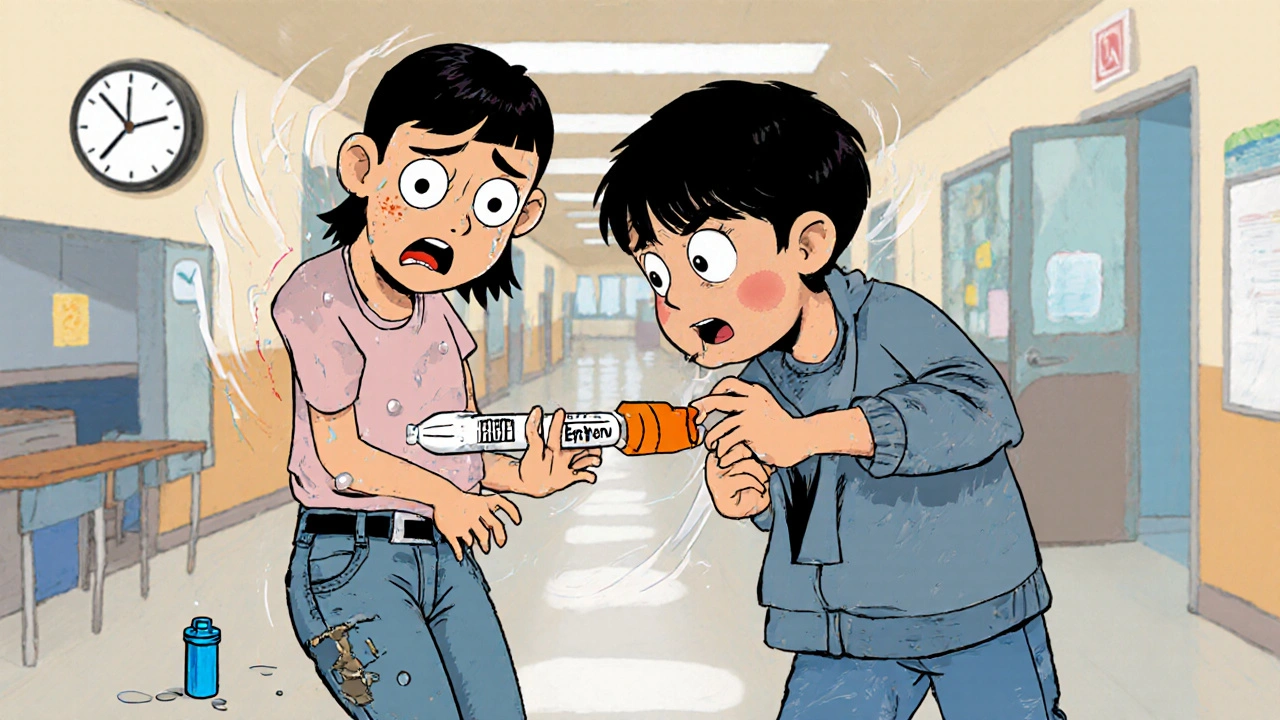
How to Use an Epinephrine Auto-Injector During an Anaphylactic Reaction
Learn how to use an epinephrine auto-injector during a life-threatening allergic reaction. Step-by-step guide for EpiPen, Auvi-Q, and other brands with tips to avoid common mistakes and save lives.
View More