
EpiPen Use: How to Recognize an Allergic Emergency and Act Fast
When someone has a EpiPen, a handheld auto-injector that delivers epinephrine to stop a life-threatening allergic reaction. Also known as an epinephrine auto-injector, it’s not just a device—it’s a critical tool for people with severe allergies to foods, insect stings, or medications. Every second counts when anaphylaxis hits. Swelling in the throat, trouble breathing, a sudden drop in blood pressure, or a feeling of doom aren’t just scary—they’re medical emergencies. And the only thing that can reverse this fast enough is epinephrine delivered right away.
EpiPen use isn’t optional for those at risk. It’s a must. But using it correctly matters just as much as having it on hand. Many people wait too long because they think the reaction will pass, or they’re afraid of the needle. But delaying epinephrine can mean the difference between recovery and death. The anaphylaxis symptoms, a severe, whole-body allergic reaction that can kill within minutes don’t always start with a rash. Sometimes they begin with a metallic taste, a tingling tongue, or a sudden feeling of warmth. Kids might just say they feel "weird." Adults might think it’s heartburn. That’s why knowing the full list is key.
After you use an EpiPen, you still need to call 911. The medicine works fast, but it doesn’t last long. Symptoms can come back worse after 10 to 20 minutes. That’s why you can’t skip the ER. And if you’re caring for someone with allergies, you need to practice with a trainer pen—just like you’d practice fire drills. Keep one at home, one at school, one in your bag. Don’t let it expire. Check the color of the liquid inside—clear is good, brown or cloudy means it’s bad.
Some people think antihistamines like Benadryl are enough. They’re not. They help with itching or hives, but they won’t stop airway swelling or low blood pressure. Only epinephrine does that. That’s why EpiPen use is the gold standard. It’s simple: remove the cap, jab it into the outer thigh, hold for 3 seconds. You don’t need to see the vein. You don’t need to aim perfectly. The thigh works because it’s thick, accessible, and has good blood flow. Even through jeans, it delivers the dose.
Parents, teachers, coworkers—everyone around someone with severe allergies should know how to use an EpiPen. You don’t need to be a doctor. You just need to be ready. And if you’re the one with the allergy, don’t hide it. Wear a medical ID. Tell people. Practice with your family. The more normal it feels, the less panic there’ll be when it’s needed.
Below, you’ll find real-world advice from people who’ve lived through allergic emergencies, guides on recognizing early signs, and what to do after the shot. No fluff. No guesswork. Just clear, tested steps to keep you or someone you love safe.
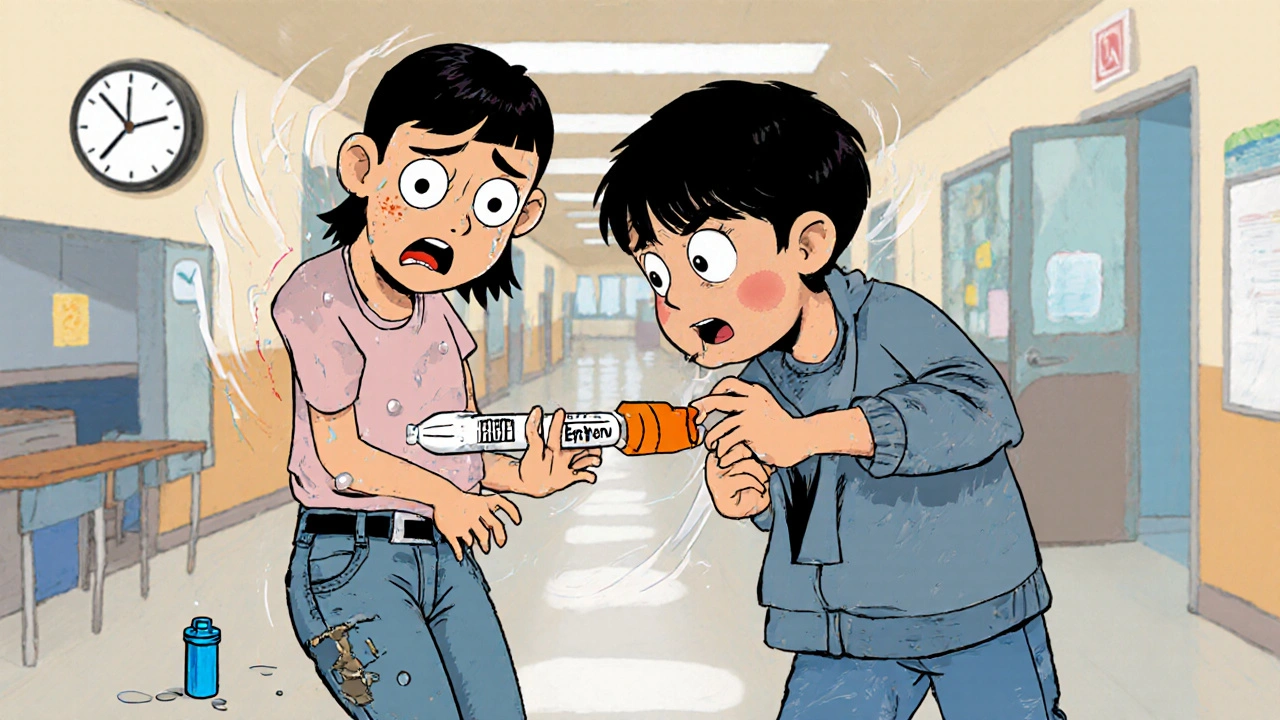
How to Use an Epinephrine Auto-Injector During an Anaphylactic Reaction
Learn how to use an epinephrine auto-injector during a life-threatening allergic reaction. Step-by-step guide for EpiPen, Auvi-Q, and other brands with tips to avoid common mistakes and save lives.
View More