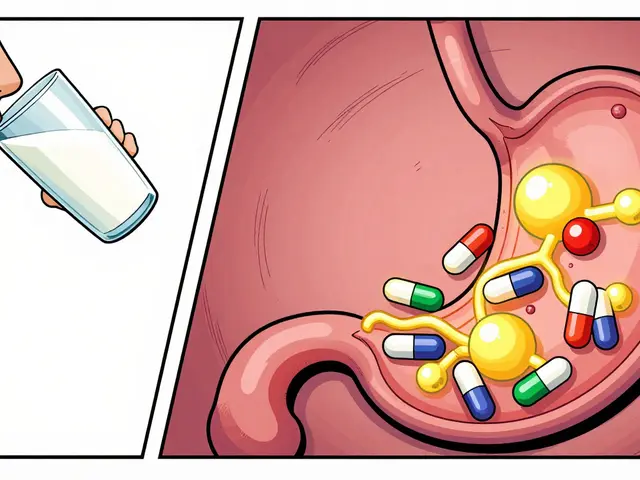
Medication Expiration: What Really Happens When Pills Go Bad
When you see an medication expiration, the date printed on a drug label that indicates when the manufacturer guarantees full potency and safety. Also known as use-by date, it’s not just a marketing trick—it’s a legal requirement backed by real stability testing. Most people assume expired medicine turns toxic, but the truth is simpler: it usually just loses strength. A FDA study found that 90% of tested drugs, even 15 years past their expiration, were still effective. That doesn’t mean you should take every old pill, though. Some drugs degrade in ways that matter—like insulin, nitroglycerin, or liquid antibiotics—where even small drops in potency can be dangerous.
How your meds are stored plays a bigger role than the date on the bottle. Heat, moisture, and light break down pills faster than time alone. Keep your antibiotics in a cool, dry cabinet, not the bathroom where steam from showers ruins them. Toss anything that looks discolored, smells weird, or crumbles easily—even if it’s within date. drug potency, how strong a medication still is after being stored isn’t just about the expiration date; it’s about conditions. A bottle of ibuprofen in your car on a 90-degree day might be useless by summer’s end, no matter what the label says.
medicine safety, whether a drug remains safe to consume after its labeled date depends on the type. Solid pills like aspirin or acetaminophen are generally stable for years beyond expiration if kept dry. But liquid suspensions, eye drops, or injectables? Those can grow bacteria or break down into harmful compounds. And don’t forget: some drugs, like epinephrine in EpiPens, can lose effectiveness fast under heat. If you’re relying on it during an allergic reaction, that’s not a gamble you want to take.
There’s no universal rule for all meds, which is why the storage conditions, environmental factors like temperature, humidity, and light that affect how long a drug lasts matter more than the date. Your pharmacist can tell you which ones to toss right away and which might be okay if they’ve been kept well. The FDA’s Shelf Life Extension Program even found many military drugs remained effective decades past expiration—under controlled conditions. But your medicine cabinet isn’t a military warehouse.
So what should you do? Check the label first. If it’s a life-saving drug—like your heart medication, seizure control, or insulin—don’t risk it. Replace it. For over-the-counter pain relievers or allergy pills, if they’ve been stored properly and look normal, they’re probably fine. But if you’re unsure, or if it’s been years, just get a new one. It’s cheaper than a trip to the ER. Below, you’ll find real cases where expired meds caused harm, where they didn’t, and what the science actually says about how long your pills can be trusted.
Emergency Use of Sub-Potent Expired Medications: When It’s Safe and When It’s Not
Most expired medications are still safe and effective years past their date-but not all. Learn which drugs you can use in an emergency, which ones to avoid, and how to tell if they’re still good.
View More