
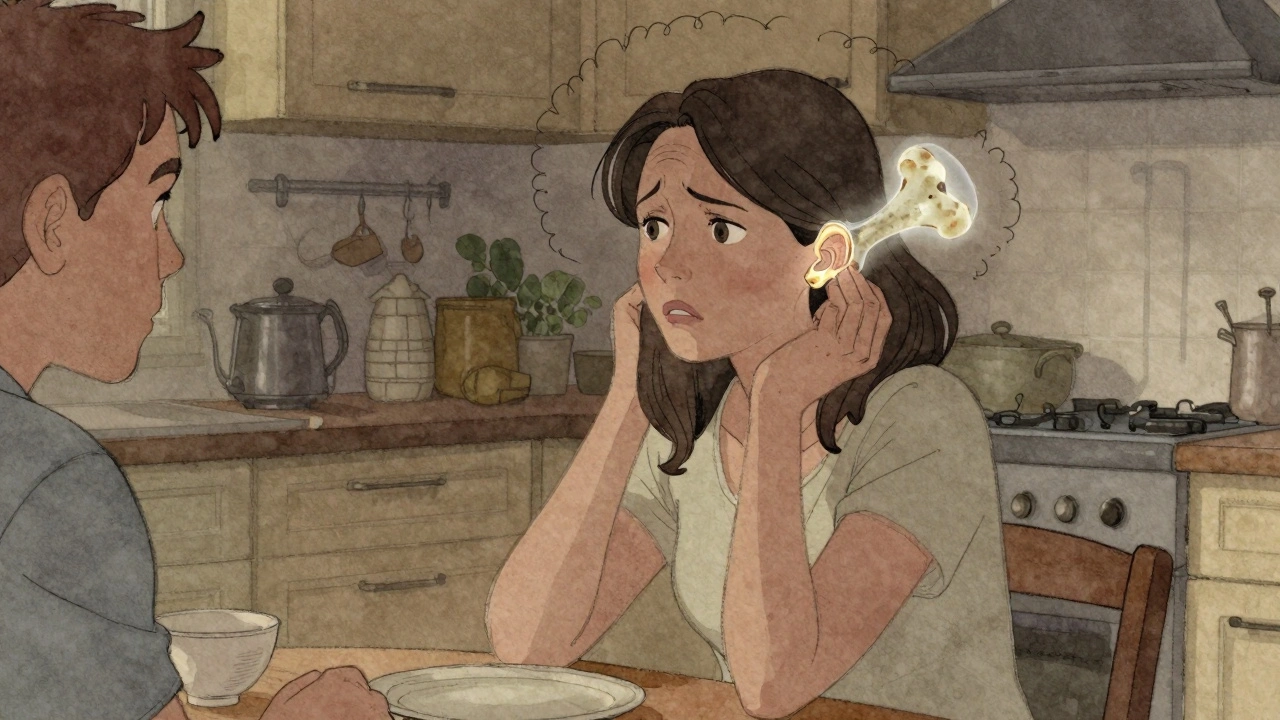
Imagine sitting across from your partner, listening to them speak, but the words feel muffled-like they’re talking through a pillow. You keep saying, "What?" They repeat themselves, louder this time. You start avoiding conversations. Phone calls become stressful. You don’t realize it yet, but your hearing isn’t just fading-it’s being blocked by abnormal bone growth inside your middle ear. This isn’t aging. It’s otosclerosis.
What Exactly Is Otosclerosis?
Otosclerosis is a condition where the tiny bones in your middle ear, especially the stapes, start growing abnormally. The stapes is the smallest bone in your body-only about 3.2 millimeters long. Its job is to vibrate and pass sound from the eardrum to the inner ear. But when otosclerosis kicks in, this bone fuses with the oval window, the gateway to your inner ear. It stops moving. Sound can’t get through properly. That’s why you hear less, especially low-pitched sounds.
This isn’t a tumor. It’s not infection. It’s bone remodeling gone wrong. Healthy bone is replaced by spongy, porous bone that eventually hardens into a rigid mass. Think of it like rust forming on a hinge-eventually, it locks in place. This process usually starts between ages 30 and 50, and it’s more common in women, especially during pregnancy when hormonal changes can speed up the bone growth.
Why Do You Lose Hearing With Otosclerosis?
Most people with otosclerosis notice a slow, steady drop in hearing-not sudden, not dramatic, but persistent. Unlike age-related hearing loss, which hits high pitches first (like birds chirping or children’s voices), otosclerosis targets low frequencies. You might struggle to hear a man’s voice, the hum of a refrigerator, or whispers. That’s because the stapes is responsible for transmitting lower-pitched sounds.
Audiometry tests show a clear pattern: an air-bone gap of 20 to 40 decibels. That means your ear can still detect sound through bone conduction (like when you hum), but air-conducted sound-what normally enters through your ear canal-isn’t reaching your inner ear. Speech discrimination usually stays strong, which is why you can still understand words when they’re loud enough, just not when they’re quiet.
In about 10 to 15% of cases, the abnormal bone growth spreads to the cochlea, the hearing organ in the inner ear. This causes sensorineural hearing loss, which is harder to treat. Once the inner ear is involved, hearing loss becomes permanent-even after surgery.
Who Gets Otosclerosis?
Otosclerosis doesn’t pick randomly. It runs in families. About 60% of people with the condition have at least one close relative who also has it. Researchers have found 15 genetic markers linked to otosclerosis, with the RELN gene on chromosome 7 being the strongest predictor. If your mother or sister has it, your risk jumps significantly.
It’s also more common in people of European descent. Studies show Caucasian populations have the highest rates-0.3% to 0.4%-while African populations have the lowest, around 0.1%. Women are affected twice as often as men, and pregnancy can trigger or worsen symptoms. Hormones like estrogen seem to fuel the abnormal bone growth, which is why many women notice hearing changes during or after pregnancy.
It’s not caused by loud noise, ear infections, or head trauma. It’s a genetic condition with environmental triggers. Some studies suggest measles virus exposure may play a role, but that’s still debated.

How Is It Diagnosed?
Most people don’t realize they have otosclerosis until they get a hearing test. Your doctor might suspect it if you have:
- Progressive hearing loss over months or years
- Difficulty hearing low voices or whispers
- No history of ear infections or noise exposure
- A family history of hearing loss
The gold standard test is pure-tone audiometry. It shows a conductive hearing loss pattern with a clear air-bone gap. Speech recognition scores are usually above 70%, meaning you understand speech well when it’s loud enough-another clue that the problem is mechanical, not neurological.
CT scans of the temporal bone can show early signs: small, radiolucent (dark) spots near the oval window, measuring 0.5 to 2.0 millimeters. These are areas where bone is breaking down and reforming. But not everyone needs a scan. If the audiogram is clear and symptoms match, doctors often skip imaging to avoid unnecessary radiation.
One big problem? Misdiagnosis. About 22% of patients are told they have Eustachian tube dysfunction or just "old ears"-and wait an average of 18 months before getting the right diagnosis. That delay means more bone growth, and worse outcomes later.
What Are the Treatment Options?
You have two main paths: hearing aids or surgery. Neither cures otosclerosis, but both restore hearing effectively.
Hearing aids are the first step for many. They amplify sound, especially low frequencies, and work well for mild to moderate hearing loss. About 65% of patients start here. They’re non-invasive, reversible, and avoid surgical risks. But they don’t stop the disease from progressing. If your hearing keeps dropping, you’ll need stronger aids-or surgery.
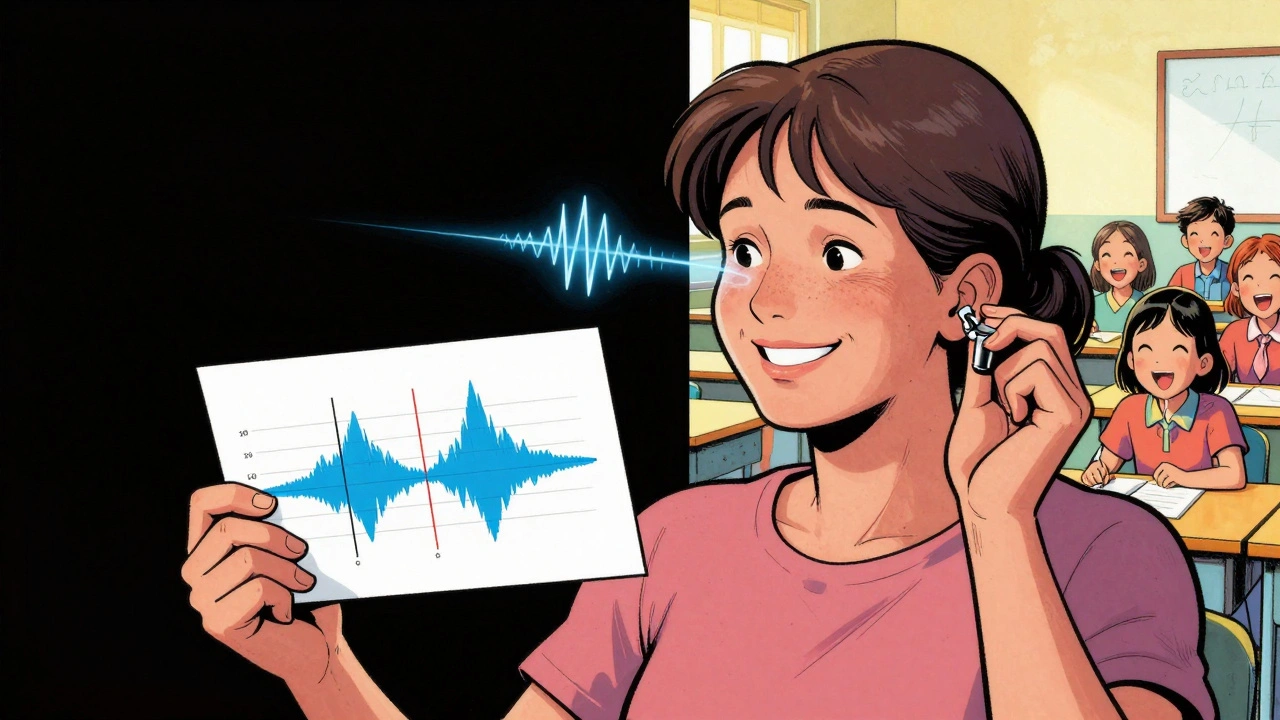
Surgery is the only way to fix the mechanical blockage. The standard procedure is a stapedotomy. Instead of removing the entire stapes (like in older stapedectomy), surgeons make a tiny hole (0.6-0.8 mm) in the footplate and insert a prosthetic piston made of titanium or Teflon. This piston connects the incus (another middle ear bone) to the inner ear, bypassing the fused stapes.
Success rates? Around 90-95%. In 87% of cases, patients achieve functional hearing-better than 30 dB after surgery. Most can hear normal conversation without aids. The FDA approved a new titanium-nitride coated prosthesis in March 2024 that reduces scar tissue formation, pushing success rates to 94% at one year.
But surgery isn’t risk-free. About 1% of patients suffer sudden, permanent sensorineural hearing loss. Tinnitus can worsen temporarily. Dizziness is common for a few days. Revision surgery-needed if the piston moves or fails-has lower success (75%) than the first attempt.
What About Medications?
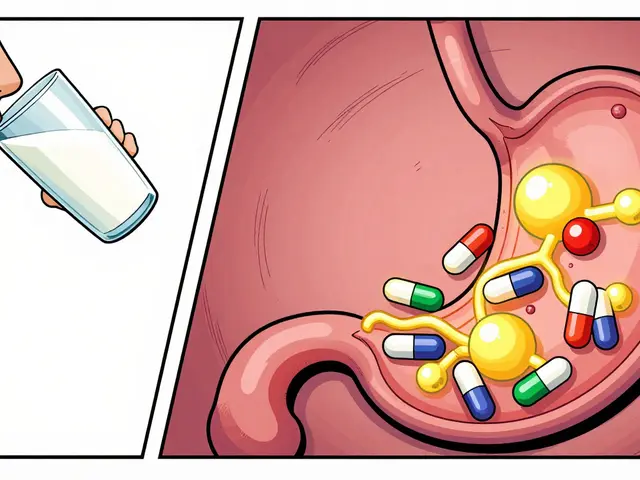
There’s no pill to dissolve the bone. But sodium fluoride, a mineral used in dental care, has shown promise. A 2024 double-blind study found patients taking sodium fluoride had a 37% slower rate of hearing decline over two years compared to those on placebo. It doesn’t reverse damage, but it can slow progression-especially useful for people with early-stage otosclerosis or those who aren’t ready for surgery.
It’s not a cure. It’s a delay tactic. Side effects include stomach upset and joint pain. It’s only recommended under specialist supervision.
What’s Life Like With Otosclerosis?
Patients describe it as isolation. One Reddit user, MamaBear87, said she thought her husband was mumbling-until her audiogram showed a 45 dB loss at 500 Hz. She realized he hadn’t changed; her ears had.
Tinnitus is another silent burden. Eighty percent of otosclerosis patients report ringing in their ears. One in three say it disrupts sleep. That’s not just noise-it’s exhaustion, anxiety, depression.
But outcomes after treatment are often life-changing. A 45-year-old teacher in Tampa reported she could finally hear students whispering in the back row after her stapedotomy. That’s not just hearing-it’s connection.
What’s the Future?
Researchers are working on genetic screening. Within five years, polygenic risk scores may identify high-risk individuals before symptoms appear. Imagine a simple blood test at age 20 that tells you your otosclerosis risk-and lets you start monitoring early.
But there’s a worrying trend: fewer surgeons are doing stapedotomies. Since 2018, the number of procedures has dropped 15% as younger otolaryngologists focus on cochlear implants and newer technologies. That means if you need surgery, you might have to travel farther to find an experienced surgeon.
Still, otosclerosis remains one of the most treatable causes of hearing loss. With early detection and the right intervention, most people go on to live full, connected lives. The key? Don’t wait. If your hearing has been fading slowly-especially if you’re a woman in your 30s or 40s with a family history-get tested. Your ears are trying to tell you something.
11 Comments

Mindy Bilotta
December 3, 2025 at 20:11 PM
My mom had this and didn’t know it for 7 years. They told her she was just ‘getting old.’ She finally got diagnosed after her hearing aid stopped helping. Stapedotomy changed her life. Now she’s back to talking to her book club without yelling. 🙌

Brian Perry
December 4, 2025 at 20:17 PM
Okay but what if this is all just a Big Pharma ploy to sell hearing aids and titanium pistons? I read on a forum that the FDA approved that new prosthesis because they got paid off by some German implant company. And sodium fluoride? That’s the same stuff they put in water to control the population. You think they’re really trying to help or just profit off our fear?

Chris Jahmil Ignacio
December 6, 2025 at 00:45 AM
Look I’ve been following this since 2019 when I got my first audiogram. The real issue isn’t the bone growth it’s the medical system’s refusal to test people early. You wait until you’re 45 and then suddenly you’re told you need surgery? That’s negligence. My cousin got misdiagnosed for 22 months like the article said. She’s got sensorineural damage now because no one listened. This isn’t medicine it’s a waiting game where you lose your hearing and your dignity.

Pamela Mae Ibabao
December 7, 2025 at 17:05 PM
Okay but can we talk about how weird it is that pregnancy makes this worse? Like, your body is literally building a fortress around your ear because you’re growing a human? It’s poetic in a terrifying way. Also I had tinnitus after my second kid and thought it was stress. Turns out it was otosclerosis creeping in. I’m on fluoride now. It’s gross but I’ll take it over silence.

Palanivelu Sivanathan
December 7, 2025 at 17:29 PM
Bro, this isn’t just a medical condition - it’s a metaphysical awakening. Your ear, this tiny temple of vibration, becomes a prison of bone. You hear the world muffled… and suddenly you realize how much noise you’ve been ignoring. The whispers you didn’t catch? The sighs you thought were just air? They were souls trying to reach you. Now you’re forced to listen - not with your ears, but with your soul. That’s why so many get tinnitus - it’s not a symptom, it’s the echo of your spirit screaming to be heard.

Erik van Hees
December 9, 2025 at 15:44 PM
Anyone else notice how the article says 60% have family history but doesn’t mention the fact that most people don’t even know their family’s hearing history? My dad had it, never told me. My sister got diagnosed at 38 - I’m 35 and haven’t been tested. I’m getting an audiogram tomorrow. If you’re reading this and you’re 30+ and your mom or grandma had hearing issues - go get checked. Don’t wait like I did.

Cristy Magdalena
December 11, 2025 at 09:21 AM
I just read this and started crying. Not because I have it - but because I didn’t know how many people were suffering in silence. I thought my husband was just tired of talking. Turns out he couldn’t hear me anymore. We’ve been married 12 years and I never realized he was drowning in quiet. He’s getting surgery next month. I’m so sorry I didn’t see it sooner.

May .
December 11, 2025 at 18:14 PM
So… hearing aids work? Cool. I’ll just get one. Done.

Sara Larson
December 13, 2025 at 03:19 AM
Y’all are doing amazing 💪 I had otosclerosis and thought I’d never hear my niece laugh again. Stapedotomy was scary but 100% worth it. Now I hear birds, my phone ring, and my partner whispering "I love you" at 2am. You got this. And if you’re scared - text me. I’ll send you memes and reassurance. 🥰

Josh Bilskemper
December 13, 2025 at 14:35 PM
95% success rate? That’s statistically insignificant. You’re talking about a procedure that involves drilling into the inner ear with a titanium rod. The fact that you’re even considering this shows how desperate the medical establishment has become. Real medicine doesn’t rely on metal implants - it relies on understanding the body. This is engineering disguised as healing. And sodium fluoride? That’s a poison used in rat poison. You’re choosing convenience over biology.
dan koz
December 3, 2025 at 02:36 AM
Man, I thought my wife was just being quiet lately. Turns out she’s been struggling with this for years. Got her tested last month - 40 dB drop at 500 Hz. We’re scheduled for stapedotomy next week. Fingers crossed.