Quick Guide to Ringworm Recovery
- Identify the type: Location determines if it's tinea corporis (body), pedis (feet), capitis (scalp), or cruris (groin).
- Choose your cream: Terbinafine usually works fastest, while Clotrimazole is a reliable standard.
- Stick to the schedule: Apply creams twice daily and keep going even after the rash vanishes.
- Dry everything: Fungi love moisture; keep your skin bone-dry to prevent recurrence.
- Stop the spread: Wear shoes in public showers and don't share towels.
What exactly is Tinea?
In the medical world, ringworm is referred to as tinea. This isn't just one disease but a group of infections caused by three main types of fungi: Trichophyton, Microsporum, and Epidermophyton. These organisms feed on keratin, the protein found in your skin, hair, and nails. Because they love warm, damp spots, they thrive in places like gym locker rooms, swimming pools, and shared showers.
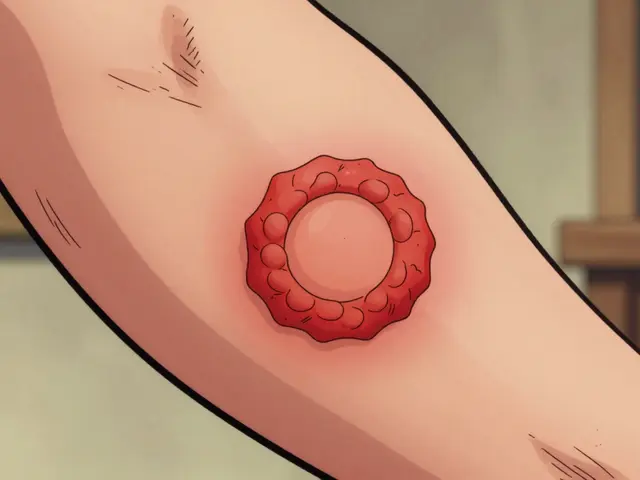
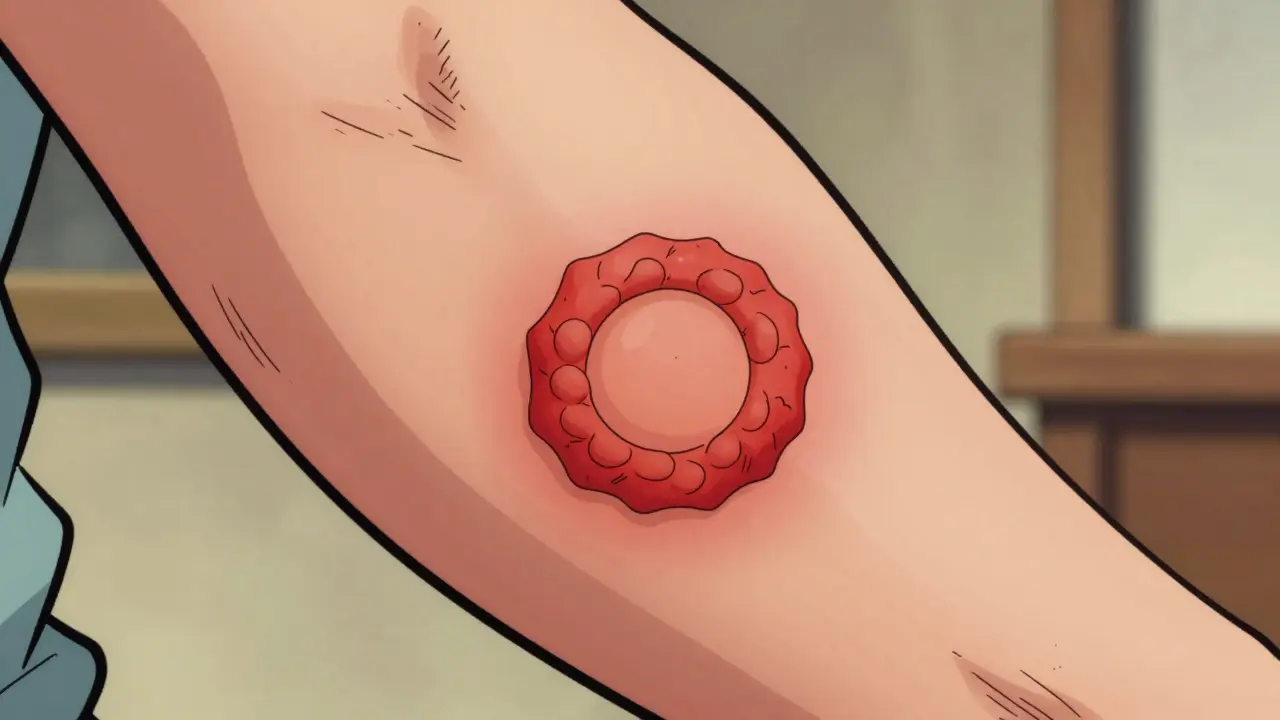
The infection usually starts as a small red bump. Over a few days, it expands into a ring with a raised, scaly border and a clearer center. If you don't treat it, the ring can grow from a tiny 0.5 cm spot to a massive 5 cm patch in no time. In some severe cases, especially on the scalp, it can cause a pus-filled mass called a kerion, which can lead to permanent scarring if ignored.
Common Types of Fungal Infections and Where They Hit
Depending on where the fungus settles, the name changes. Knowing which one you have helps you pick the right treatment approach.
- Tinea corporis (Body Ringworm): The classic red ring on the torso, arms, or legs.
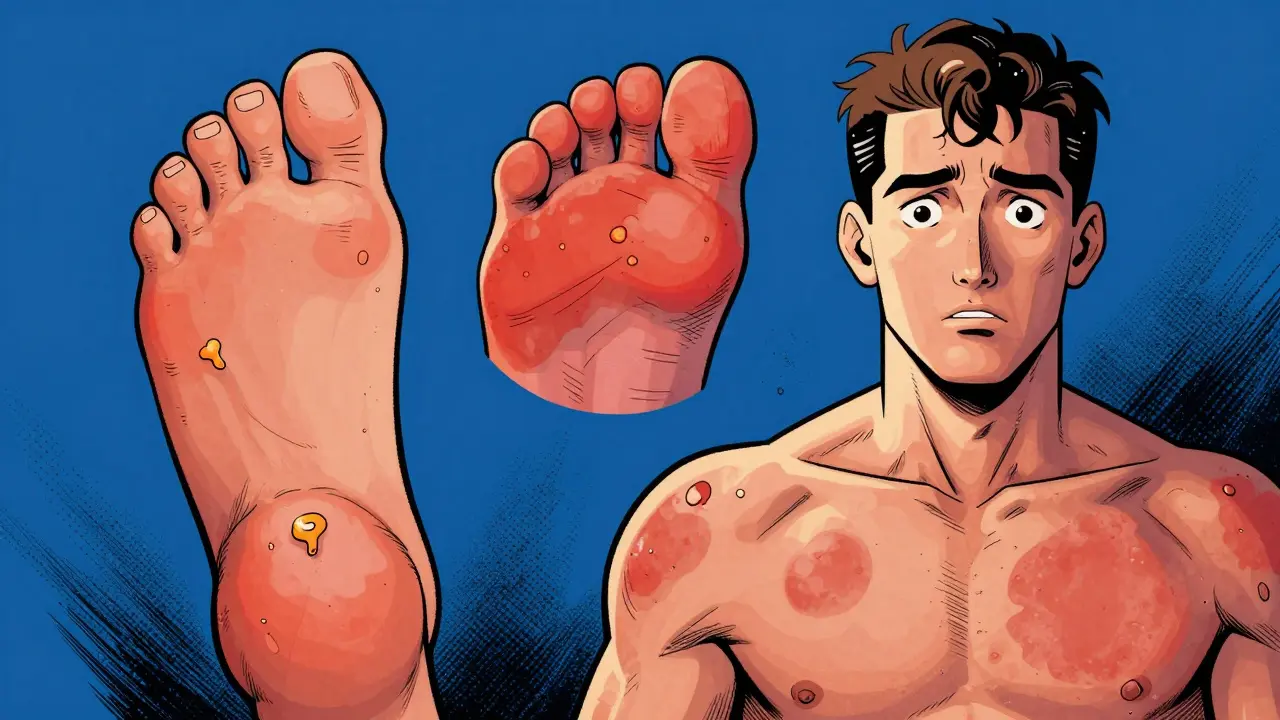
- Tinea pedis (Athlete's Foot): This hits the feet and toes. It often causes peeling, stinging, and a foul odor. It's incredibly common, making up about 15% of all ringworm cases.
- Tinea cruris (Jock Itch): Red, itchy spots on the inner thighs and groin area. This is particularly common in adults and athletes.
- Tinea capitis (Scalp Ringworm): Itchy red patches on the head that can lead to bald spots. This mostly affects children under 10.
- Tinea unguium (Nail Infection): This makes nails thick, brittle, and yellow. It hits toenails way more often than fingernails because your shoes create a perfect, moist incubator for the fungus.
| Active Ingredient | Typical Concentration | Approx. Efficacy | Treatment Duration |
|---|---|---|---|
| Terbinafine | 1% | 80-90% | 1-2 weeks |
| Clotrimazole | 1% | 70-80% | 2-4 weeks |
| Ketoconazole | 2% | 75-85% | 2-4 weeks |
| Miconazole | 2% | 65-75% | 2-4 weeks |
How to Use Antifungal Creams Effectively
Most skin infections can be handled with over-the-counter antifungal creams. But here is the secret: most people fail their treatment because they stop too early. Many users report that as soon as the redness fades, they toss the tube. This is a mistake. The fungus is often still there, just dormant, which is why 45% of people who stop early see the infection come back.
To get rid of it for good, follow these steps:
- Clean and Dry: Wash the area with mild soap and pat it completely dry. Fungus thrives on moisture, so applying cream to damp skin is less effective.
- Apply Beyond the Border: Don't just put cream on the red ring. Spread it about an inch beyond the visible edge of the rash to catch any spreading spores.
- Be Consistent: Most creams need to be applied twice daily. Set a timer on your phone if you have to.
- The "Two-Week Rule": Keep applying the cream for at least one to two weeks after the skin looks normal again.
If you're dealing with scalp ringworm or a deep nail infection, creams won't cut it. In those cases, you'll need oral medications, like a 250mg daily dose of Terbinafine for several weeks, which can be prescribed by a doctor.
Why Did I Get This? Understanding the Risks
You don't just wake up with ringworm; you pick it up. About 60% of cases come from direct skin-to-skin contact. Another 30% happen through contaminated items like towels, bed sheets, or gym mats. The rest usually come from pets-specifically cats, dogs, and rodents. If you're a vet or a pet owner, you're at a much higher risk.
Certain habits make you a magnet for fungi. For instance, walking barefoot in public showers increases your risk by 45%. Wrestlers and contact sports athletes are also hotspots for infection, with some reports showing prevalence as high as 84% among certain athlete groups. If you struggle with hyperhidrosis (excessive sweating), you're essentially providing a five-star hotel for dermatophytes to grow.

Prevention and Breaking the Cycle
Once you've cleared an infection, the goal is to keep it from returning. This isn't about fancy products, but simple habits. First, stop sharing personal items. Your towel is for you and you alone. Second, invest in a good pair of flip-flops for the gym and pool. It's a simple barrier that blocks the majority of transmission routes.
For those prone to foot fungus, change your socks at least once a day. If you sweat a lot, do it twice. Choose moisture-wicking fabrics over thick cotton, which tends to hold onto dampness. Keeping your skin dry is the single most effective way to make your body an inhospitable environment for fungus.
You might see people suggesting tea tree oil as a natural fix. While it sounds appealing, the evidence is weak. Clinical reviews show that pharmaceutical antifungals have a 70-90% success rate, while natural oils only hover around 40-50%. When you're dealing with something contagious, it's better to stick with what actually works.
Is ringworm contagious?
Yes, it is highly contagious. It spreads through direct skin-to-skin contact with an infected person or animal, as well as through contaminated objects like towels, combs, and gym equipment.
How long does it take for antifungal cream to work?
Depending on the cream, you'll usually see a visible improvement in 3 to 10 days. For example, terbinafine often shows results in 3-5 days, while clotrimazole may take up to 10. However, you must continue treatment for the full recommended duration (usually 2-4 weeks) to ensure the fungus is completely gone.
Can I get ringworm from my pets?
Absolutely. About 10% of human ringworm cases are caused by animals, especially cats, dogs, and rodents. If your pet has patches of missing fur or scaly skin, take them to the vet immediately to prevent the infection from jumping to you.
What happens if I don't treat ringworm?
Untreated ringworm can spread rapidly, potentially covering 30-50% more skin surface area within just two weeks. In children, scalp infections can lead to a painful mass called a kerion, which can cause permanent bald spots and scarring.
Why does the rash look like a ring?
The fungus grows outward from a central point. As it moves toward the edges in search of fresh keratin, the center often heals or clears, leaving behind the characteristic red, scaly ring shape.
Next Steps for Recovery
If you've just started treatment, keep a diary of your skin's appearance. Take a photo on day one and again on day seven. If the rash is spreading despite the cream, or if you develop a fever or pus-filled blisters, stop the DIY approach and see a doctor. You might be dealing with a resistant strain of fungus or a secondary bacterial infection that requires stronger, prescription-grade medication.