
Autoimmune Hepatitis: Causes, Treatments, and What You Need to Know
When your body’s immune system turns on your own liver, it’s called autoimmune hepatitis, a chronic liver disease where the immune system mistakenly attacks liver cells, causing inflammation and damage. Also known as AIH, it’s not caused by alcohol, viruses, or toxins—it’s your own defenses gone rogue. Unlike hepatitis from hepatitis B or C, this form doesn’t spread. It’s silent at first, often showing up only after liver damage is already happening—fatigue, joint pain, jaundice, or unexplained weight loss.
People with autoimmune disorders, conditions where the immune system attacks healthy tissue, like type 1 diabetes, rheumatoid arthritis, or celiac disease are more likely to develop autoimmune hepatitis. It’s more common in women, especially between ages 15 and 40, but it can hit anyone. The exact trigger isn’t known, but genetics and environmental factors like certain medications or infections may start the process. Without treatment, it can lead to cirrhosis or liver failure.
Most cases are managed with immunosuppressants, medications that calm the overactive immune response to protect the liver. Prednisone and azathioprine are the go-to combo—they reduce inflammation and slow disease progression. Many patients stay on low doses for years, even decades. Some don’t respond well, and newer drugs like budesonide or mycophenolate are being used as alternatives. Regular blood tests and liver scans are key to tracking progress and catching flares early.
You won’t find a cure, but you can live a normal life with proper care. Avoiding alcohol, eating a balanced diet, and staying up to date on vaccines (like hepatitis A and B) helps protect your liver. Some people need a transplant if the damage is too advanced—but that’s rare if caught early. The biggest mistake? Ignoring symptoms. Autoimmune hepatitis doesn’t always hurt, but it’s always working.
Below, you’ll find real-world advice on managing this condition—what meds work best, how to avoid dangerous interactions, how to monitor your liver health, and what to do when standard treatments don’t cut it. These aren’t theoretical guides. They’re written for people living with this every day.
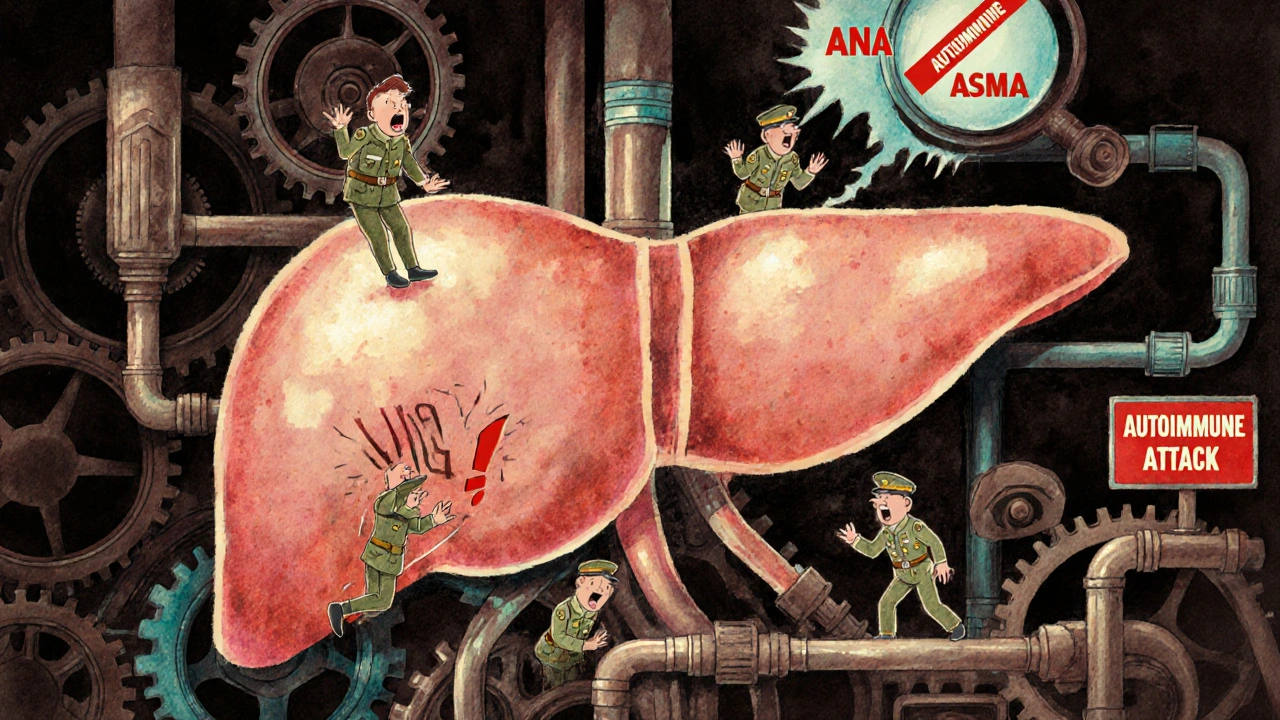
Autoimmune Hepatitis: What It Is, How It’s Diagnosed, and How It’s Treated
Autoimmune hepatitis is a chronic liver disease where the immune system attacks liver cells. Learn how it's diagnosed, treated, and managed to prevent liver damage and improve long-term outcomes.
View More