
Lithium Interactions: What You Need to Know Before Taking It
When you take lithium, a mood-stabilizing medication used primarily for bipolar disorder. Also known as lithium carbonate, it works by balancing brain chemicals—but even small changes in your body can make it unsafe. Lithium has a narrow therapeutic window, meaning the difference between a helpful dose and a toxic one is tiny. That’s why knowing what can interfere with it isn’t optional—it’s life-saving.
One of the biggest risks comes from NSAIDs, nonsteroidal anti-inflammatory drugs like ibuprofen and naproxen. These common pain relievers reduce kidney function, which slows how fast your body clears lithium. Even a few days of taking Advil or Aleve can cause lithium levels to spike, leading to tremors, confusion, or worse. Same goes for diuretics, water pills like hydrochlorothiazide. They make you pee more, which can lower sodium levels and trap lithium in your system. And if you’re on ACE inhibitors, blood pressure meds like lisinopril, you’re also at higher risk. These drugs don’t just add up—they multiply the danger.
It’s not just about other pills. Your body’s hydration and salt intake matter too. Dehydration from a fever, diarrhea, or even a hot day can turn a safe lithium dose into a toxic one. That’s why doctors check your blood levels regularly and ask about your fluid intake. If you start a new medicine—whether it’s an antibiotic, an antidepressant, or a supplement—you need to tell your prescriber you’re on lithium. Many drug interactions happen because people assume over-the-counter stuff is harmless. It’s not. And if you have kidney problems, thyroid issues, or heart disease, lithium becomes even trickier to manage. That’s why so many of the posts here focus on how medications behave in real bodies, not just in theory.
What you’ll find below are real, practical guides on how lithium fits into the bigger picture of medication safety. From how it compares with other bipolar treatments, to what happens when you mix it with common drugs, to how to spot the early signs of toxicity—every article here is written for people who need to take lithium and want to stay safe. No fluff. No guesses. Just what works, what doesn’t, and what you absolutely must avoid.
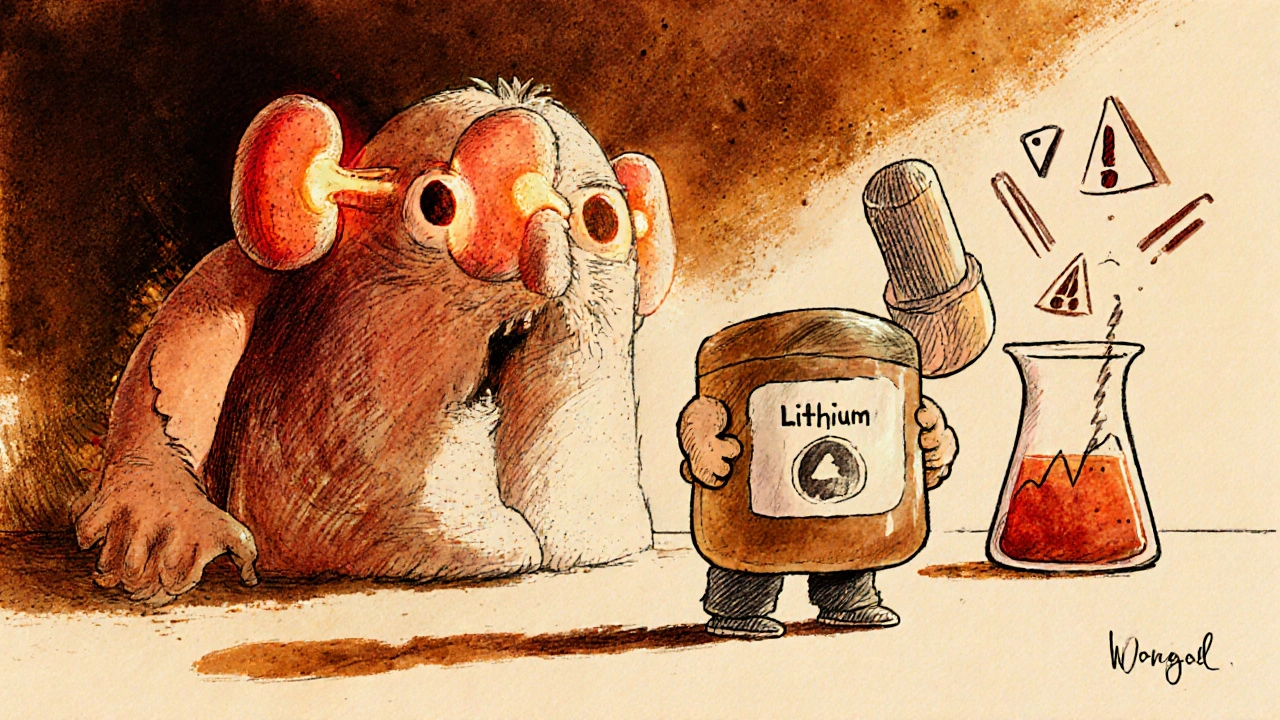
Mood Stabilizers: Lithium, Valproate, and Carbamazepine Interactions Explained
Lithium, valproate, and carbamazepine are key mood stabilizers for bipolar disorder, but their interactions can be dangerous. Learn how NSAIDs, birth control, and other drugs affect their safety and what you must do to avoid toxicity.
View More