
Statin Side Effects: What You Need to Know Before Taking Cholesterol Medication
When you take a statin, a class of drugs used to lower LDL cholesterol and reduce heart attack risk. Also known as HMG-CoA reductase inhibitors, these medications are among the most prescribed in the world—yet many people stop taking them because of side effects they weren’t warned about.
One of the most common issues is muscle pain, a dull ache or weakness that often starts in the thighs or shoulders. It’s not just "feeling sore"—it’s persistent, doesn’t go away with rest, and can signal a rare but dangerous condition called rhabdomyolysis. About 10% of people on statins report muscle discomfort, but only a small fraction have true damage. Still, if your muscles feel unusually weak or sore after starting a statin, don’t ignore it. Talk to your doctor before quitting. Another hidden risk is liver enzyme changes, a temporary rise in liver markers that rarely leads to real harm. Most doctors check liver function before and a few weeks after starting statins—not because it’s dangerous, but because it’s easy to monitor. If numbers stay high, they may switch you to another drug. You don’t need constant testing unless you have existing liver disease.
Statin side effects don’t stop at muscles and liver. Some people report brain fog, a feeling of mental sluggishness or memory lapses. While studies haven’t proven statins cause dementia, a few patients notice clearer thinking after stopping them. If you’re on a statin and feel unusually forgetful, mention it—it might be unrelated, but it’s worth checking. Then there’s the drug interactions, especially with grapefruit juice, certain antibiotics, and antifungals. These can spike statin levels in your blood, raising the risk of side effects. Even something as simple as eating a grapefruit a day can interfere with simvastatin or lovastatin. Know your meds.
Not everyone gets side effects. Many people take statins for years with no issues. But if you’re considering starting one—or already are—know what to watch for. Muscle pain, dark urine, extreme fatigue, yellowing skin, or unexplained nausea aren’t normal. These aren’t just inconveniences; they’re signals. Your doctor isn’t trying to scare you—they’re trying to help you stay on the right medication without risking harm.
Below, you’ll find real patient experiences, clinical insights, and clear comparisons between different statins and their side effect profiles. No fluff. No marketing. Just what actually happens when these drugs enter your body—and what to do next.
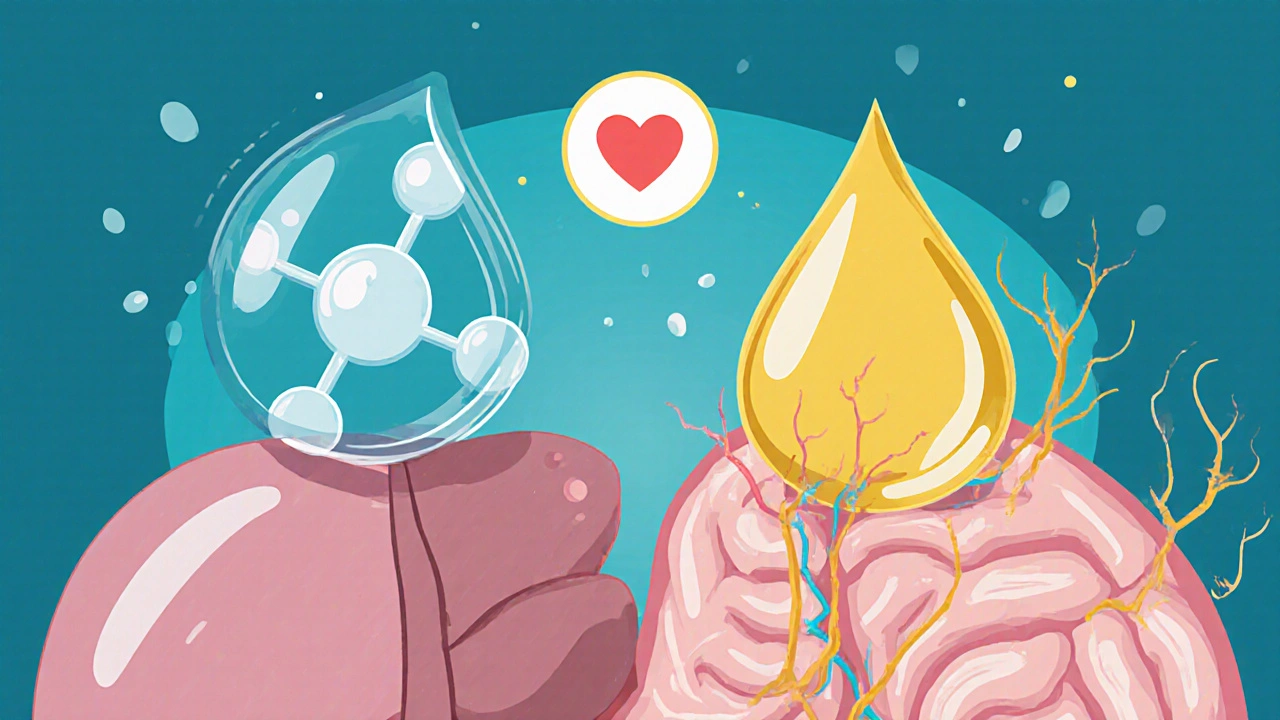
Hydrophilic vs Lipophilic Statins: What You Need to Know About Side Effects
Hydrophilic and lipophilic statins differ in how they move through your body, affecting side effects like muscle pain. Learn which factors truly matter when choosing the right statin for you.
View More