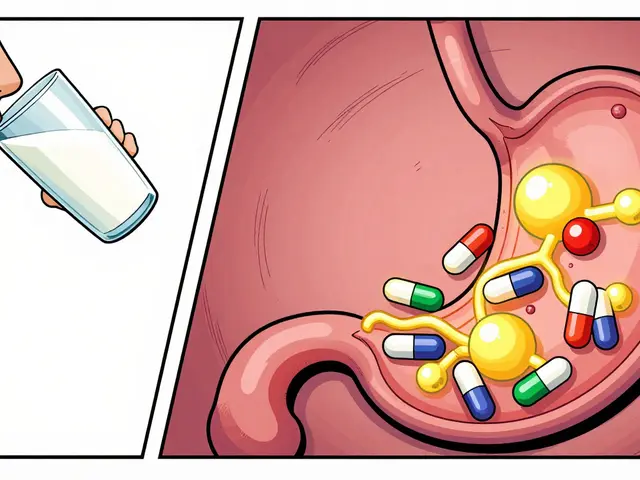
Anticoagulants: What They Are, How They Work, and Which Ones Are Safe
When your blood clots too easily, it can lead to strokes, heart attacks, or deadly pulmonary embolisms. That’s where anticoagulants, medications that slow down the blood’s ability to form clots. Also known as blood thinners, they don’t actually thin your blood—they interfere with the clotting process so clots don’t form where they shouldn’t. These drugs aren’t for everyone, but for people with atrial fibrillation, deep vein thrombosis, or artificial heart valves, they’re life-saving.
Not all anticoagulants are created equal. warfarin, an older anticoagulant that’s been used for decades. Also known as Coumadin, it requires regular blood tests to make sure the dose is right. It interacts with foods like leafy greens and many other medications, making it tricky to manage. On the other hand, newer options like apixaban, a direct oral anticoagulant that doesn’t need routine monitoring. Also known as Eliquis, it’s become a top choice for atrial fibrillation patients because it reduces stroke risk by 21% and bleeding by 31% compared to warfarin. Then there are others like rivaroxaban, dabigatran, and edoxaban—all part of the same newer class, each with small differences in how they work and who they’re best for.
What makes anticoagulants dangerous isn’t just the drug itself—it’s what you mix it with. Antipsychotics, certain antibiotics, and even some herbal supplements can dangerously increase bleeding risk or make the drug ineffective. That’s why knowing your full medication list matters. People on anticoagulants need to be careful with over-the-counter painkillers, too. Ibuprofen and naproxen can irritate the stomach lining and raise bleeding risk, while acetaminophen is usually safer. And if you’re taking anticoagulants, even a minor fall or cut can become a big problem. That’s why understanding dosing, timing, and what to do in an emergency isn’t just advice—it’s survival.
The posts below cover real-world concerns people actually face: how apixaban compares to warfarin, why generic versions need strict standards, how to buy these drugs safely online, and what happens when anticoagulants mix with other heart or psychiatric meds. You’ll find clear comparisons, safety tips, and no fluff—just what you need to take these drugs without fear or confusion.
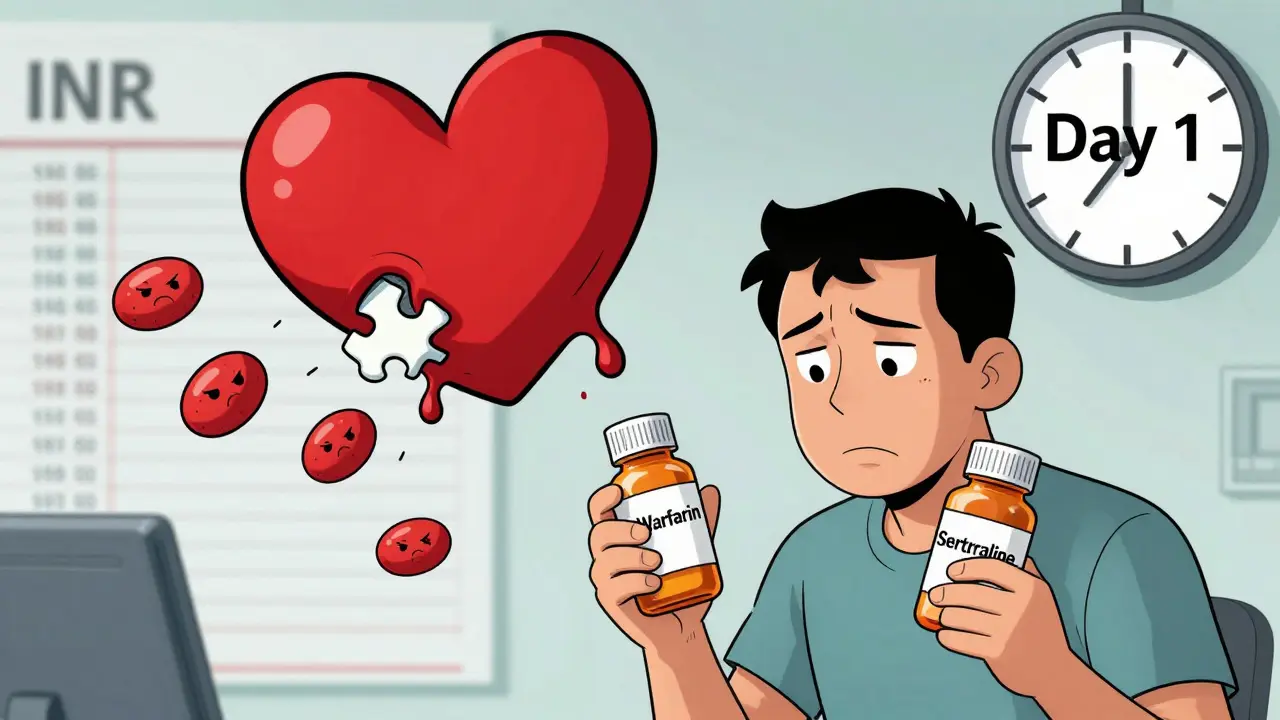
SSRIs and Anticoagulants: What You Need to Know About the Bleeding Risk
Combining SSRIs with anticoagulants increases bleeding risk by 33%, especially in the first 30 days. Learn why platelet effects matter, which drugs are riskiest, and what alternatives exist.
View More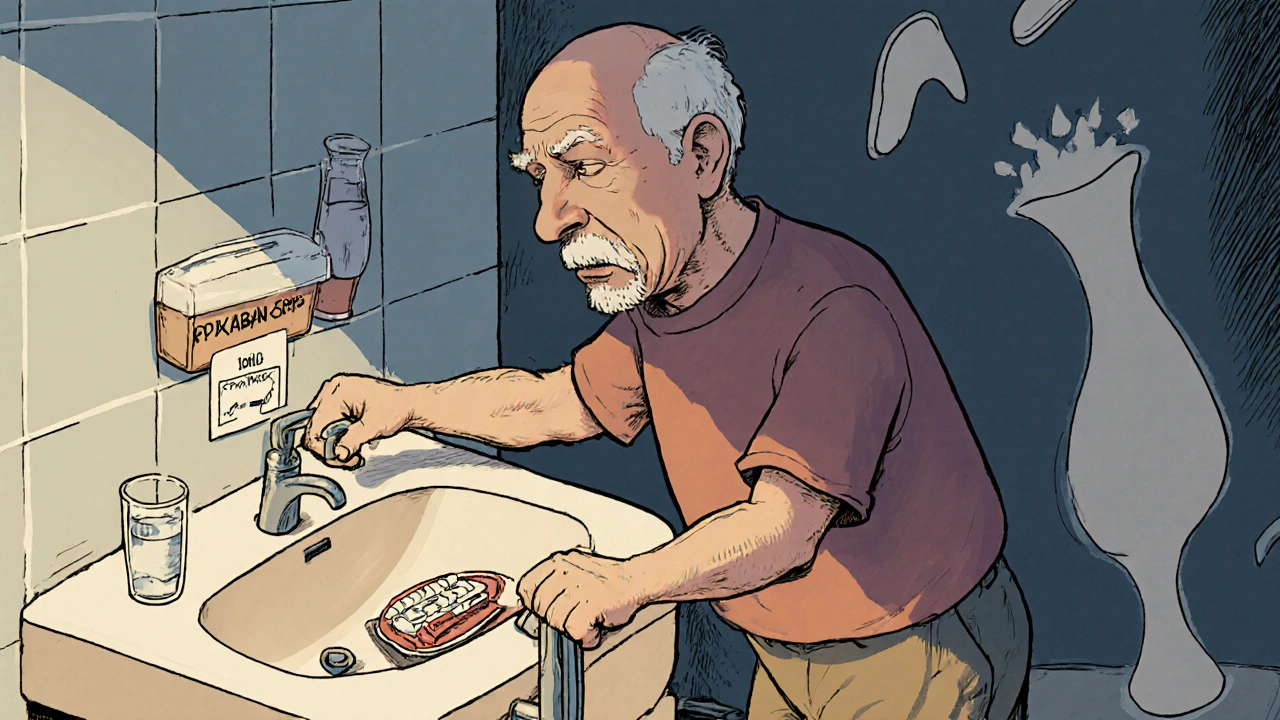
Anticoagulants and Bleeding Disorders: How to Prevent Hemorrhage While on Blood Thinners
Learn how to prevent dangerous bleeding while taking blood thinners like warfarin or DOACs. Key tips for kidney checks, drug interactions, emergency signs, and when to restart after a bleed.
View More