DOACs: What They Are, How They Work, and Why They're Changing Blood Thinner Treatment
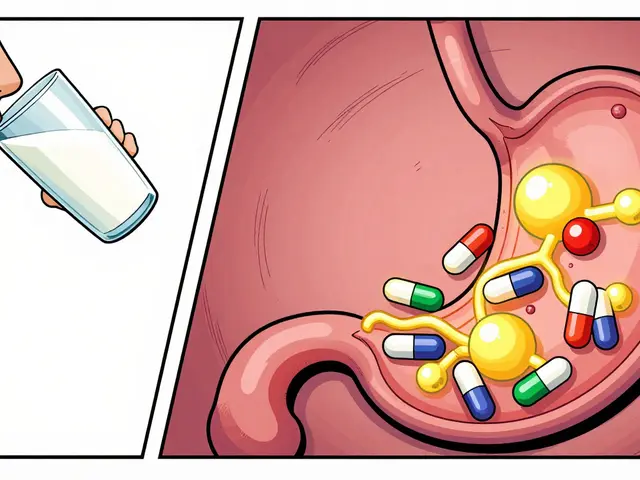
When you hear DOACs, Direct Oral Anticoagulants are a new class of blood-thinning medications designed to prevent clots without the need for constant blood tests. Also known as novel oral anticoagulants, they’ve replaced warfarin for millions of people with atrial fibrillation, deep vein thrombosis, or pulmonary embolism. Unlike old-school blood thinners, DOACs don’t need regular INR checks, don’t interact heavily with food, and come in fixed doses. That means less doctor visits, fewer dietary restrictions, and more predictable results.
There are four main DOACs, including apixaban, rivaroxaban, dabigatran, and edoxaban—each with slight differences in how they block clotting factors. For example, apixaban reduces stroke risk by 21% and major bleeding by 31% compared to warfarin, according to real-world trials. Rivaroxaban, another DOAC, is often chosen for its once-daily dosing and strong track record in treating leg clots. These drugs work by directly targeting specific proteins in the clotting cascade—either factor Xa or thrombin—making them more precise than warfarin, which affects multiple pathways and is easily thrown off by diet or other meds.
They’re especially helpful for older adults, people with kidney issues, or those who’ve struggled with warfarin’s ups and downs. But they’re not perfect. Some DOACs still need dose adjustments for kidney function, and while reversal agents exist, they’re not always on hand in emergencies. Still, for most patients, the benefits far outweigh the risks. You’ll find posts here comparing DOACs to older drugs, breaking down side effects, explaining how to switch safely, and even covering cost and access issues—like how to buy generic versions online without falling for scams.
Whether you’re on a DOAC, considering one, or just trying to understand why your doctor switched your medication, this collection gives you clear, no-fluff answers based on real patient data and clinical guidelines. No jargon. No hype. Just what you need to know to stay safe and informed.
Anticoagulants and Bleeding Disorders: How to Prevent Hemorrhage While on Blood Thinners
Learn how to prevent dangerous bleeding while taking blood thinners like warfarin or DOACs. Key tips for kidney checks, drug interactions, emergency signs, and when to restart after a bleed.
View More