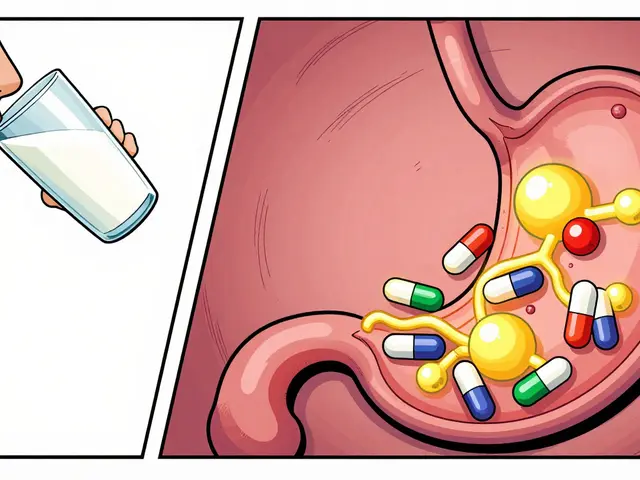
Blood Thinners: What They Are, How They Work, and Which Ones Are Safest
When your blood clots too easily, it can lead to strokes, heart attacks, or deadly blockages in your lungs. That’s where blood thinners, medications that reduce your blood’s ability to form clots. Also known as anticoagulants, they don’t actually make your blood thinner—they just slow down the clotting process. These drugs aren’t optional for people with atrial fibrillation, deep vein thrombosis, or artificial heart valves. Skipping them can be life-threatening. But taking the wrong one—or mixing it with the wrong food or other meds—can be just as dangerous.
Not all blood thinners are created equal. warfarin, an older anticoagulant that requires frequent blood tests to monitor dosage has been used for decades. But newer options like apixaban, a direct oral anticoagulant that works without regular lab checks have changed the game. Apixaban cuts stroke risk by 21% and major bleeding by 31% compared to warfarin, according to real-world studies. It’s easier for seniors, doesn’t need dietary restrictions, and works reliably without constant monitoring. Other newer drugs like rivaroxaban and dabigatran follow similar rules—fewer tests, fewer food limits, but still serious risks if misused.
What you can’t ignore are the interactions. Blood thinners don’t play well with some antibiotics, painkillers, or even herbal supplements like St. John’s wort. Mixing them with other drugs that affect your heart’s rhythm—like certain antipsychotics—can trigger dangerous arrhythmias. And if you’re on one of these drugs, even a small fall or cut can turn serious fast. That’s why understanding your specific medication matters more than ever. You need to know how it works, what to avoid, and when to call your doctor. The posts below break down exactly that: how apixaban compares to warfarin, why some patients need tighter control, what happens when you mix these drugs with others, and how to take them safely without guesswork.
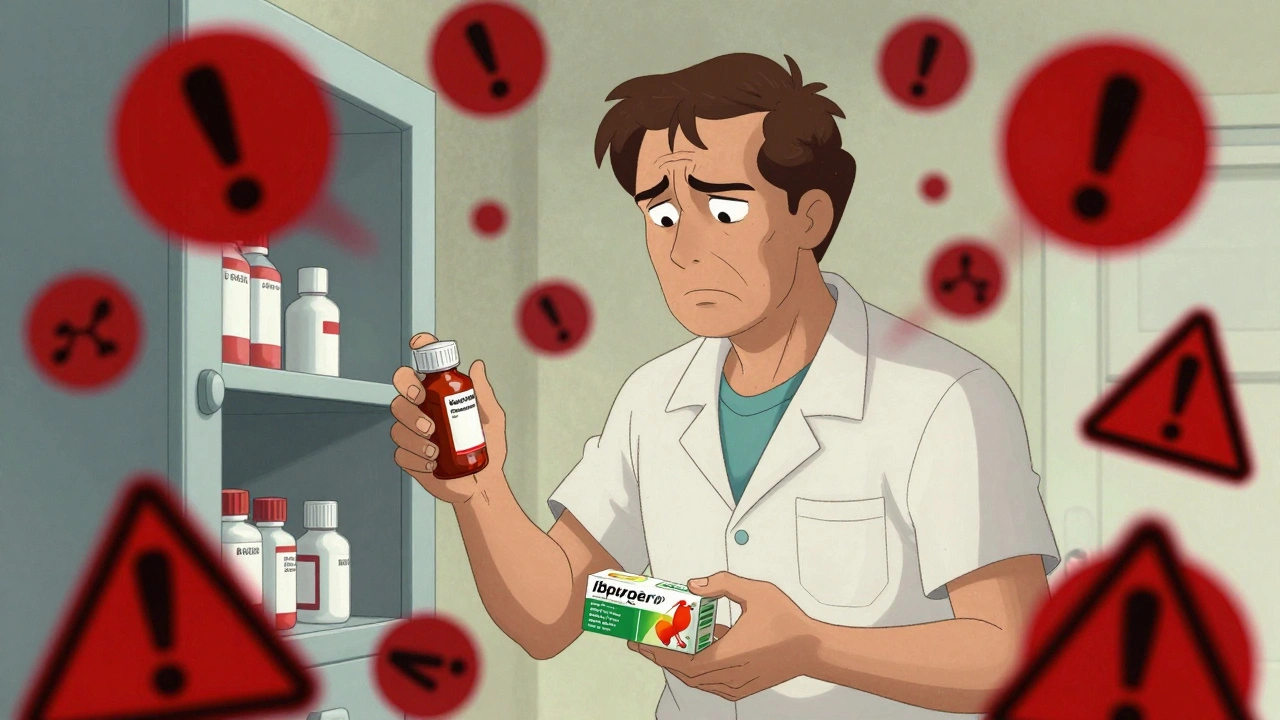
Blood Thinners and NSAIDs: Why This Drug Combo Can Be Life-Threatening
Combining blood thinners with NSAIDs like ibuprofen or naproxen can double or even quadruple your risk of dangerous bleeding. Learn why this common drug mix is deadly and what safer alternatives actually work.
View More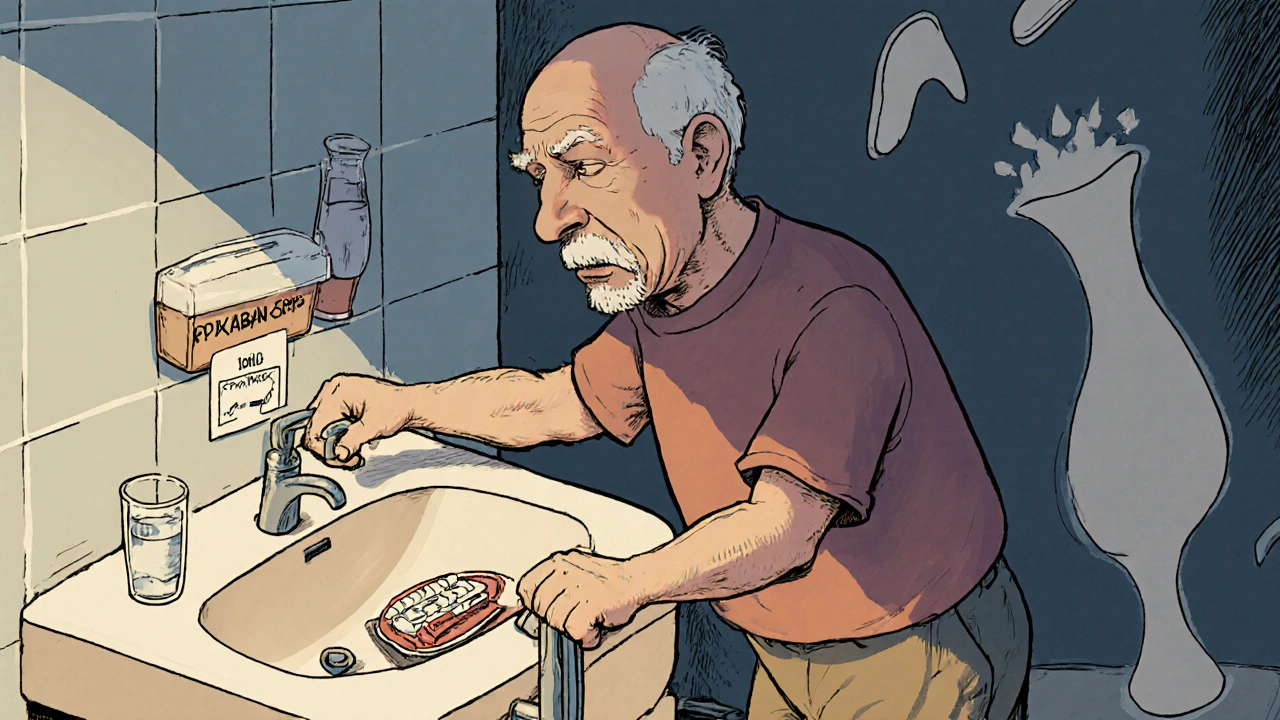
Anticoagulants and Bleeding Disorders: How to Prevent Hemorrhage While on Blood Thinners
Learn how to prevent dangerous bleeding while taking blood thinners like warfarin or DOACs. Key tips for kidney checks, drug interactions, emergency signs, and when to restart after a bleed.
View More