Medication Reactions: What They Are, When to Worry, and How to Stay Safe
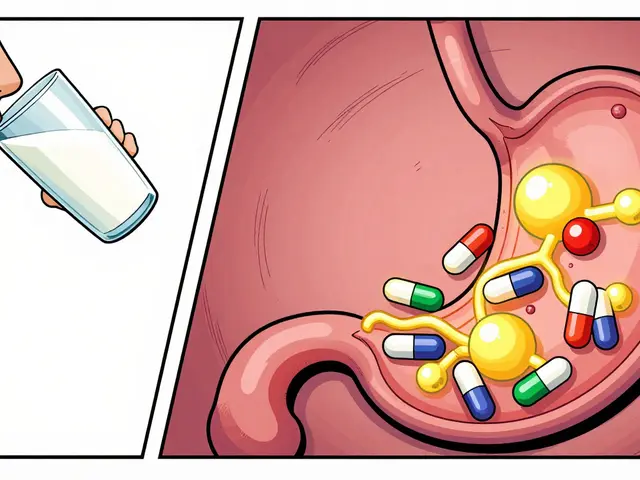
When you take a pill, your body doesn’t just accept it quietly. Medication reactions, unintended responses to drugs that range from mild discomfort to life-threatening emergencies. Also known as adverse drug reactions, these are not rare—they happen to millions every year, often because people don’t know what to look for or when to act. Some reactions show up in minutes, like a rash or swelling after an antibiotic. Others creep in over weeks, like memory fog from an antihistamine or liver damage from a statin. The key isn’t avoiding all meds—it’s understanding which reactions need immediate attention and which can be managed.
Not all medication reactions are the same. Lithium toxicity, a dangerous buildup of lithium in the blood, often caused by dehydration or common painkillers like ibuprofen, is one of the most predictable but overlooked dangers. People on lithium for bipolar disorder need regular blood tests—not because they’re being paranoid, but because a 0.1 point shift can turn treatment into emergency. Then there’s anaphylaxis, a sudden, full-body allergic reaction that can shut down breathing within minutes. Also known as severe allergic reaction, it requires an epinephrine auto-injector and a 911 call—no waiting, no hoping it gets better. These aren’t theoretical risks. They’re real, documented, and preventable with awareness. Many people ignore early signs—dry mouth from anticholinergics, muscle pain from statins, or sudden weight gain on tamoxifen—thinking it’s just "part of aging" or "normal side effects." But these are warning signals. The difference between a manageable side effect and a serious reaction often comes down to timing, dosage, and what else you’re taking.
Drug interactions play a huge role. A simple NSAID like Advil can spike lithium levels. A diuretic can turn a stable dose of blood pressure medicine into a heart risk. Even something as common as Benadryl can slowly erode memory in older adults. The medication reactions you read about in news stories aren’t outliers—they’re the result of gaps in awareness, not bad luck. You don’t need to be a doctor to spot trouble. You just need to know your meds, track when symptoms start, and trust your gut when something feels off.
Below, you’ll find real, practical guides on exactly what to watch for, when to call your doctor, and how to avoid the most common traps. Whether you’re managing bipolar disorder, dealing with hives, taking blood thinners, or just trying to understand why your pill makes you feel weird—there’s something here that can help you stay safe.

Immunocompromised Patients and Medication Reactions: What You Need to Know
Immunocompromised patients face unique risks from medications that suppress the immune system. Learn how common drugs like steroids, methotrexate, and biologics increase infection danger-and what you can do to stay safe.
View More