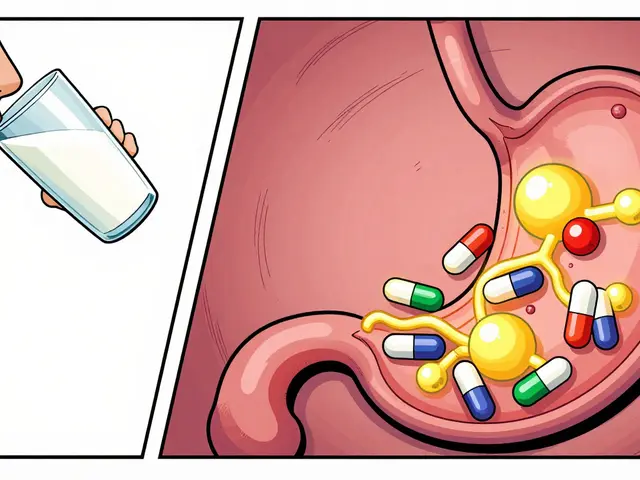
Bleeding Risk: What You Need to Know About Medications That Increase It
When you take a blood thinner, a medication designed to prevent dangerous clots by slowing down the blood’s ability to clot. Also known as anticoagulant, it can save your life after a stroke or heart attack—but it also raises your bleeding risk. This isn’t theoretical. People on these drugs bleed more easily from cuts, bruises, and even minor falls. Some don’t even notice until they’re losing too much blood internally. That’s why understanding bleeding risk isn’t just about reading labels—it’s about knowing which other meds, foods, or health conditions make it worse.
Not all blood thinners are the same. Apixaban, a direct oral anticoagulant used for atrial fibrillation, cuts stroke risk by 21% and bleeding by 31% compared to older drugs like warfarin. But warfarin, a vitamin K antagonist requiring frequent blood tests, still gets prescribed—and its interaction with food, alcohol, or antibiotics can spike bleeding risk overnight. Then there are narrow therapeutic index drugs, medications where tiny dosage changes can turn treatment into danger. Even small variations in generic versions of these drugs can push someone into dangerous bleeding territory. And it’s not just anticoagulants. NSAIDs like ibuprofen, some antidepressants, and even certain antibiotics can pile on the risk when mixed with blood thinners.
Who’s most at risk? Seniors, people with kidney or liver problems, those on multiple meds, and anyone with a history of ulcers or falls. It’s not about being careful—it’s about being informed. You don’t need to stop your meds. But you do need to know what to watch for: unusual bruising, pink or dark urine, nosebleeds that won’t stop, or headaches that feel different. These aren’t normal. And they’re not rare. The FDA and EMA track these risks closely because they happen more often than most patients realize.
The posts below give you real comparisons: how apixaban stacks up against warfarin, why metoprolol is safer for some than other heart meds, and how promethazine’s sedative effects can mask bleeding symptoms. You’ll see how drug interactions sneak up on people, how health literacy helps you spot red flags, and why some generics need extra scrutiny. This isn’t theory. It’s what people actually face when they take meds that affect how their blood flows.
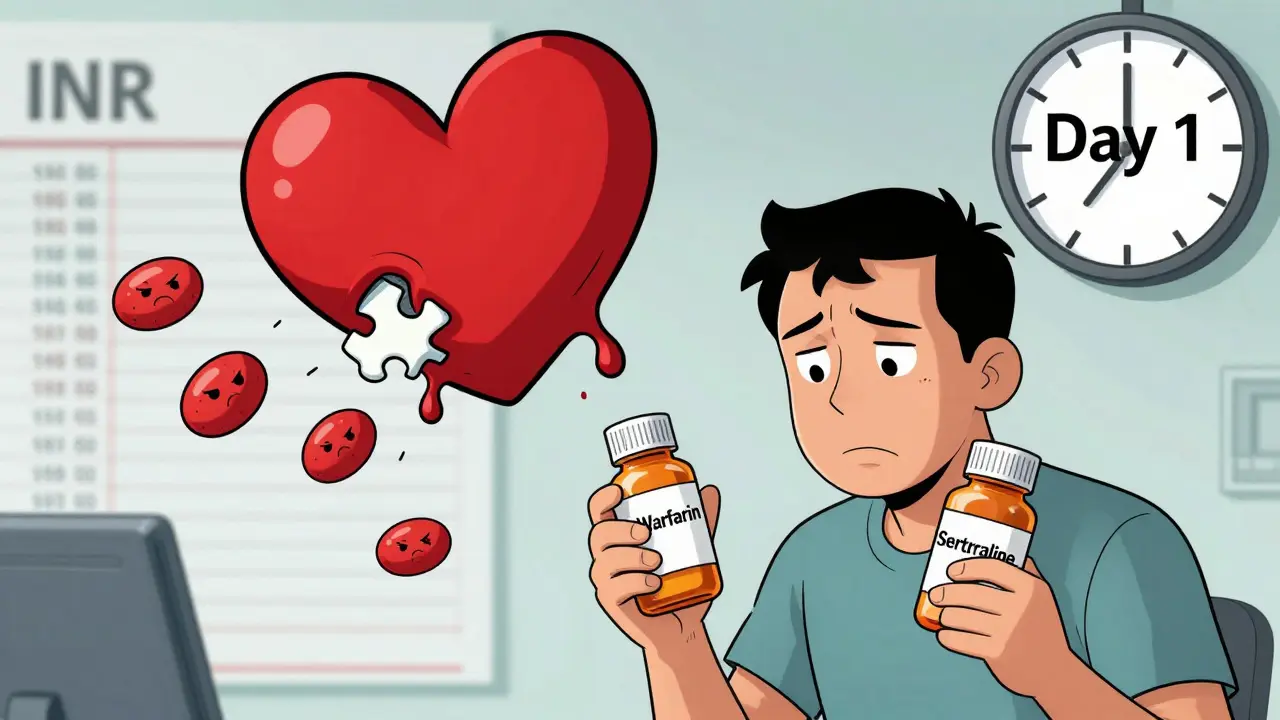
SSRIs and Anticoagulants: What You Need to Know About the Bleeding Risk
Combining SSRIs with anticoagulants increases bleeding risk by 33%, especially in the first 30 days. Learn why platelet effects matter, which drugs are riskiest, and what alternatives exist.
View More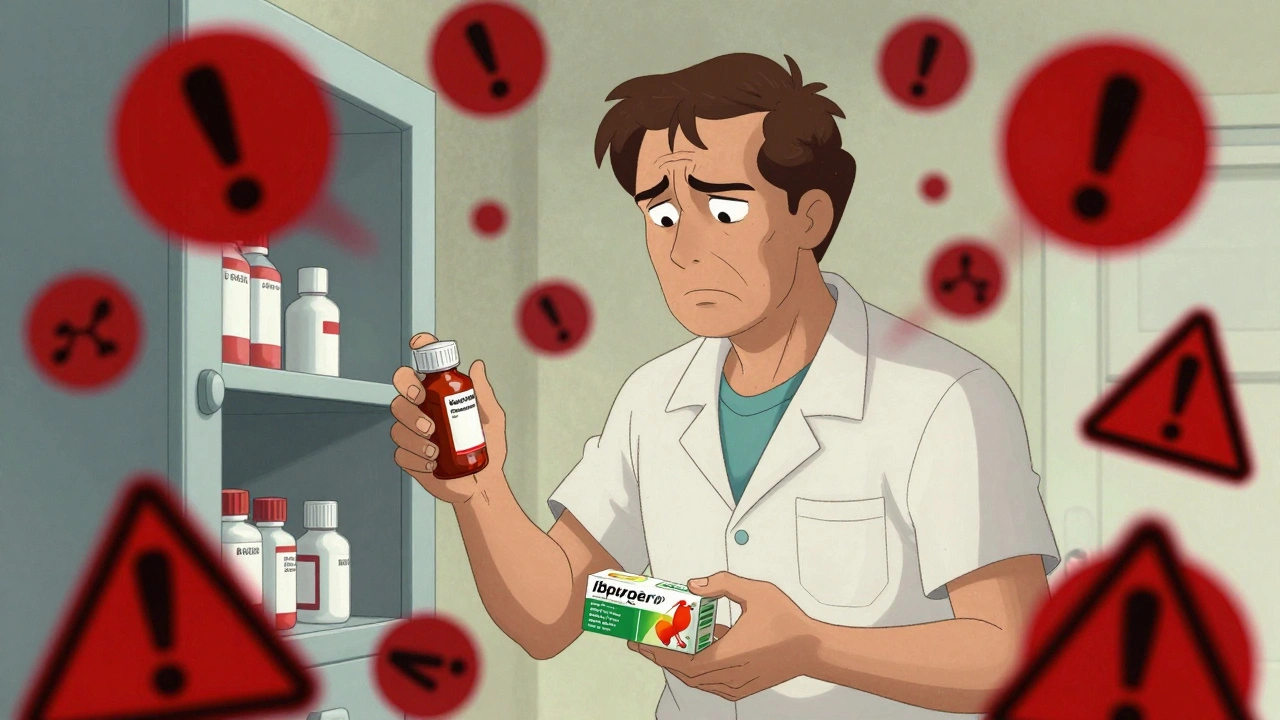
Blood Thinners and NSAIDs: Why This Drug Combo Can Be Life-Threatening
Combining blood thinners with NSAIDs like ibuprofen or naproxen can double or even quadruple your risk of dangerous bleeding. Learn why this common drug mix is deadly and what safer alternatives actually work.
View More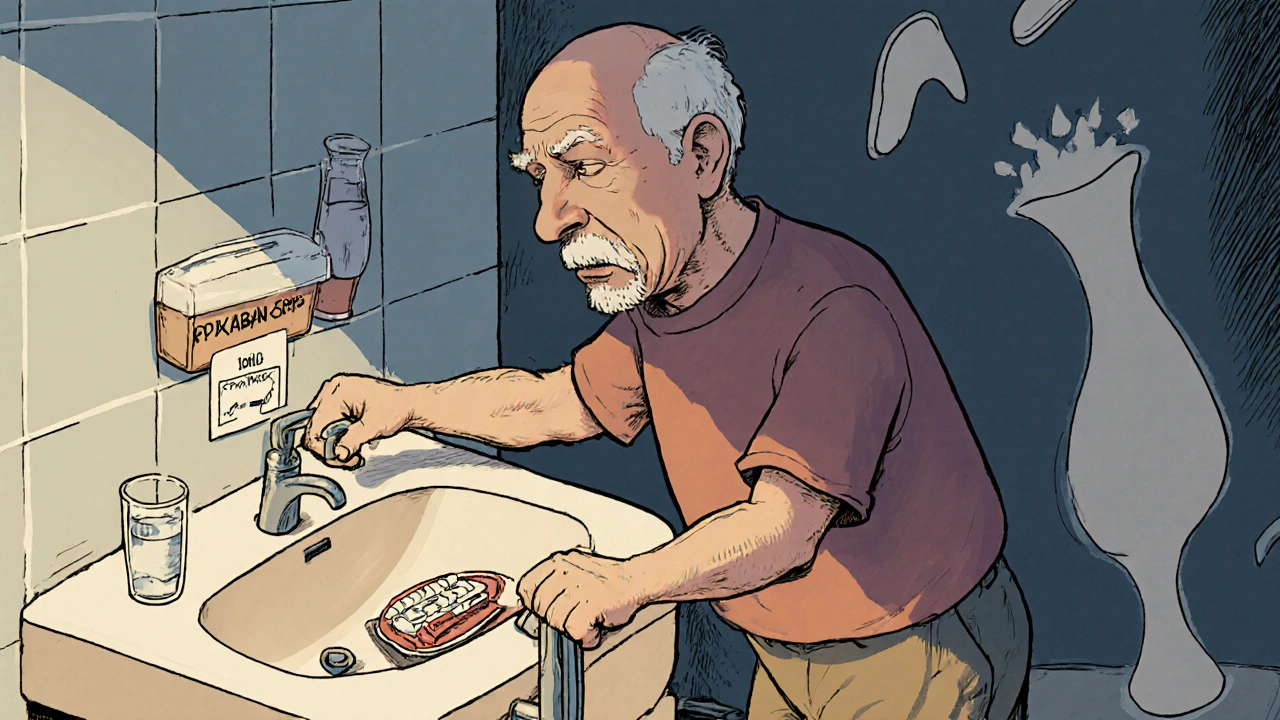
Anticoagulants and Bleeding Disorders: How to Prevent Hemorrhage While on Blood Thinners
Learn how to prevent dangerous bleeding while taking blood thinners like warfarin or DOACs. Key tips for kidney checks, drug interactions, emergency signs, and when to restart after a bleed.
View More