
Category: Medications - Page 5
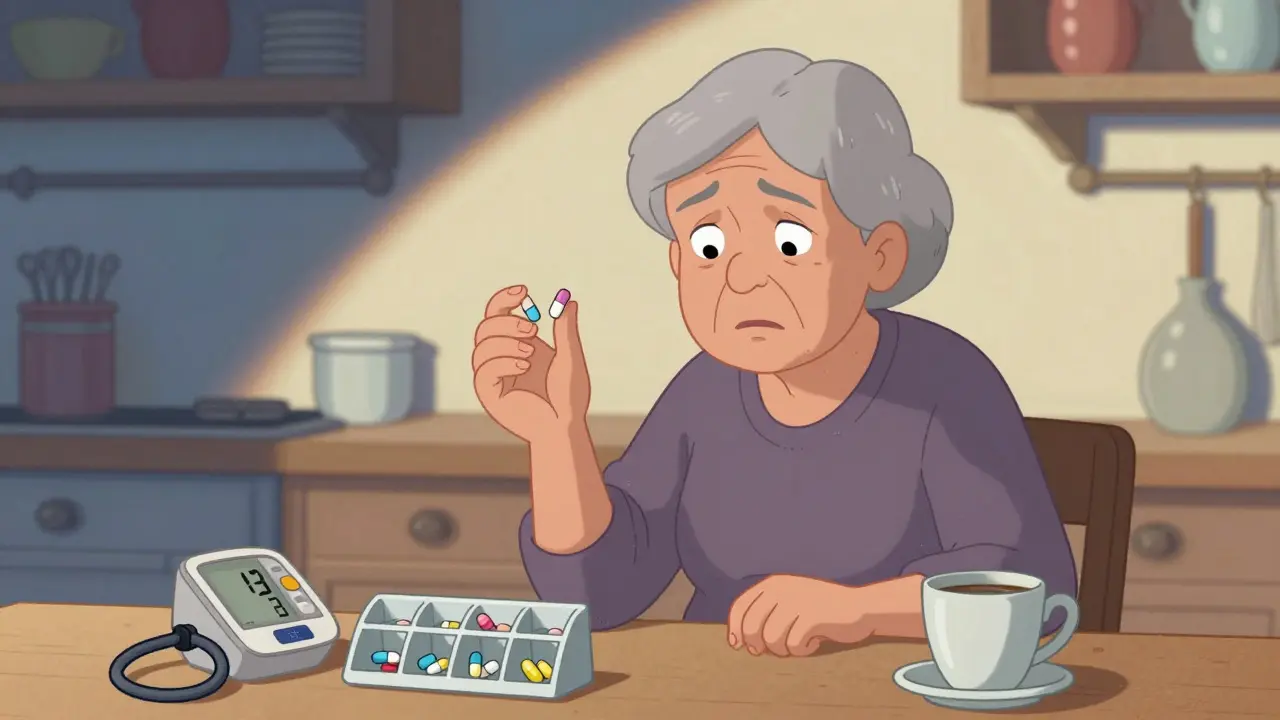
Elderly Patients Switching to Generics: What You Need to Know About Safety, Cost, and Adherence
Switching elderly patients to generic medications can save money but carries risks if not handled carefully. Learn which drugs are safe to switch, when to monitor closely, and how to improve adherence with simple communication strategies.
View More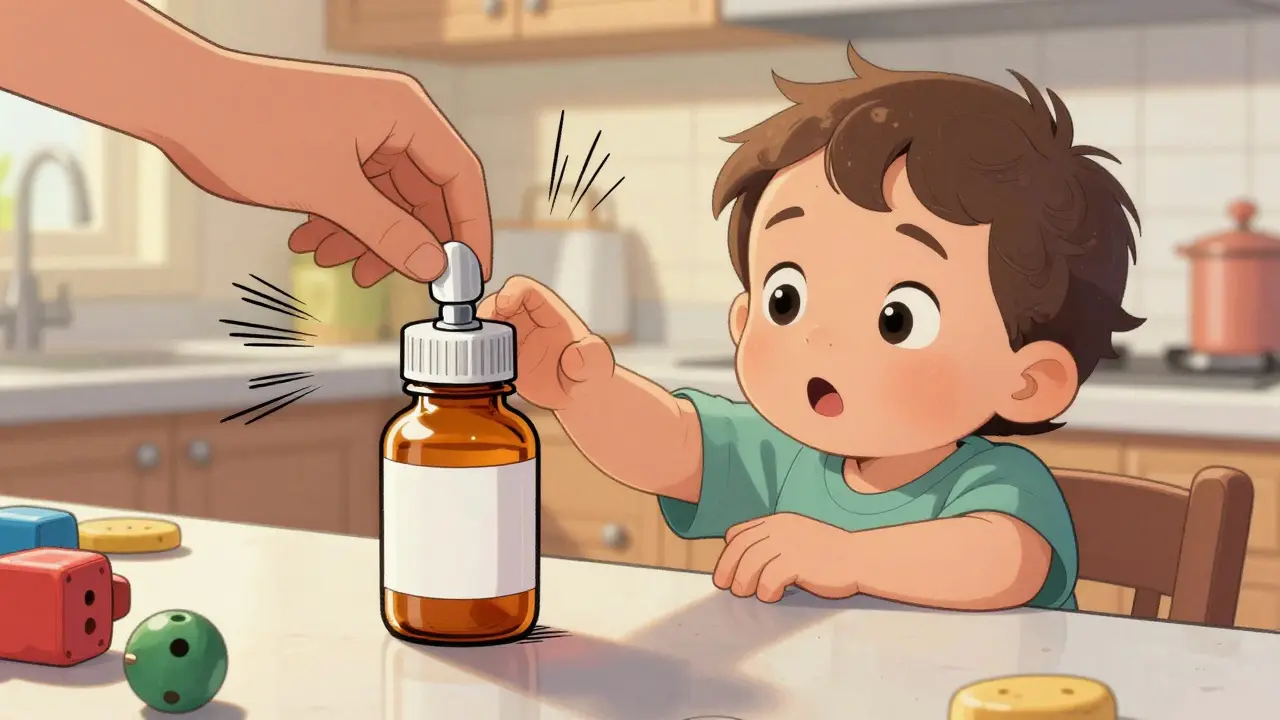
Child-Resistant Containers and Medication Safety Caps Explained: How They Work and Why They Matter
Child-resistant packaging has saved hundreds of thousands of children from accidental poisonings since 1970. Learn how these safety caps work, which medications require them, why they sometimes fail, and what you can do to keep kids safe.
View More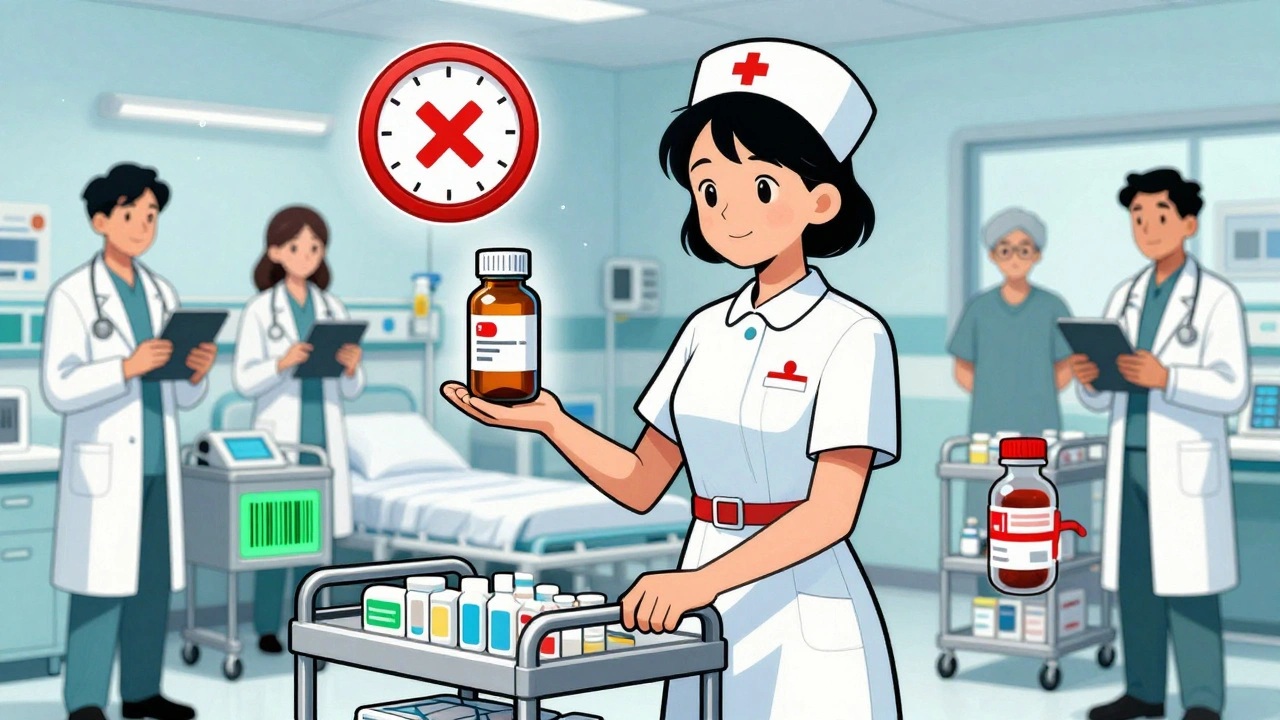
Medication Errors in Hospitals vs. Retail Pharmacies: What You Need to Know
Medication errors happen in both hospitals and retail pharmacies, but the types, frequency, and risks differ. Learn how to spot and prevent these mistakes before they hurt you.
View More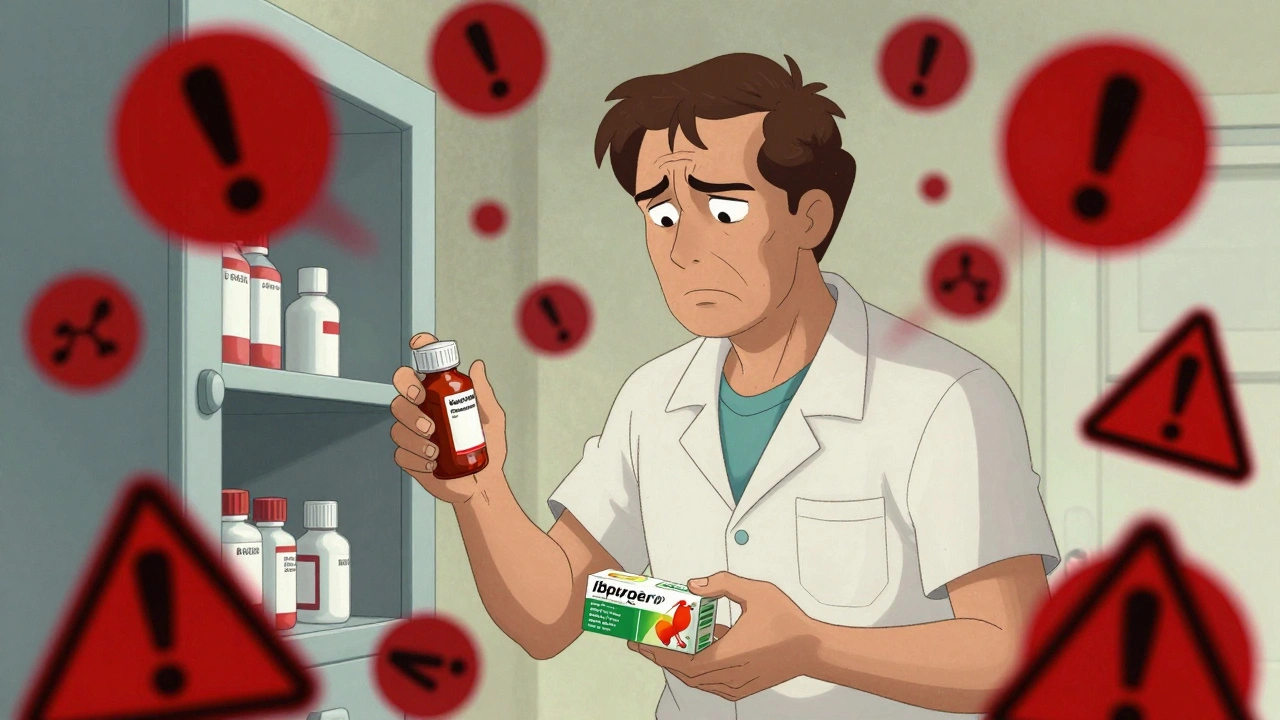
Blood Thinners and NSAIDs: Why This Drug Combo Can Be Life-Threatening
Combining blood thinners with NSAIDs like ibuprofen or naproxen can double or even quadruple your risk of dangerous bleeding. Learn why this common drug mix is deadly and what safer alternatives actually work.
View More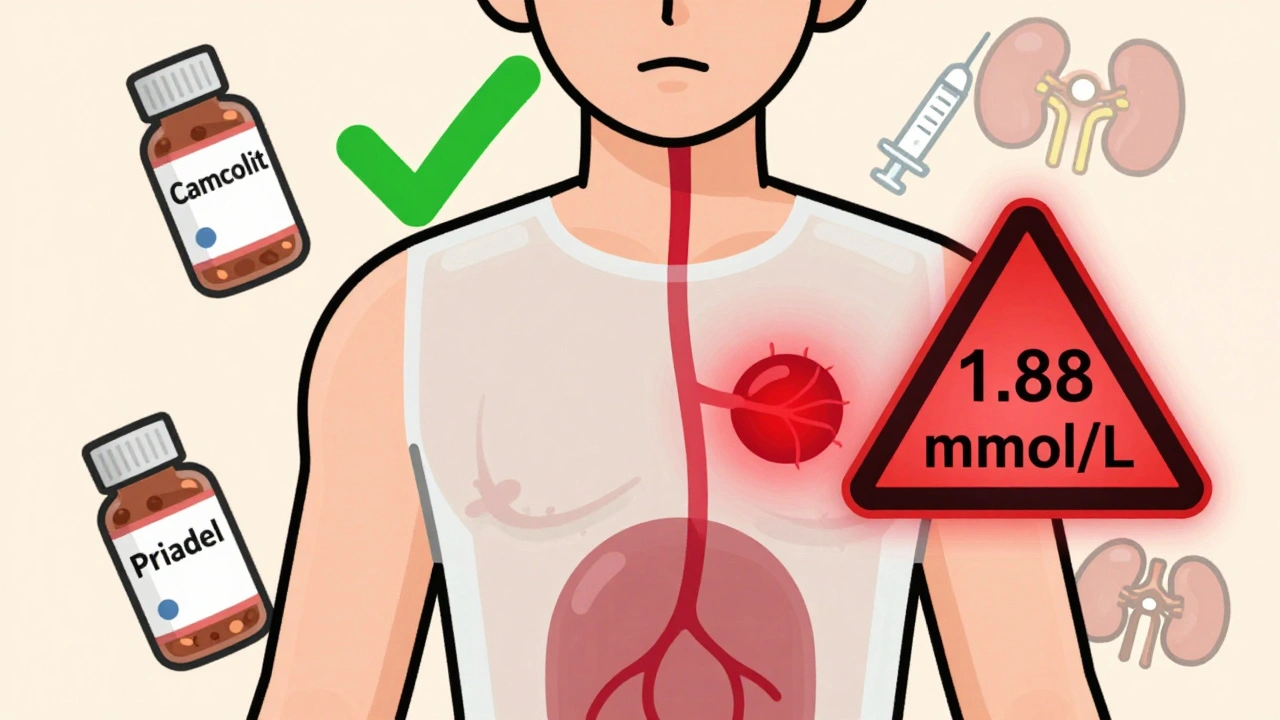
Lithium Carbonate Generics: What You Need to Know About Serum Levels
Lithium carbonate generics require careful serum level monitoring due to their narrow therapeutic range. Small differences between brands can affect blood levels, increasing risk of toxicity or treatment failure. Learn how to stay safe with proper testing and dosing.
View More
Emergency Use of Sub-Potent Expired Medications: When It’s Safe and When It’s Not
Most expired medications are still safe and effective years past their date-but not all. Learn which drugs you can use in an emergency, which ones to avoid, and how to tell if they’re still good.
View More
Lithium Toxicity: How Diuretics and NSAIDs Raise Risk and What to Do
Lithium is highly effective for bipolar disorder but dangerously sensitive to interactions with diuretics and NSAIDs. Learn how common medications can raise lithium levels, trigger toxicity, and what steps to take to stay safe.
View More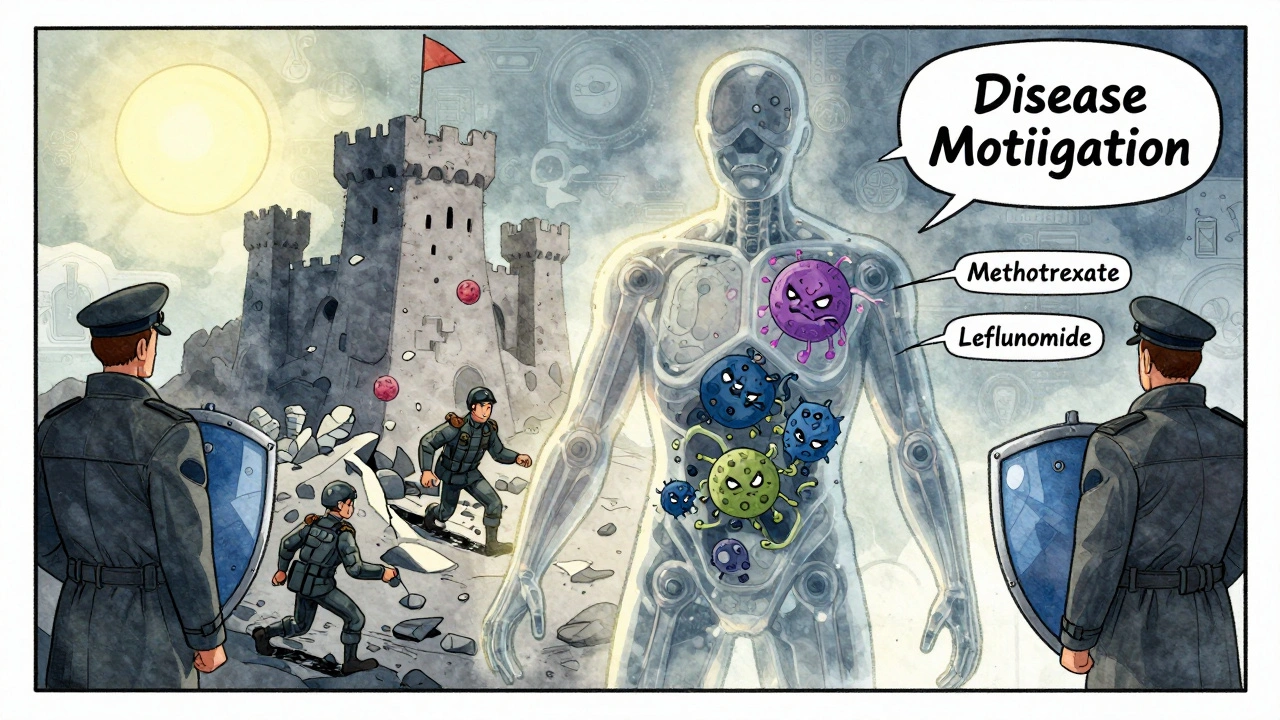
DMARDs and Biologic Medications: What You Need to Know About Immunosuppressive Therapy
DMARDs and biologic medications are cornerstone treatments for autoimmune diseases like rheumatoid arthritis. Learn how they work, their differences, risks, costs, and what to expect when starting therapy.
View More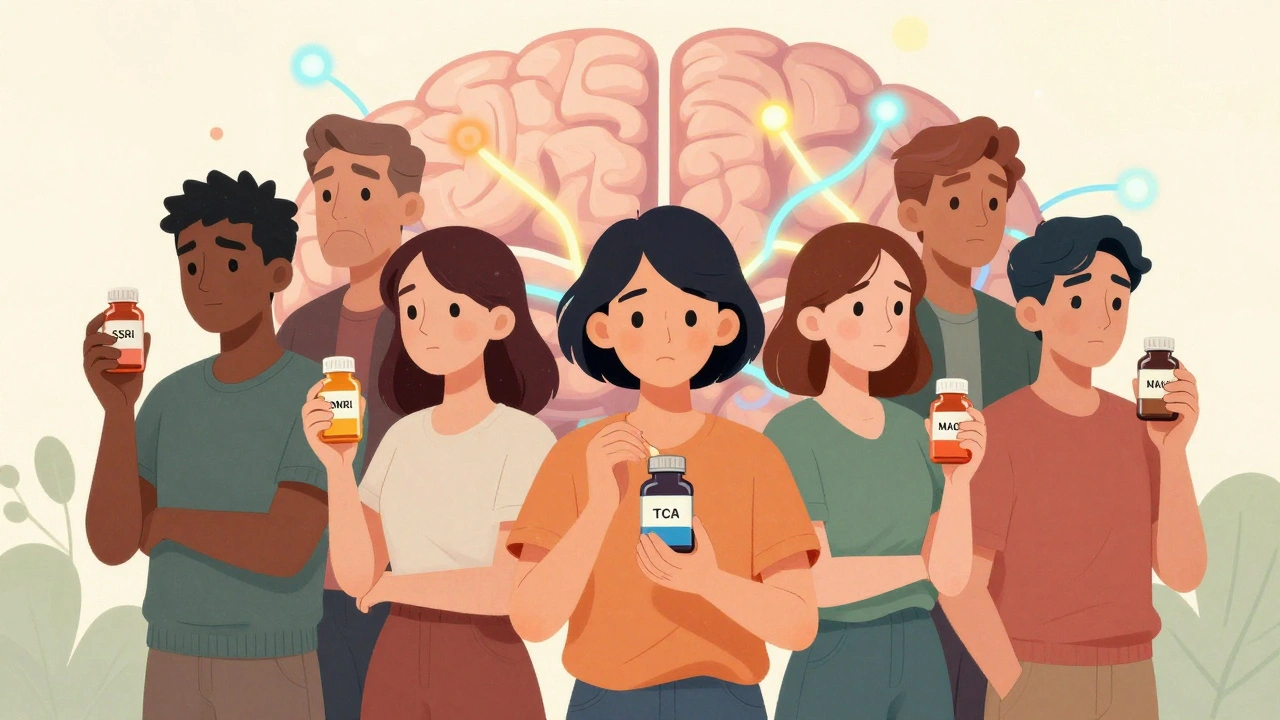
Antidepressants: Types and Safety Profiles for Patients
Antidepressants help millions manage depression and anxiety, but they come with side effects and risks. Learn the main types, how long they take to work, common side effects like weight gain and sexual dysfunction, and what to do if they don't work.
View More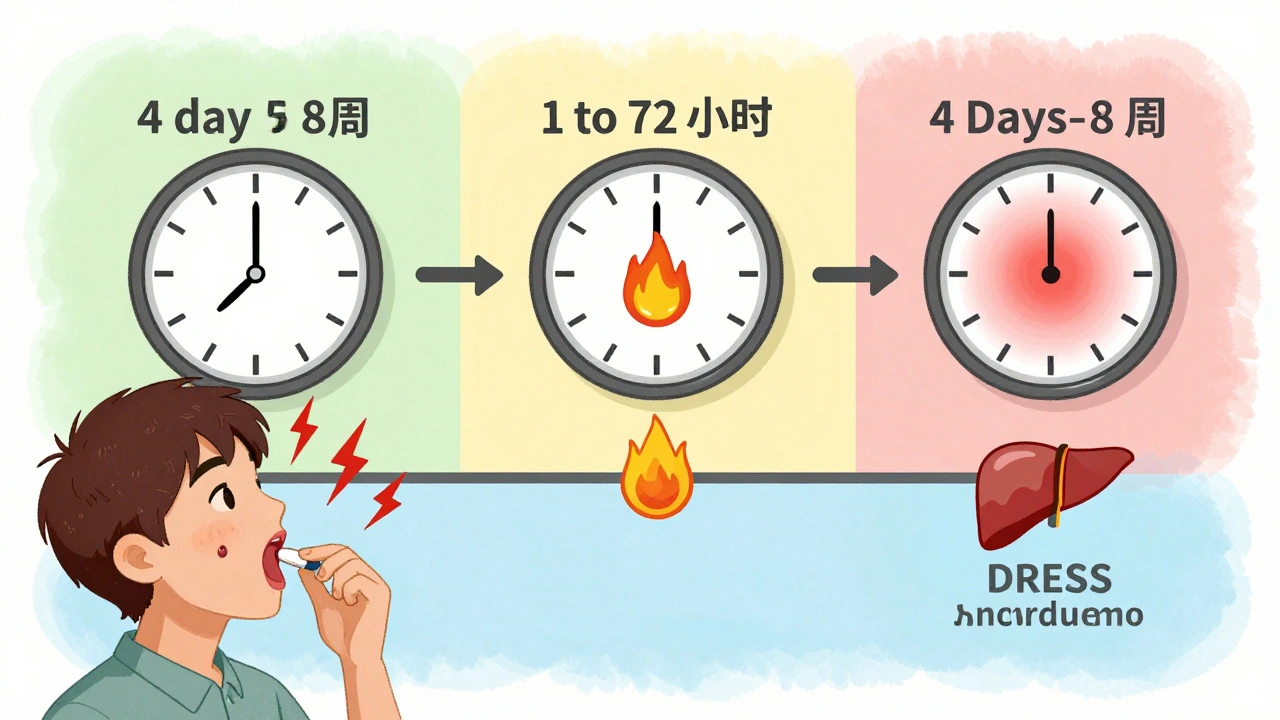
Timeline for Medication Side Effects: When Drug Reactions Typically Appear
Learn when side effects from medications typically appear-from minutes to months after taking a drug. Understand the timelines for allergic reactions, rashes, liver damage, and more to know when to act.
View More