
Medications in 2025: Key Drug Safety Topics and Treatment Trends
When it comes to medications, prescribed or over-the-counter substances used to treat, prevent, or manage health conditions. Also known as drugs, they’re meant to help—but without proper understanding, they can harm. In November 2025, we focused on the real-world risks and choices people face every day, from muscle pain from statins to memory loss from common antihistamines.
Drug interactions, when two or more medications affect each other’s action in the body, sometimes dangerously showed up in nearly every post this month. Whether it’s lithium reacting with NSAIDs, blood thinners clashing with herbal supplements, or anticholinergics worsening brain health over time, these aren’t theoretical concerns. They’re why people end up in the ER. We broke down which combinations to watch for, what symptoms mean trouble, and when to call your doctor—no jargon, just clear signs you can act on.
Statin side effects, muscle pain, liver stress, and metabolic changes linked to cholesterol-lowering drugs were another big theme. Not all statins are the same. Hydrophilic ones like pravastatin stay mostly in the blood, while lipophilic ones like simvastatin dive into muscle tissue—this tiny difference changes your risk of pain. We explained how to talk to your doctor about which type fits your body, not just your numbers.
Then there’s anticholinergics, a class of drugs that block acetylcholine, a brain chemical critical for memory and muscle control. You’ve probably taken one—Benadryl for sleep, oxybutynin for bladder issues. But research now shows long-term use links to brain shrinkage and higher dementia risk, especially in people over 65. We didn’t just warn you—we gave you safer alternatives that work just as well.
And you can’t ignore cost. Generic drugs, lower-cost versions of brand-name medications approved by the FDA as equally safe and effective make up 90% of prescriptions today. But not all generics are created equal. For narrow therapeutic index drugs like warfarin or lithium, even tiny differences in absorption can be dangerous. We covered how the FDA and EMA enforce stricter standards for these, and why you should never assume all generics are interchangeable.
What you’ll find below isn’t a list of random articles. It’s a practical guide for anyone taking meds regularly—whether you’re managing diabetes, COPD, autoimmune liver disease, or just trying to avoid a bad reaction. We dug into real tools like epinephrine auto-injectors, CGMs for low blood sugar, and AREDS2 vitamins for eye health. We explained Medicaid’s 2025 rules so you know what’s covered and what’s not. We even looked ahead at the global generic market, because if you’re paying for meds, you should know why prices change.
These posts aren’t about scare tactics. They’re about giving you control. If you’re on a beta blocker, an anticoagulant, or a mood stabilizer—if you’ve ever wondered why your pills look different or why your doctor changed your dose—this collection answers those questions without the fluff. No marketing. No hype. Just what you need to take your meds safely, know when something’s wrong, and speak up before it’s too late.
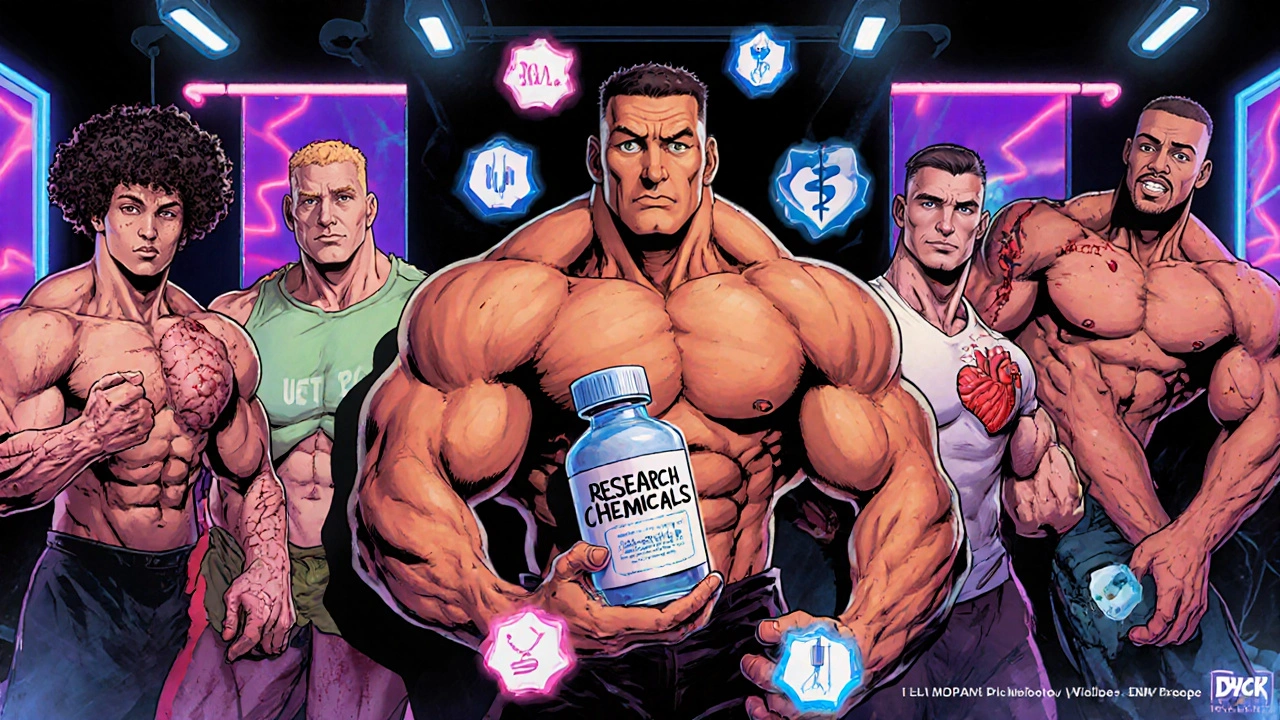
Medications and Athletes: How Performance-Enhancing Drugs Affect Health and Performance
Performance-enhancing drugs may boost muscle and strength, but they come with severe, often permanent health risks - heart damage, hormonal collapse, and irreversible side effects. Learn what athletes are really taking and why the cost far outweighs the gains.
View More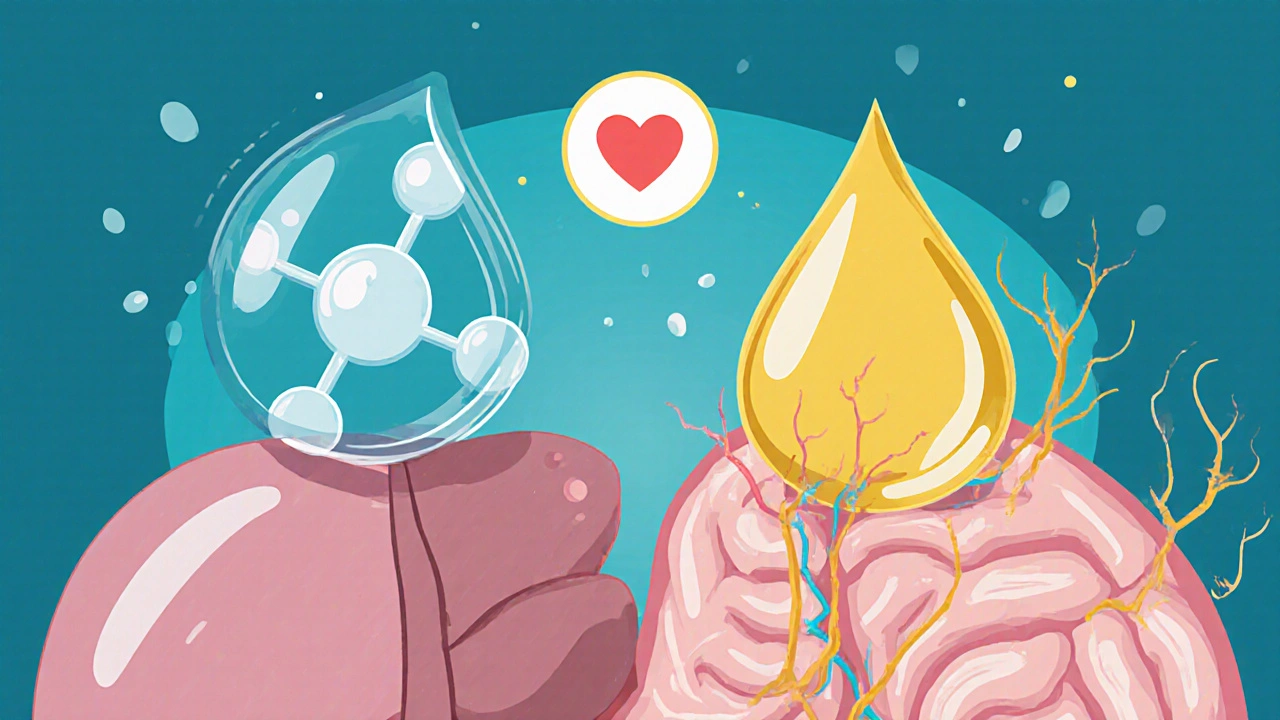
Hydrophilic vs Lipophilic Statins: What You Need to Know About Side Effects
Hydrophilic and lipophilic statins differ in how they move through your body, affecting side effects like muscle pain. Learn which factors truly matter when choosing the right statin for you.
View More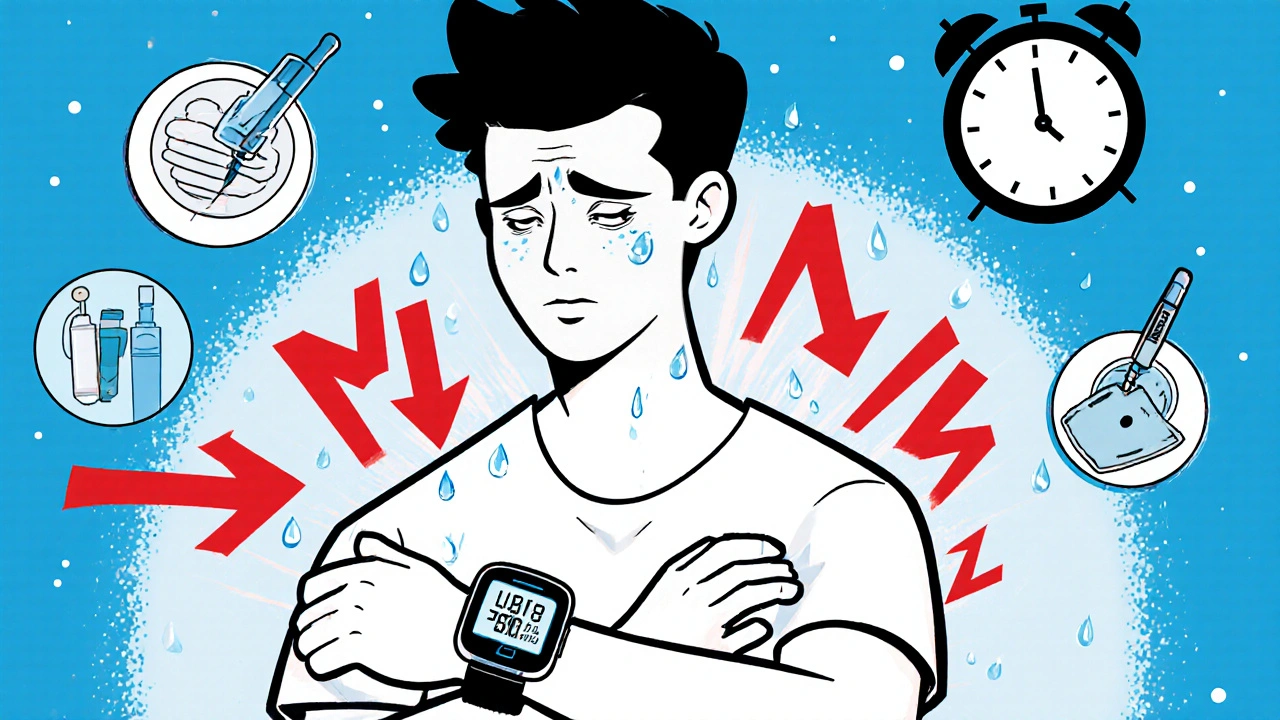
Hypoglycemia: How to Recognize, Treat, and Prevent Low Blood Sugar
Learn how to recognize, treat, and prevent low blood sugar (hypoglycemia) in people with diabetes. Understand symptoms, emergency treatment with glucose and glucagon, and modern prevention tools like CGMs.
View More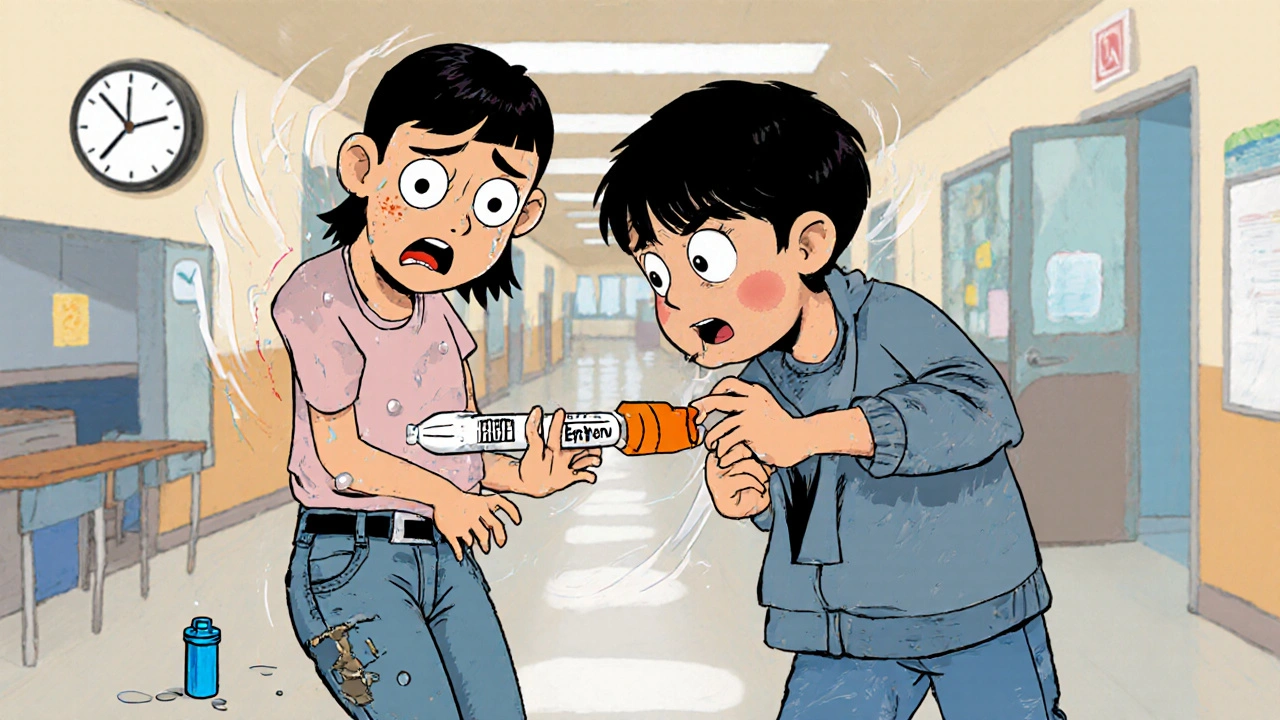
How to Use an Epinephrine Auto-Injector During an Anaphylactic Reaction
Learn how to use an epinephrine auto-injector during a life-threatening allergic reaction. Step-by-step guide for EpiPen, Auvi-Q, and other brands with tips to avoid common mistakes and save lives.
View More
Anticholinergics: How These Common Medications Affect Memory and Cause Dry Mouth
Anticholinergic medications like oxybutynin and Benadryl can cause memory loss and brain shrinkage over time, especially in older adults. Dry mouth is a common side effect - but it’s a warning sign of deeper neurological risks. Learn what drugs to avoid and safer alternatives.
View More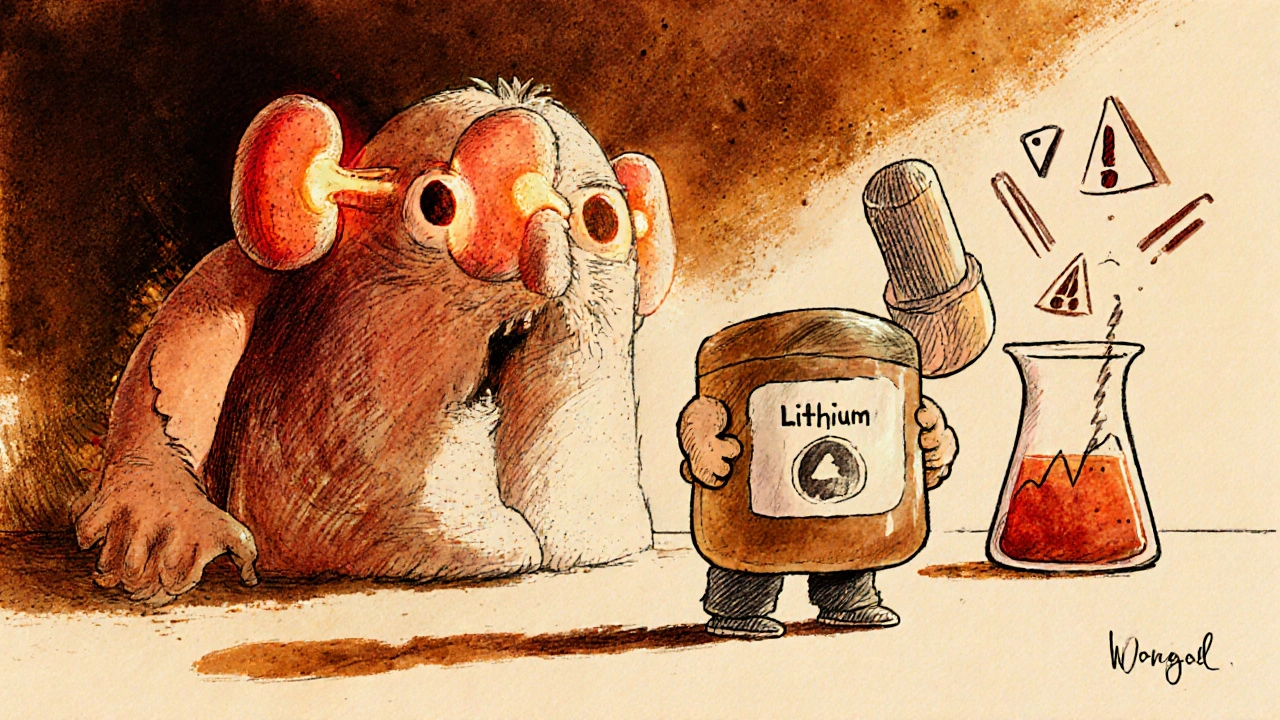
Mood Stabilizers: Lithium, Valproate, and Carbamazepine Interactions Explained
Lithium, valproate, and carbamazepine are key mood stabilizers for bipolar disorder, but their interactions can be dangerous. Learn how NSAIDs, birth control, and other drugs affect their safety and what you must do to avoid toxicity.
View More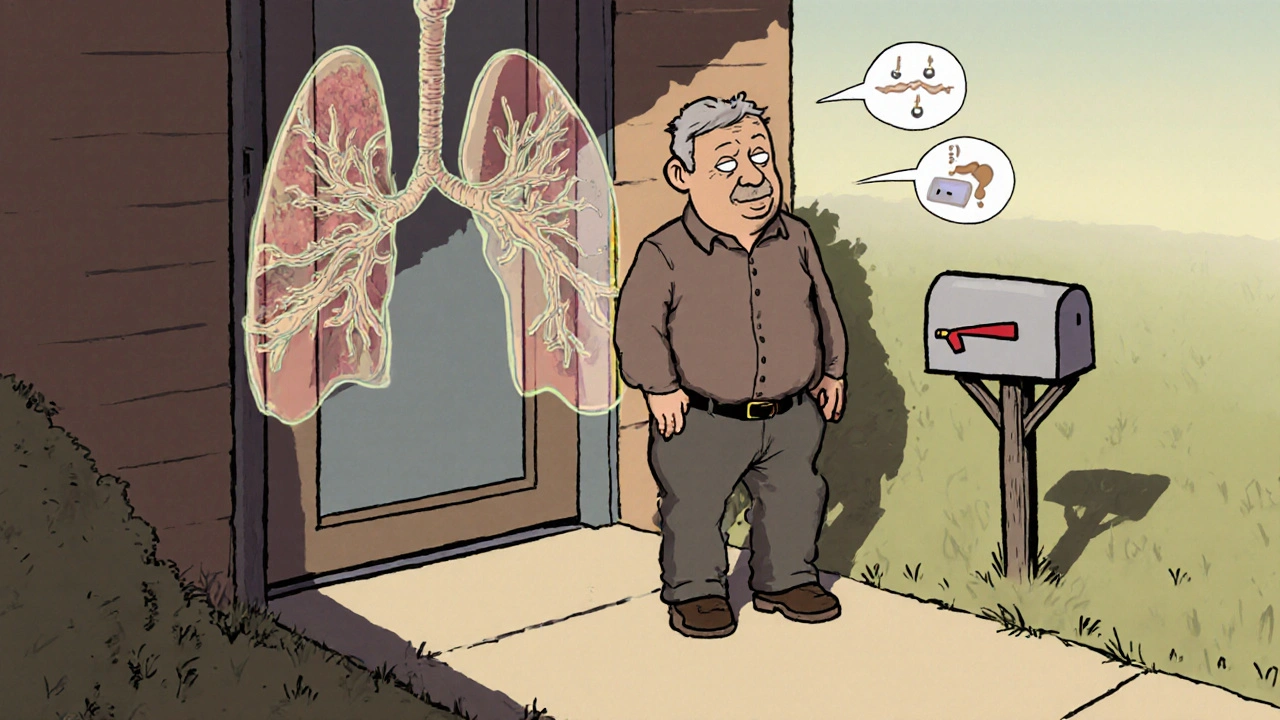
COPD Stages Explained: What Mild, Moderate, and Severe Really Mean
COPD stages range from mild to very severe, based on lung function tests like FEV1. Understanding each stage helps you act early, slow progression, and improve daily life. Know your numbers - your lungs depend on it.
View More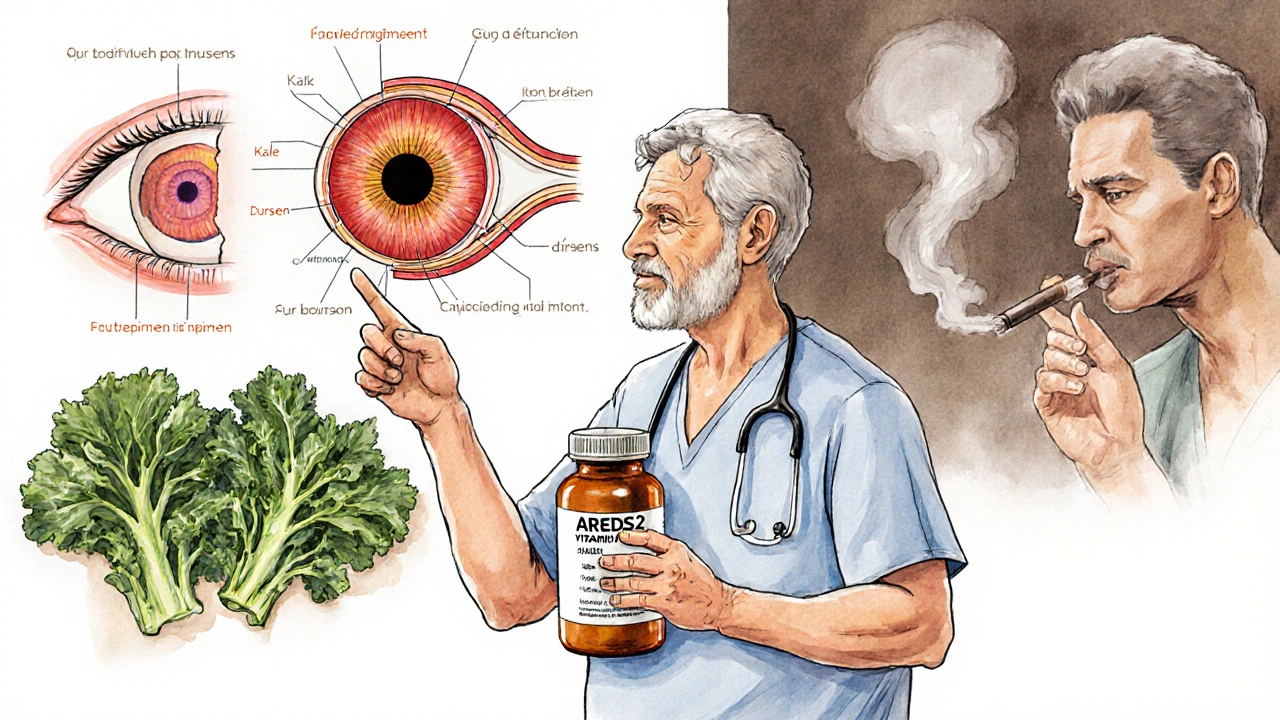
AMD Vitamins: What the AREDS2 Evidence Says and Who Should Take Them
AREDS2 vitamins are proven to slow progression of intermediate and late-stage age-related macular degeneration-but only for specific patients. Learn who should take them, who shouldn't, and what actually works for eye health.
View More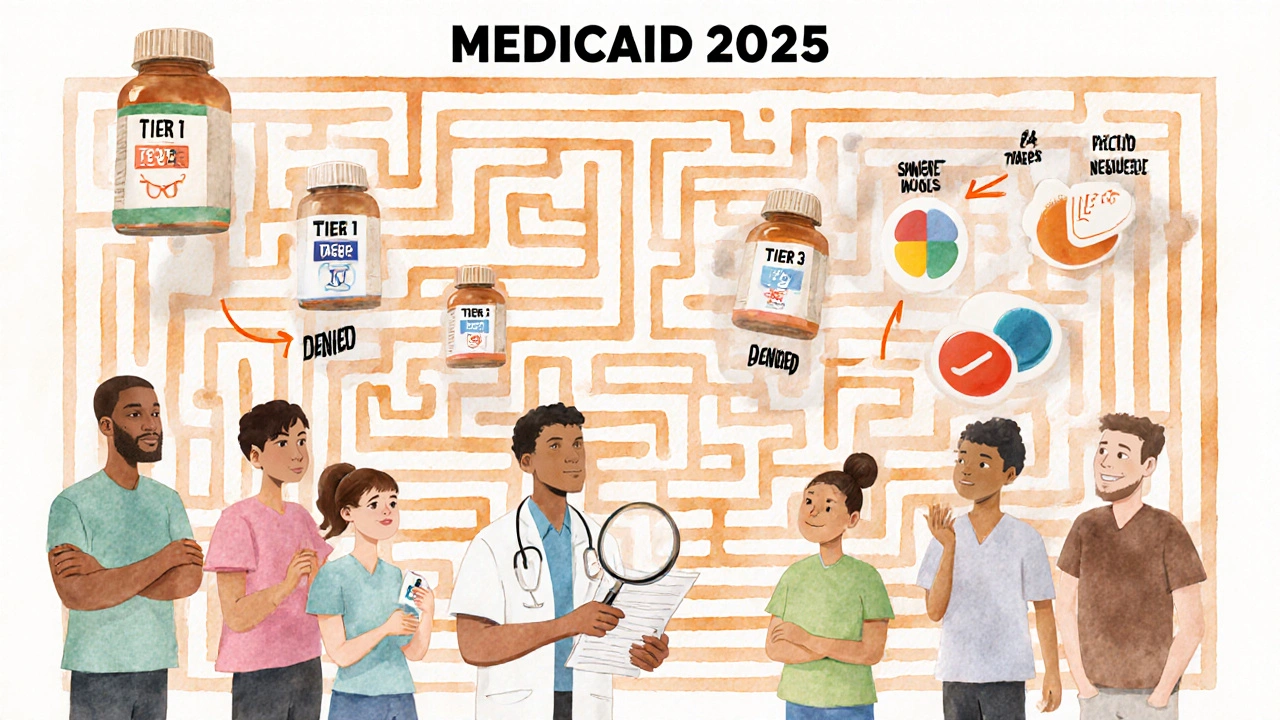
Medicaid Coverage for Prescription Medications: What’s Included in 2025
Medicaid covers most prescription drugs, but coverage varies by state. Learn how formularies, step therapy, prior authorization, and Extra Help affect your out-of-pocket costs in 2025.
View More
Urticaria: Understanding Hives, Common Triggers, and How Antihistamines Really Work
Urticaria, or hives, is a common skin condition caused by histamine release. Learn how antihistamines work, what triggers them, and what to do when they don’t help. Includes latest treatments like omalizumab and remibrutinib.
View More