
Category: Medications - Page 2
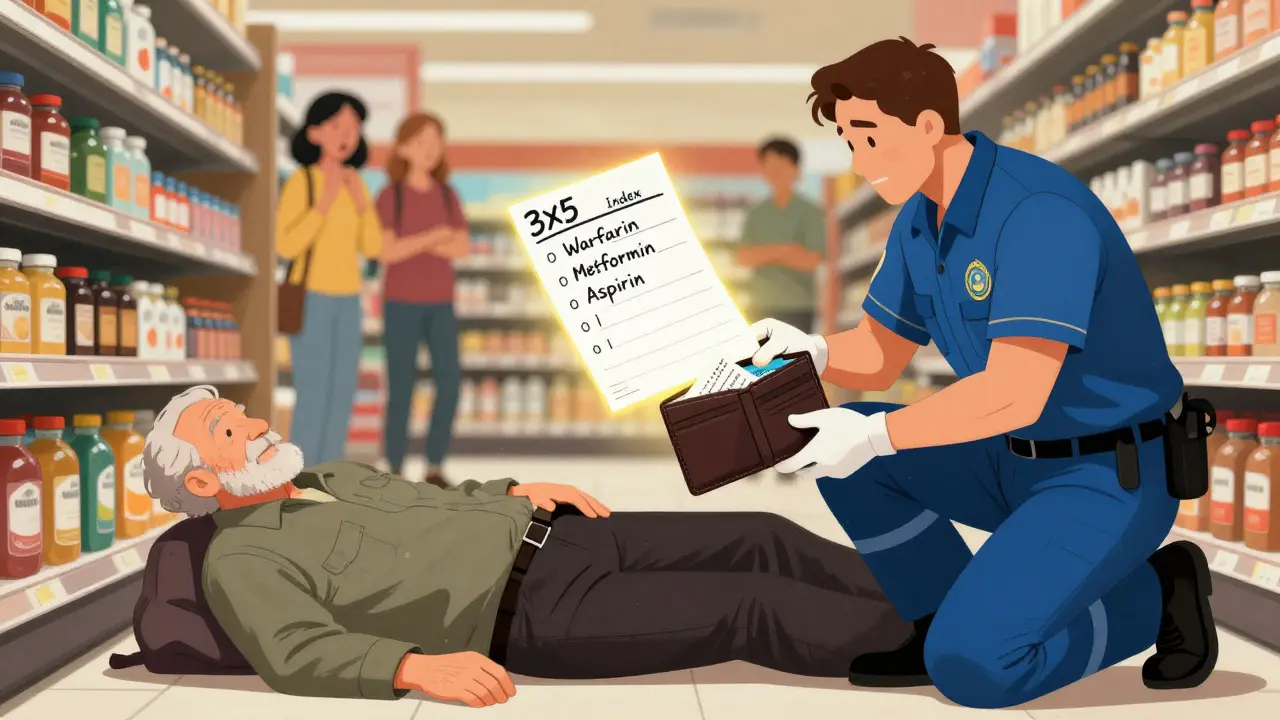
Emergency Information Card: How to Create Your Medication List for Real-World Emergencies
Create a clear, up-to-date emergency medication list to prevent dangerous drug interactions and help first responders act fast. Learn what to include, how to update it, and whether to use paper or digital formats.
View More
Driving on Opioids: Legal and Safety Risks You Can't Afford to Ignore
Driving on opioids-even when prescribed-is illegal and dangerous. Learn how these medications affect your driving, the legal risks in every state, and what you must do to stay safe and avoid a DUI.
View More
Managing Different Doses in Combination Products: Therapeutic Equivalents Explained
Therapeutic equivalence in combination drugs ensures safe substitutions, but different doses and formulations can lead to unexpected outcomes. Learn how the FDA rates these products and how to avoid dangerous errors.
View More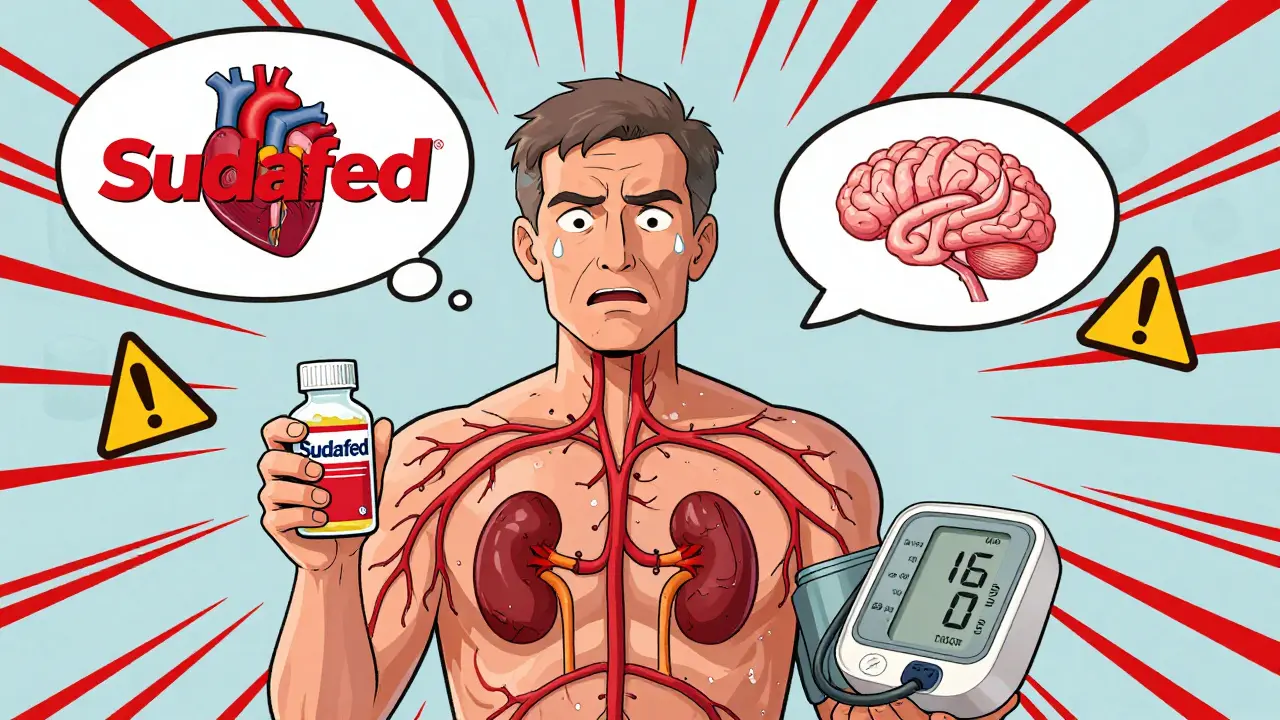
Nasal Decongestants and Blood Pressure Medications: What You Need to Know
Nasal decongestants can dangerously raise blood pressure in people taking hypertension meds. Learn which ingredients to avoid, safe alternatives, and how to protect your heart.
View More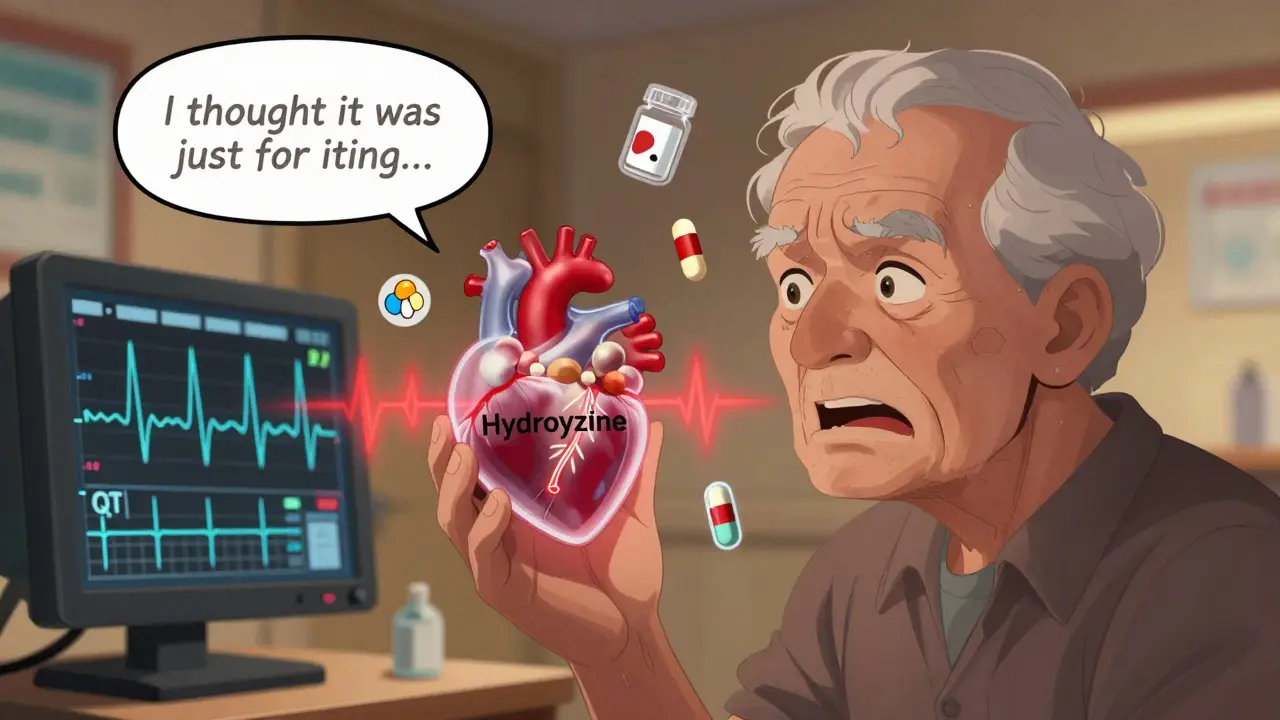
Hydroxyzine and QT Prolongation: What You Need to Know About the Cardiac Risk
Hydroxyzine can cause dangerous heart rhythm changes, especially in older adults or those on other medications. Learn the real risks, who's most vulnerable, and what to do if you're taking it.
View More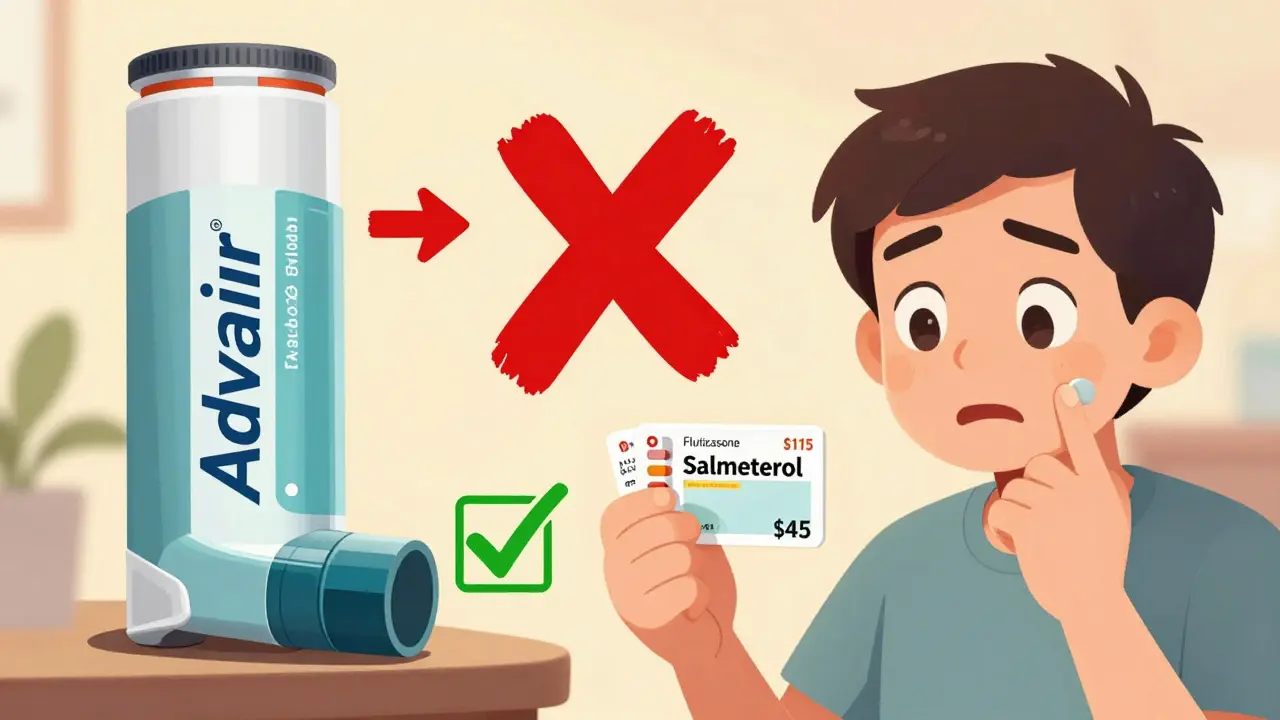
How Generic Combinations Save Money: Comparing Individual Generics vs. Combination Drugs
Generic combination drugs may seem convenient, but they’re not always the cheapest. Comparing individual generics can save you hundreds a year. Here’s how to spot the real savings.
View More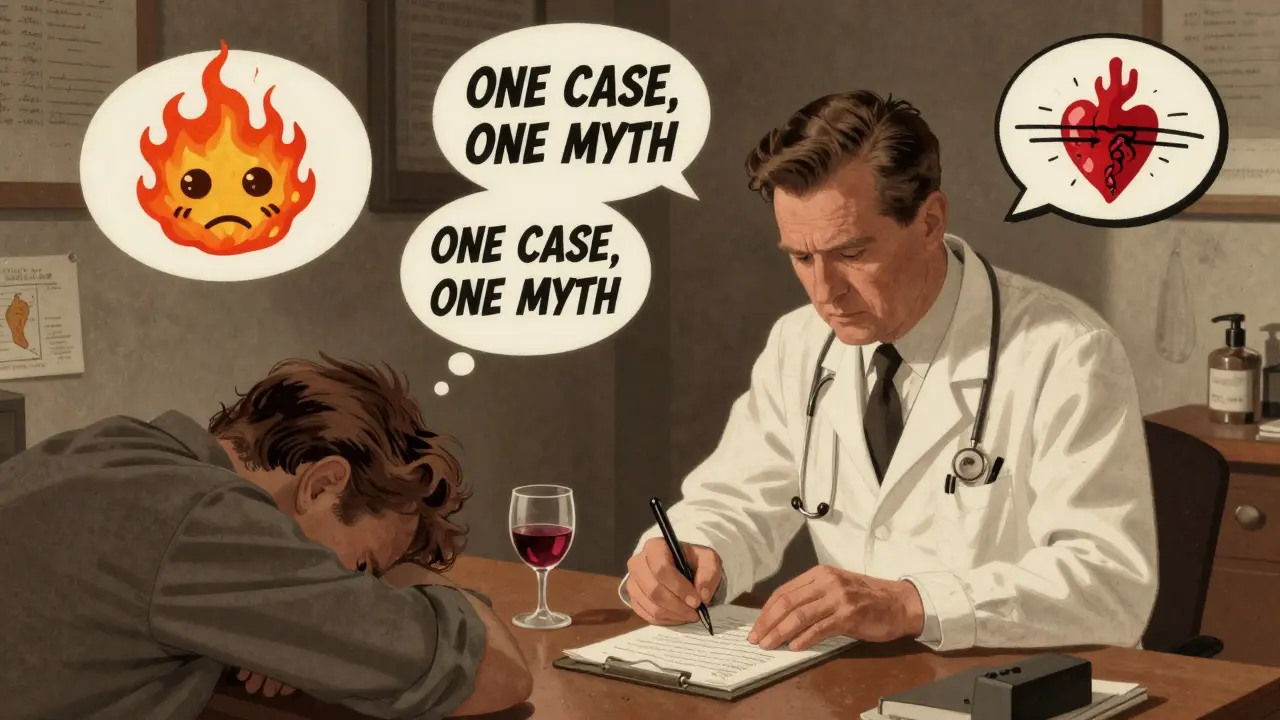
Metronidazole and Alcohol: What Really Happens When You Mix Them
Metronidazole and alcohol were long thought to cause a dangerous reaction - but new research shows it's likely a myth. Learn what really happens when you mix them, and why the old warning may be outdated.
View More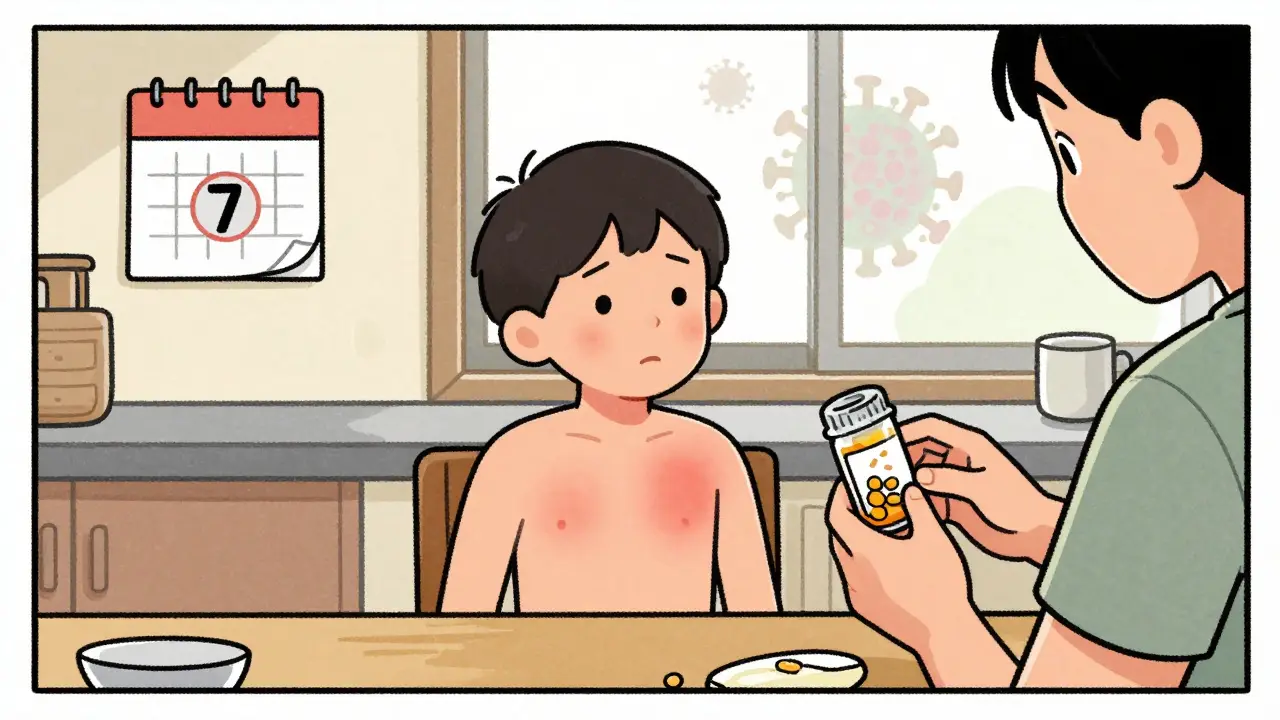
Antibiotic Rashes: When to Stop the Drug and Call the Doctor
Most antibiotic rashes aren't allergies-stopping the drug can make things worse. Learn how to tell the difference between harmless rashes and dangerous reactions, and what to do next.
View More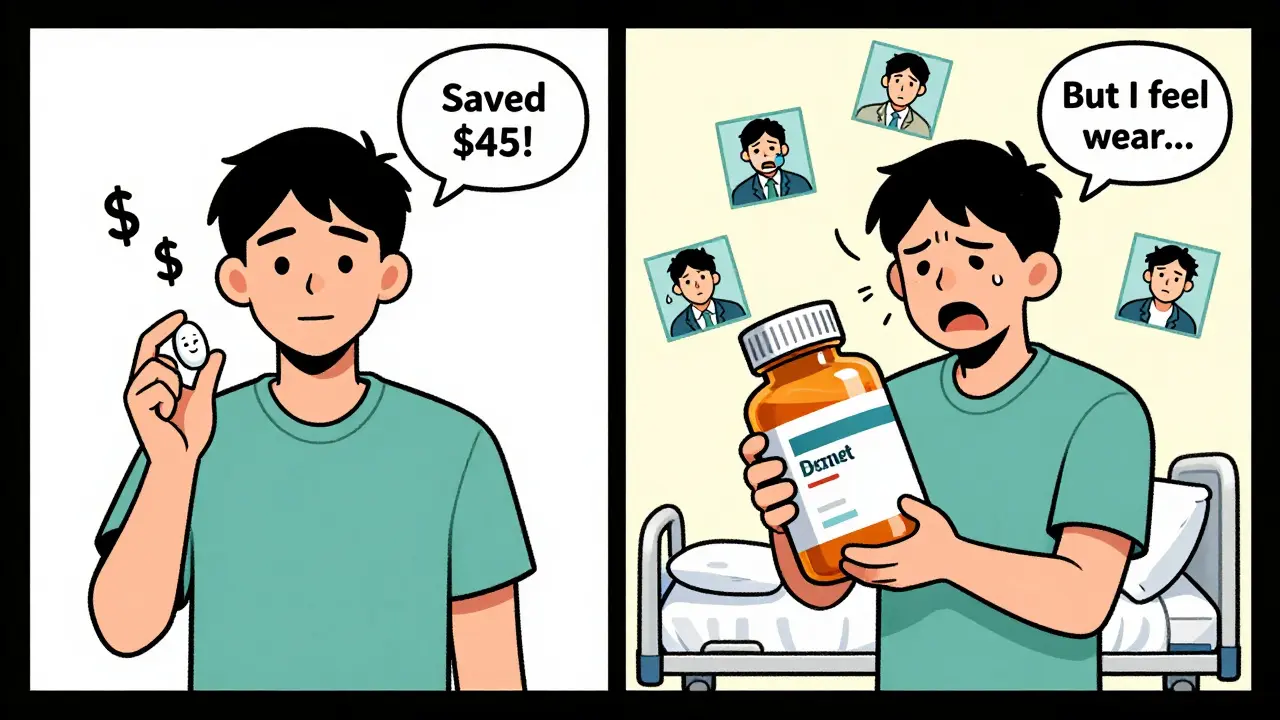
Outcomes Economics: The Real Cost-Benefit of Using Generic Medications
Generic medications save billions in healthcare costs, but their real value goes beyond price. HEOR reveals how generics improve adherence, reduce hospitalizations, and enhance long-term outcomes - when used correctly.
View More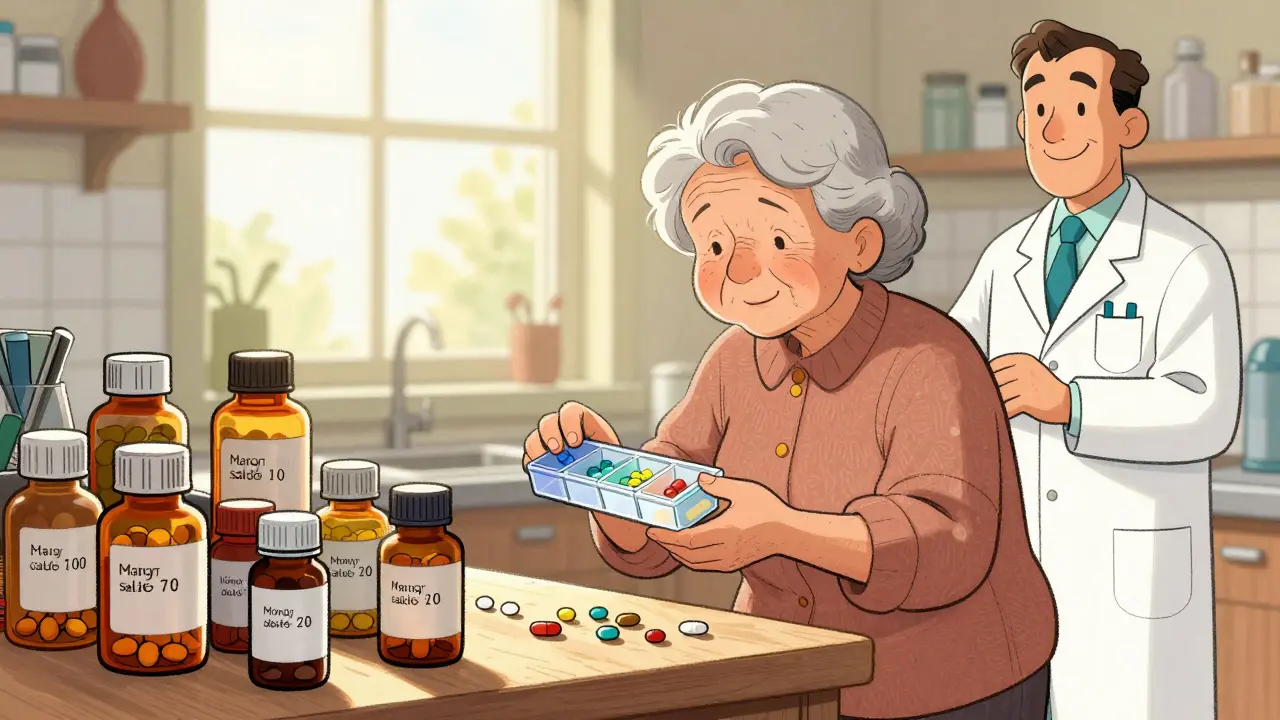
How to Simplify Complex Medication Regimens with Fewer Daily Doses
Simplify complex medication regimens by reducing daily doses through fixed-dose combinations, once-daily formulations, and synchronized refills. Learn how to improve adherence without compromising health outcomes.
View More