
Category: Medications - Page 3
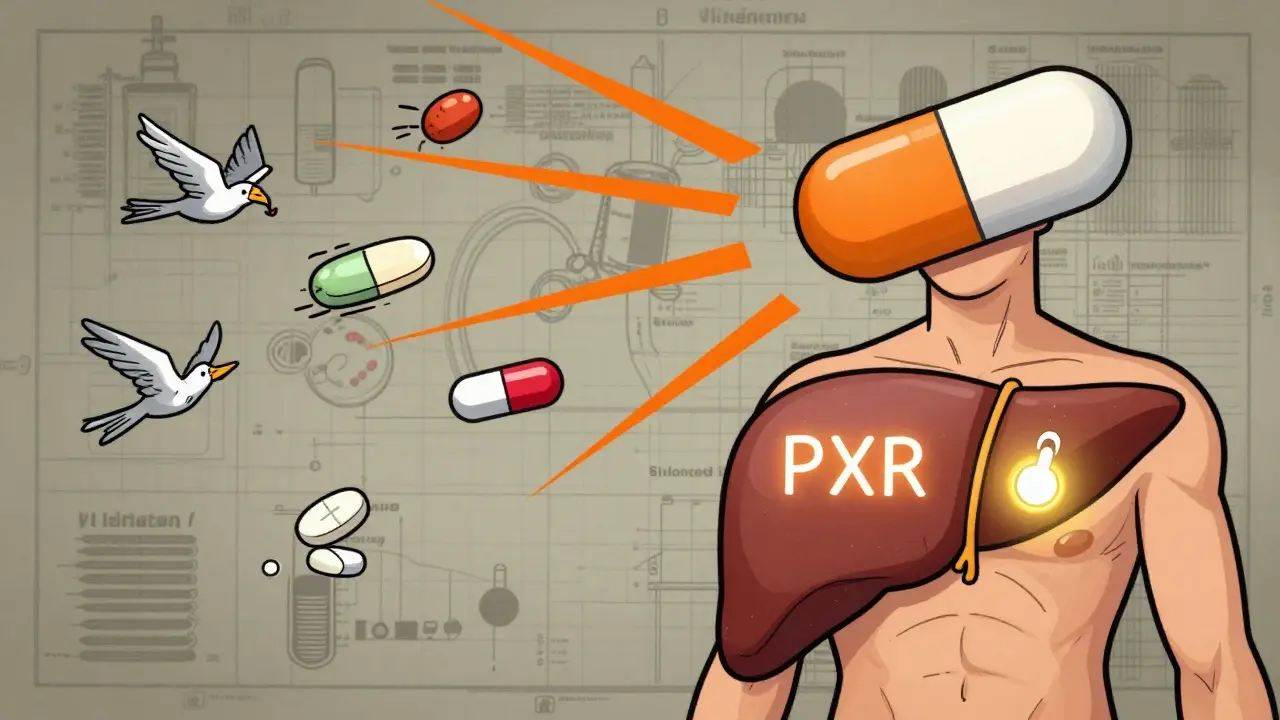
Tuberculosis Medications: Rifampin Induction and Multiple Drug Interactions
Rifampin is essential for treating tuberculosis but causes dangerous drug interactions by boosting liver enzymes. It can render birth control, blood thinners, and HIV meds ineffective. Learn how to manage risks and why treatment lasts six months.
View More
What Are Drug Interactions and Why They Matter for Medication Safety
Drug interactions can make medications dangerous or ineffective, causing thousands of hospitalizations and deaths each year. Learn how they happen, who's at risk, and what you can do to stay safe.
View More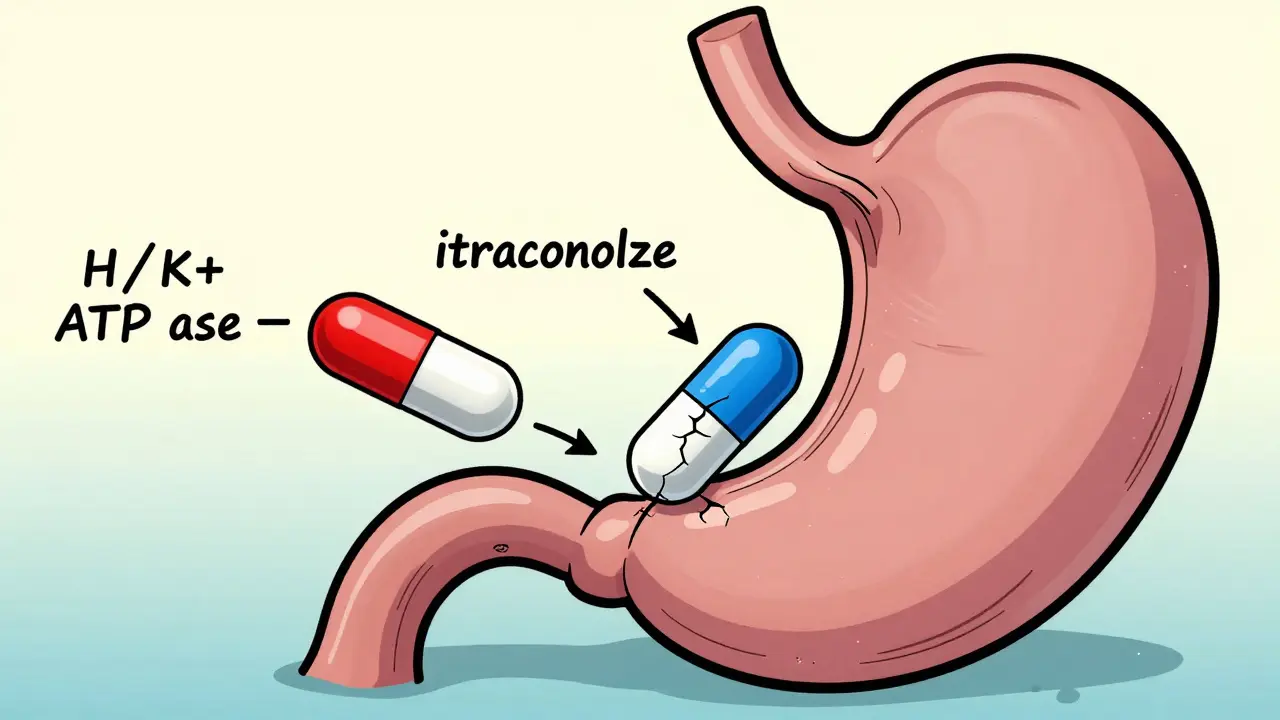
Proton Pump Inhibitors and Antifungals: How They Interfere with Absorption
Proton pump inhibitors can block absorption of key antifungals like itraconazole, leading to treatment failure. Learn which antifungals are affected, how to avoid dangerous interactions, and what new options are available.
View More
Protease Inhibitors and St. John’s Wort: Why This Herbal Mix Can Cause HIV Treatment Failure
St. John’s Wort can crash HIV protease inhibitor levels by up to 80%, leading to treatment failure and drug resistance. Learn why this interaction is deadly-and what safer alternatives exist.
View More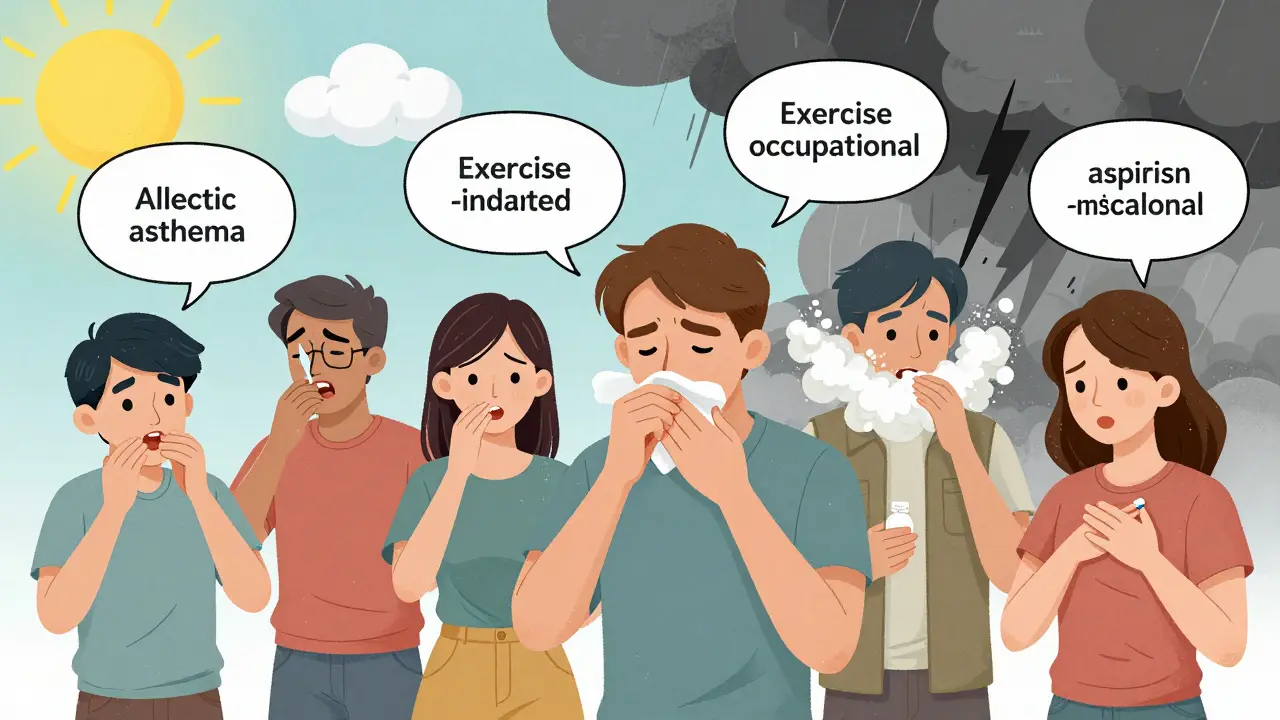
Asthma Basics: Types, Triggers, and Inhalers vs. Oral Medications
Learn the key types of asthma, common triggers, and why inhalers are the preferred treatment over oral medications. Understand how to manage asthma safely and effectively with current guidelines.
View More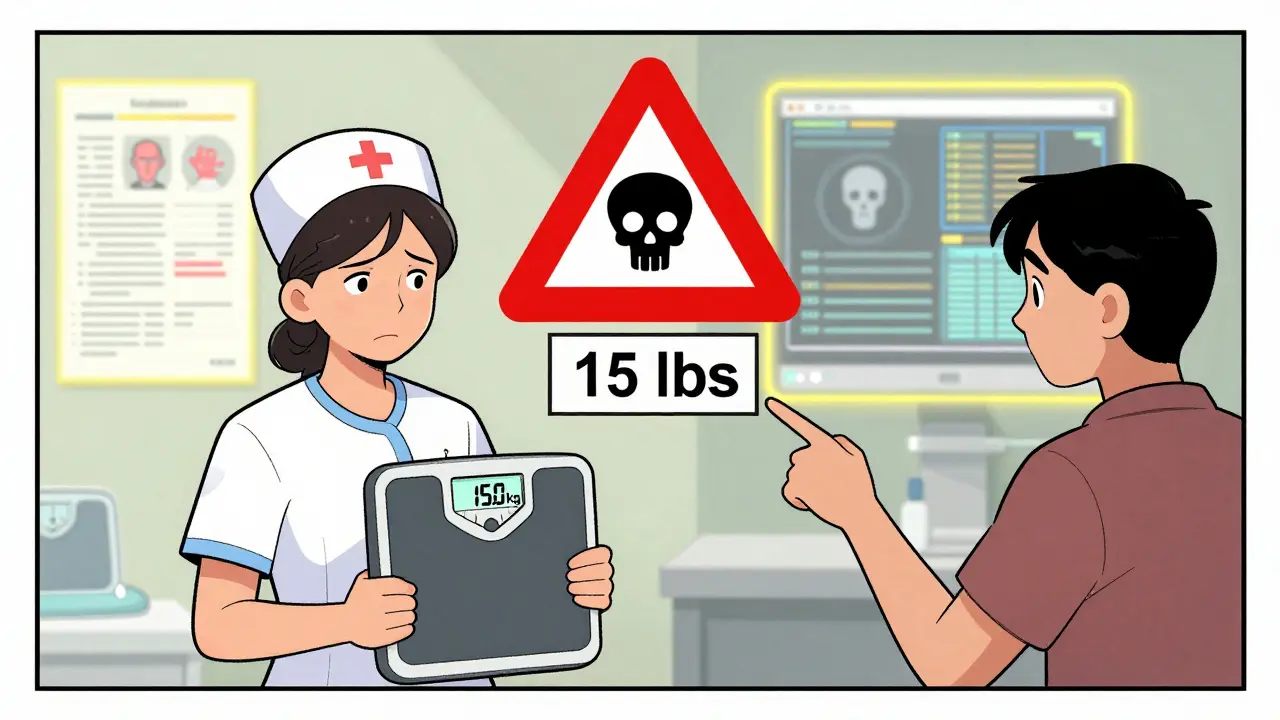
How to Prevent Pediatric Dispensing Errors with Weight-Based Checks
Pediatric medication errors often stem from weight-based dosing mistakes. Learn how mandatory weight verification in EHRs, pharmacy checks, and bedside scans can cut errors by over 80% - and what to do if your system isn't set up yet.
View More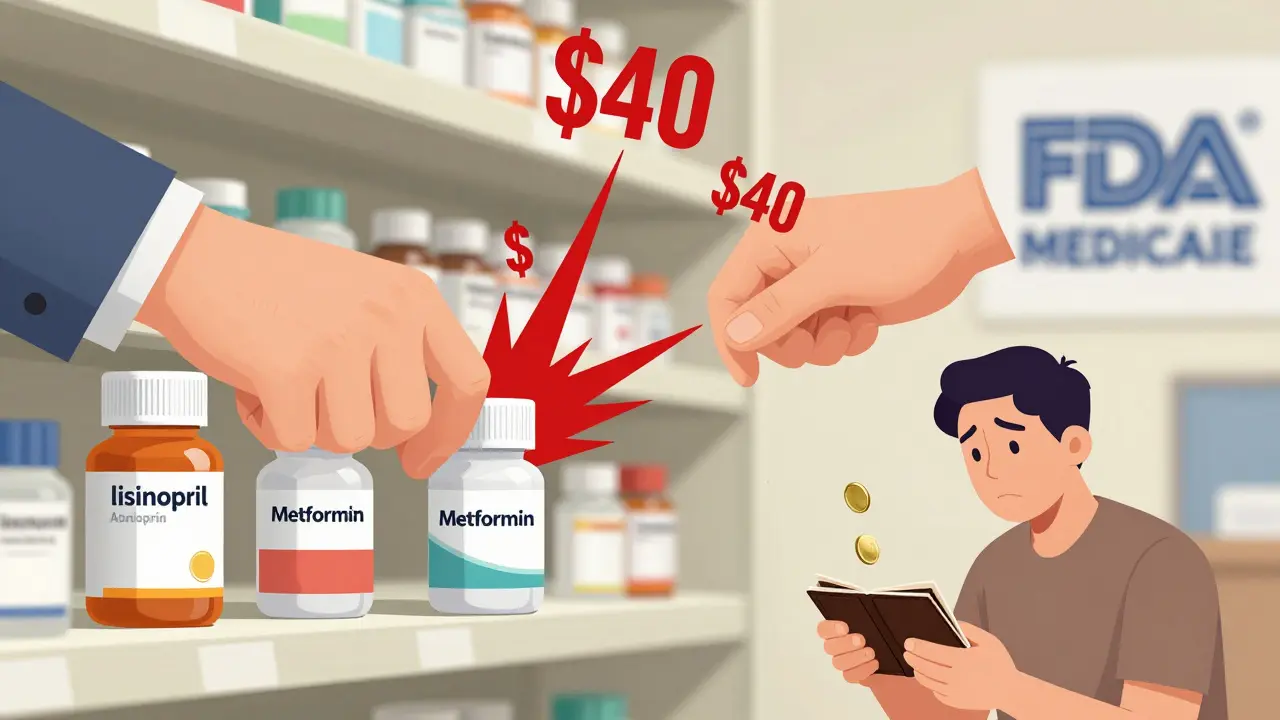
How Government Controls Generic Drug Prices in the U.S. - What You Pay and Why
Government doesn't set generic drug prices directly, but through Medicaid rebates, 340B discounts, and Medicare negotiation, it's reshaping how much you pay. Here's how it works in 2026.
View More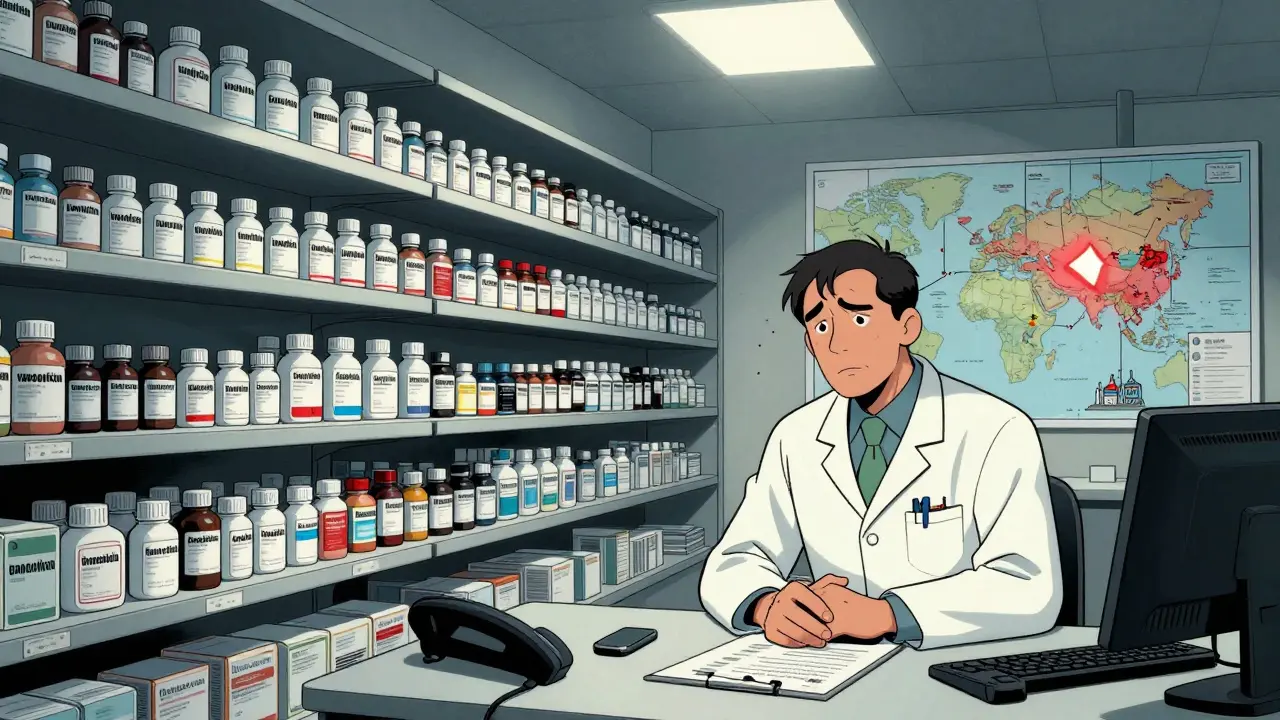
Generic Drug Shortages: Causes and How They Limit Patient Access
Generic drug shortages are rising in the U.S., threatening patient access to essential medicines. Causes include low profit margins, foreign supply dependence, and manufacturing consolidation-leading to treatment delays, higher costs, and safety risks.
View More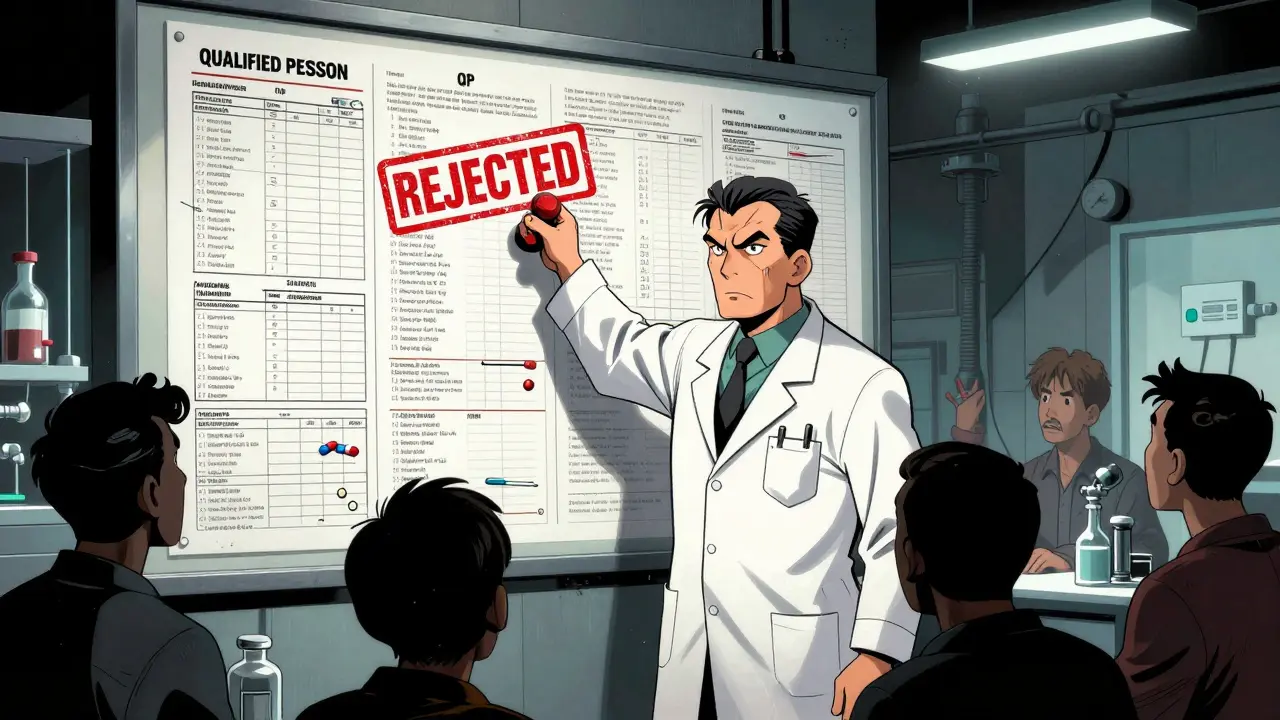
Batch Release Testing: Final Checks Before Pharmaceutical Distribution
Batch release testing is the final, mandatory quality check that ensures every pharmaceutical batch meets safety and efficacy standards before reaching patients. It prevents recalls, protects public health, and remains non-negotiable in global drug manufacturing.
View More
Clinical Studies on Generic Drug Efficacy: What the Research Really Shows
Clinical studies show generic drugs are just as effective as brand-name versions for most people. Learn what the research says about bioequivalence, rare exceptions, and when to stick with one brand.
View More